Campaign to overcome Russian propaganda
#AgainstRussianLies
challenge
Russia's hybrid war threatens global democracy
Fakes and disinformation are among Russia's main tools against Ukraine and its partners. Social media, where 76% of Ukrainians receive their news, is an especially active domain. At the same time, more than 20% of citizens who are aware of disinformation materials cannot distinguish them from real news.
Anonymous groups and Telegram channels are not accountable to the law, creating a large space for Russian information operations. The goal of the enemy's propaganda is to divide Ukrainian society morally and then destroy it on the frontline.
The impact of Russian disinformation on Ukrainians and residents of other European countries has been both immediate and long-lasting. Russia's hybrid warfare has already damaged the development of global democracy for decades to come. Moscow and its agents work every day to create harmful long-term narratives. They target vulnerabilities in European societies, such as immigration and energy dependence, while pushing their agenda in Ukraine.
solutions
Russian lies under the spotlight of truth
To combat the influx of disinformation, we enlisted the support of the DT Institute and our partners from VoxUkraine and the European Values Centre. These organizations analyzed the information field and identified key Kremlin messages. Based on their findings, we developed 313 counter-narratives which refute disinformation and convey true facts. Among other things, they are aimed at countering the following themses of Russian propaganda:
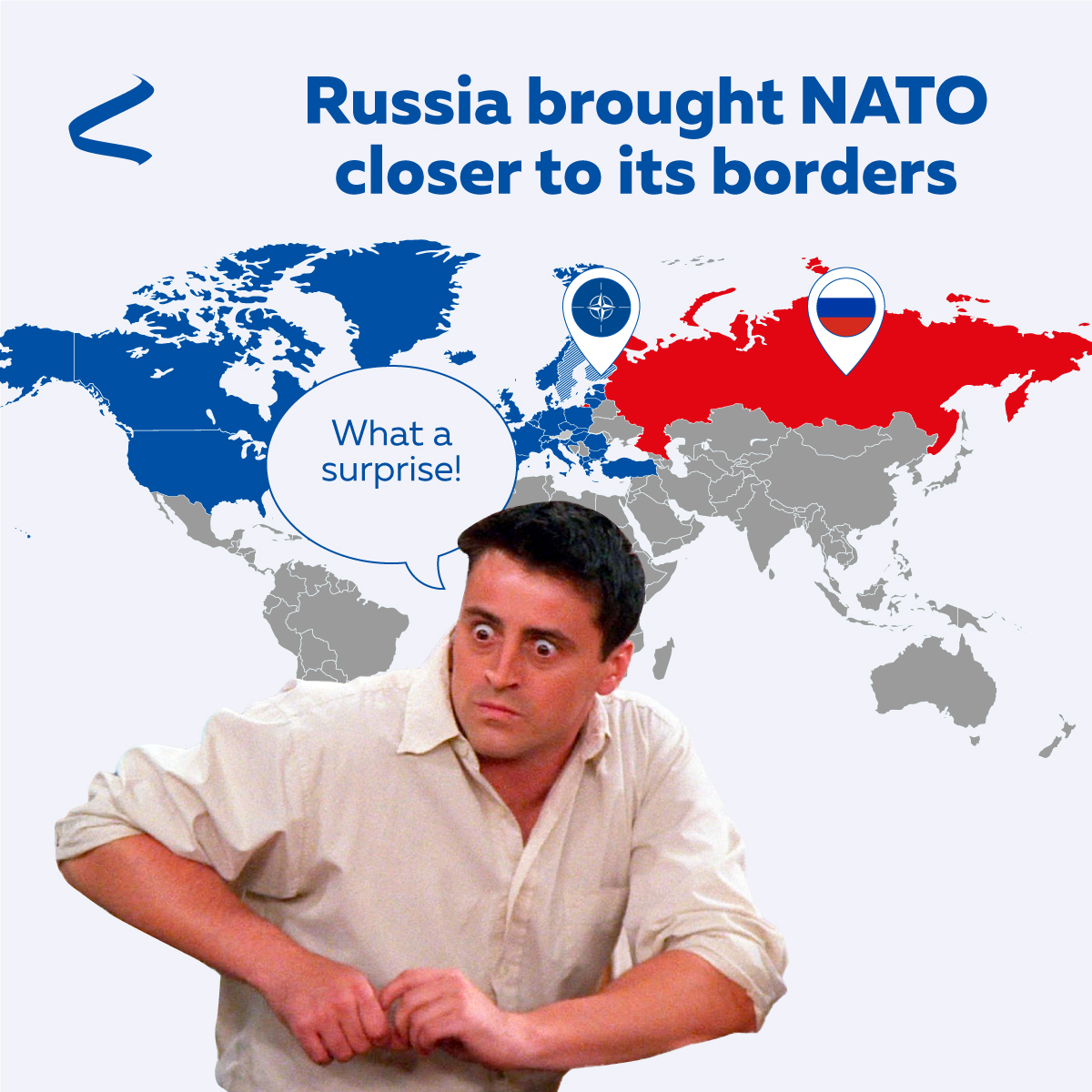
- denial of Ukraine's existence and 'defense' against 'Ukrainian Nazis, fascists, and neo-Nazis';
- fabrications about attacks on Russian sovereignty: 'Russia is defending itself,' 'NATO's war machine is approaching Russia's borders;'
- 'threat' from Ukrainian refugees and 'Ukraine fatigue' around the world;
- problems with military assistance to Ukraine: 'Weapons are being stolen,' 'military aid is exacerbating the conflict,' 'military aid is weakening the countries that provide it;'
- Russian 'successes' at the front: 'Everything is going according to Moscow's plan;'
- threats of nuclear weaponry.
Our team created a number of media products based on our counter-narratives to these and other messages. In particular, we recorded 14 podcasts for UkraineWorld.org, Internews Ukraine's multimedia news and analysis platform. We discussed countering Russia with respected experts including writer Jonathan Littell, philosopher Jason Stanely, and poet Yaroslava Chornohuz. The podcasts were recorded in English to reach international audiences that are also influenced by Russian propaganda.
We used infographics, text posts, and video displays to quickly debunk false narratives on social media, sharing them with the hashtag #AgainstRussianLies. The team published informative TikTok videos on the his.facts channel to reach the Russian-speaking population of Ukraine and other countries.
We also brought ten influencers to join the fight against Kremlin narratives. Ukrainian singer Jamala spoke about Ukrainian resistance in Crimea on the anniversary of the peninsula's occupation. Sports blogger Dmytro Povorozniuk drew attention to the victories of Ukrainian athletes in competition abroad and the losses of Ukrainian athletes to Russian aggression. Blogger Tatiana Firley shared a video about Russianisms in the Ukrainian language. Journalist Daria Hirna documented how the Russians are destroying Ukrainian identity in the occupied territories.
We also worked with hromadske.ua to create a media literacy test that is available to everyone.
result
The art of countering disinformation for 11 million people
Over the course of the project, we published 442 stories debunking Russian propaganda and shedding light on the facts. Together, they received more than 11,400,000 impressions and a strong audience response. Here are just a few examples:
- Our video about rebuilding Ukrainian schools, created in collaboration with blogger Olena Svitlytska, was viewed 965,000 times;
- Our online media literacy test reached 567,863 users;
- UkraineWorld's podcast with Portuguese politician Bruno Maçães received over 11,300 listens;
- Our video on the support of Ukraine by world democracies received 57,000 views.
However, Moscow's propaganda machine is working every day to deceive and misdirect Ukrainians and citizens of other countries. The fight against Russian disinformation must not stop, so Internews Ukraine will keep up its work to debunk Russian fakes.
Events and News
Russian Propagandists Must Be Held Accountable for Their Crimes Against Ukraine
Investigated the impact of Russian propaganda on the world-view of Russians, including servicemen.
Antibot: How to Expose Information Manipulation?
16–18 березня у Києві відбудеться тренінг «Антибот: як викривати інформаційні маніпуляції». Участь безкоштовна.
Related projects

RE-VISION OF HISTORY
A book that analyzes key narratives of Russian historical propaganda about Ukraine and gives a response to them. Available in Ukrainian and English. A successful large-scale online campaign to debunk the Kremlin's fakes about the past.