
Support Programs for Regional Media in 2024
High-Quality Media — Thriving Communities
challenge
Regional media need resources to amplify their impact
The full-scale Russian invasion and its consequences have significantly affected Ukraine's media landscape. In 2022, trust in both national and local online media increased. Regional journalists were the first to cover events on the ground and served as a reliable source for displaced people who wanted to stay informed about what was happening back home.
Through 2024, local media had maintained their position of trust. Over 60% of Ukrainians followed regional pages or channels on social media. Meanwhile, 52% obtained information from local news websites, and 48% watched local TV channels. These figures indicate that regional media have the potential to become highly influential.
However, regional media must continue developing to fully realize their potential and positively impact communities, particularly in the genres of journalism for change and solutions journalism. Journalism for change focuses on creating impact through public awareness, while solutions journalism highlights concrete approaches to addressing specific problems.
Working in both genres requires a high level of professional skill. Particularly important are the abilities to attract funding, leverage modern formats, and adhere to digital security standards — especially since Russian hackers targeted Ukrainian media several times in 2024. To enhance their abilities, journalists often turn to Ukrainian and international partners for support.
solution
Expert and Financial Support for Local Media
With the support of the Media Program in Ukraine, we implemented projects to assist regional media. Our goal was to strengthen their role in their communities, improve content quality, and enhance the professionalism of their teams.
Consultations from Professionals and Scholarships
As part of the "Journalism for Change" program, we organized a series of consultations for 100 journalists and media managers from 40 regional newsrooms. Participants were instructed on improving working conditions, ensuring financial stability, and increasing the social impact of their work.
The following experts shared their experiences:
- Tetiana Troshchynska, Director of Strategic Analysis and Development of Socially Influential Content at UA:PBC (Public Broadcasting of Ukraine);
- Taras Prokopyshyn, Founder of The Ukrainians Media;
- Marichka Paplauskaite, Editor-in-Chief of Reporters magazine, among others.
The media outlets which received support created 480 scholarship-supported pieces highlighting issues faced by their communities. They also participated in the study "Regional Media of Ukraine in the Third Year of Full-Scale War."
Key Findings from the Survey:
- 80% of media outlets need new sources of funding beyond grant support to ensure their development and hire staff.
- 57.5% of respondents do not feel any restrictions on freedom of speech in Ukraine, and 80% can work freely.
- 90% of media outlets use the news format.
- 97.5% have social media accounts, with Facebook generating the most traffic.
- Only 5% of newsrooms have fully staffed teams.
Support for Journalists through Solutions Journalism
Journalists also received support through our program for creating solutions journalism materials. A total of 82 journalists, including 31 from frontline areas, attended a webinar on the basics of this genre. Among them, 24 received scholarships and worked with mentors to create 50 pieces on sustainable solutions for Ukraine's development.
Digital Security for Media
To enhance digital security for media professionals, we organized a series of events called Cyber Security Talks, including two webinars and a three-day workshop. Sixty participants joined, including activists and journalists from displaced media outlets and frontline areas.
Participants learned about cybersecurity challenges, methods for protection against cyberattacks, safe practices for journalists in the digital space, and how to develop a digital security policy for their organizations.
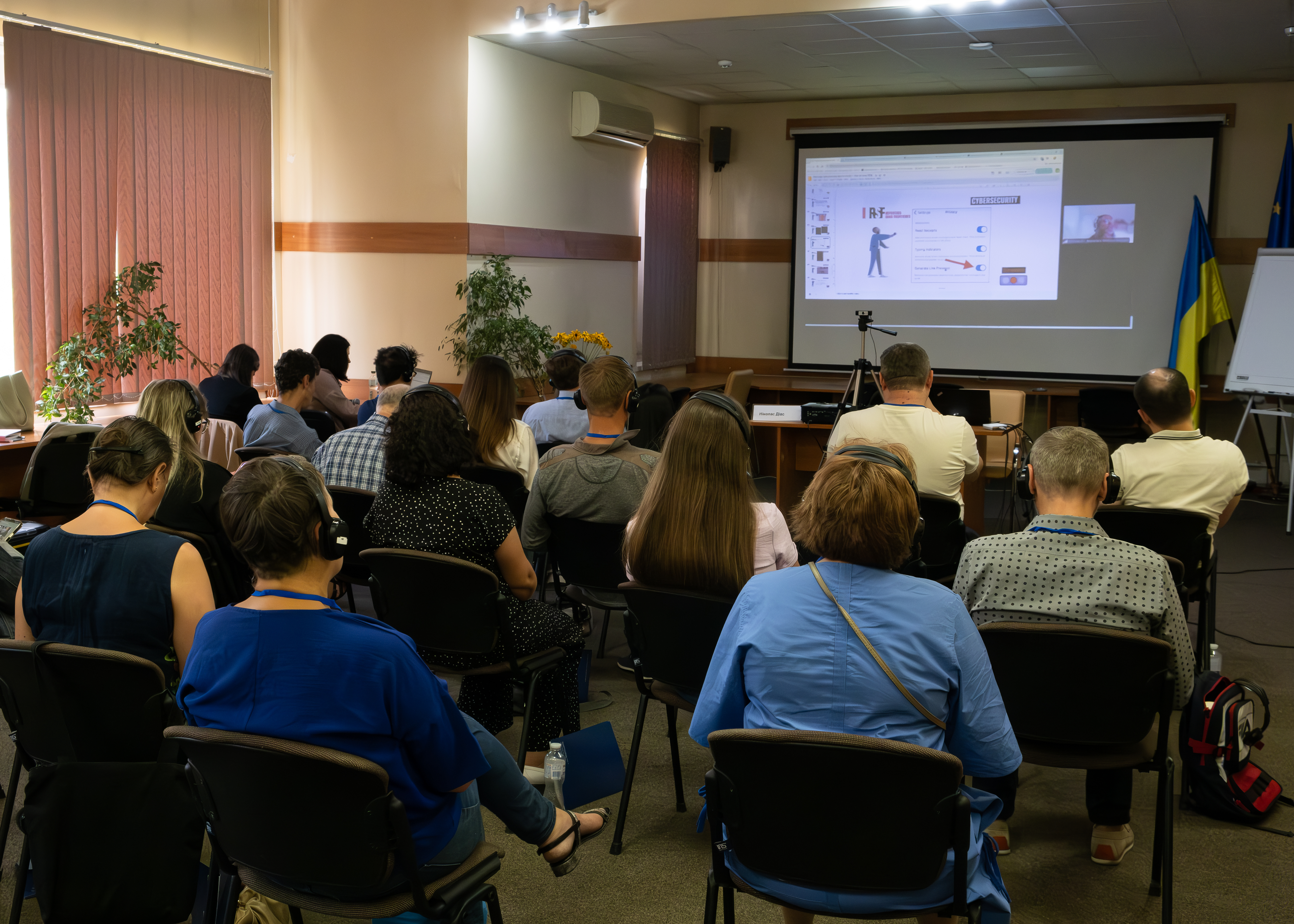
It is important for journalists to understand the specifics of the platforms they use. Therefore, in September, we organized an online meeting with Kateryna Kruk, Head of Public Policy at Meta for Central and Eastern Europe. A total of 105 media professionals discussed issues faced when working with Meta tools and services.
Fundraising During the War
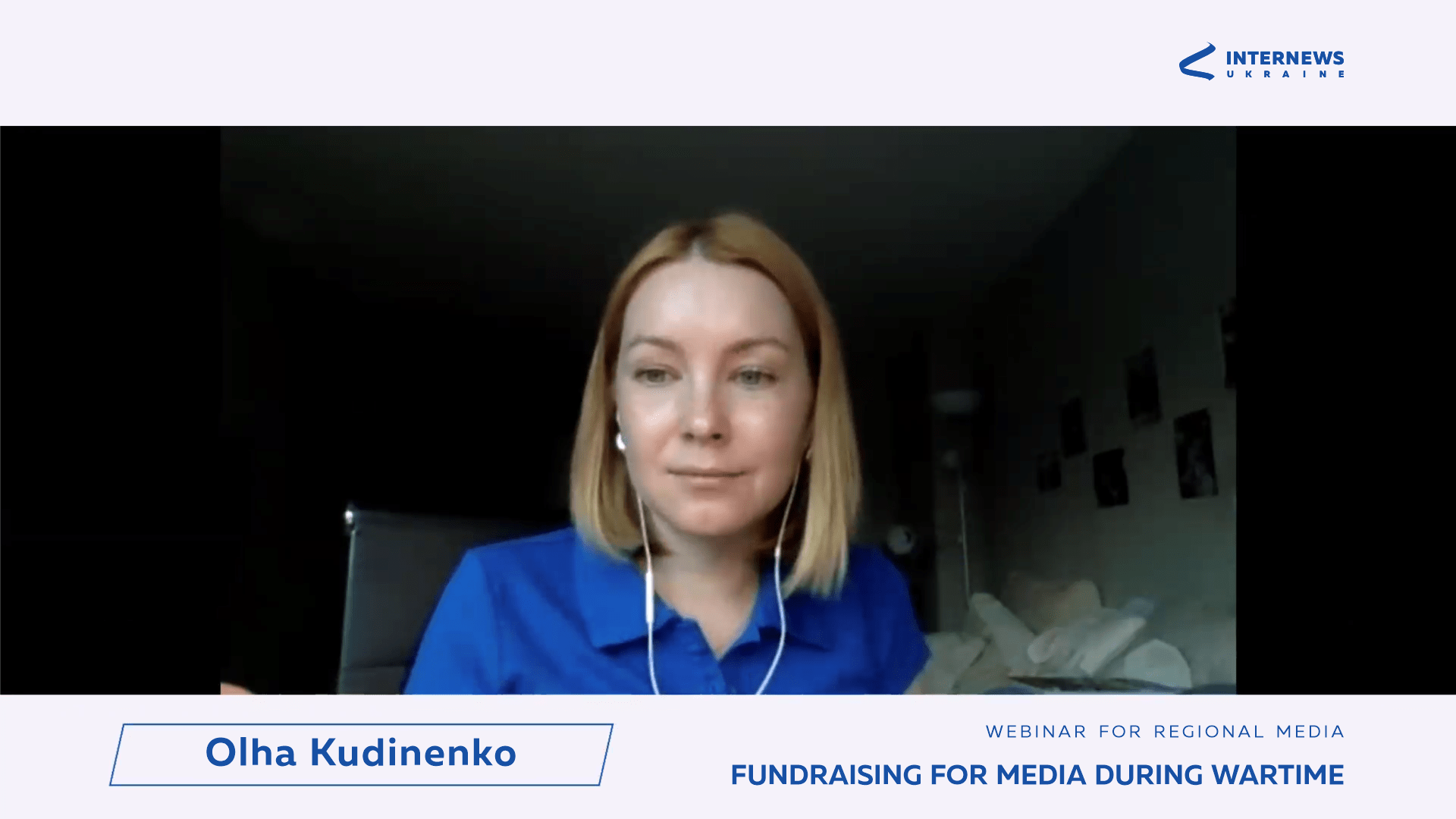
80% of the regional media outlets we surveyed reported facing serious financial difficulties due to the weakened advertising market. One effective way to find resources is through fundraising. Therefore, we organized a webinar attended by 79 participants. Olha Kudinenko, CEO and Founder of Tabletochki Foundation, explained how to develop a fundraising strategy, diversify funding sources, and more.
To make the lessons accessible to everyone, the Internews Ukraine team created a practical guide on fundraising for regional media. It provides detailed instructions on how to properly define a budget, attract grant funding, and interact with grant providers.
Visibility of National Minority Communities in Media
ver recent years, the war has also impacted members of national minority communities in Ukraine. To support their media platforms, we launched a special program.
In the first stage, we conducted a three-day online training for local media that produce content in the languages of national minority communities. Thirty participants from 18 media outlets learned about the main principles of quality journalism, reporting techniques, digital storytelling, multimedia content production, and media development strategies.
Seven journalists continued their participation in the program as scholarship recipients. They received financial and mentorship support and created special projects about the lives of national minority communities during the war. A total of 50 materials were published, highlighting these communities' lives, cultural heritage, and role in Ukraine's development.
outcome
High-Quality Local Media Outlets Accelerate Community Development
Support and training for local media have shown significant results. Journalists have created dozens of materials that draw attention to problems in their regions and help expedite solutions.
Scholarship-supported materials received over 6 million views. Poltava-based media outlet Zmist published an article about preserving cultural heritage. The publication sparked public discussion, which helped protect a historic building from demolition.
Journalists from Ivano-Frankivsk's Channel 402 created a series of reports on the accessibility of city streets and facilities, which gathered nearly 50,000 views. This prompted local authorities to ensure necessary renovations in compliance with accessibility standards.
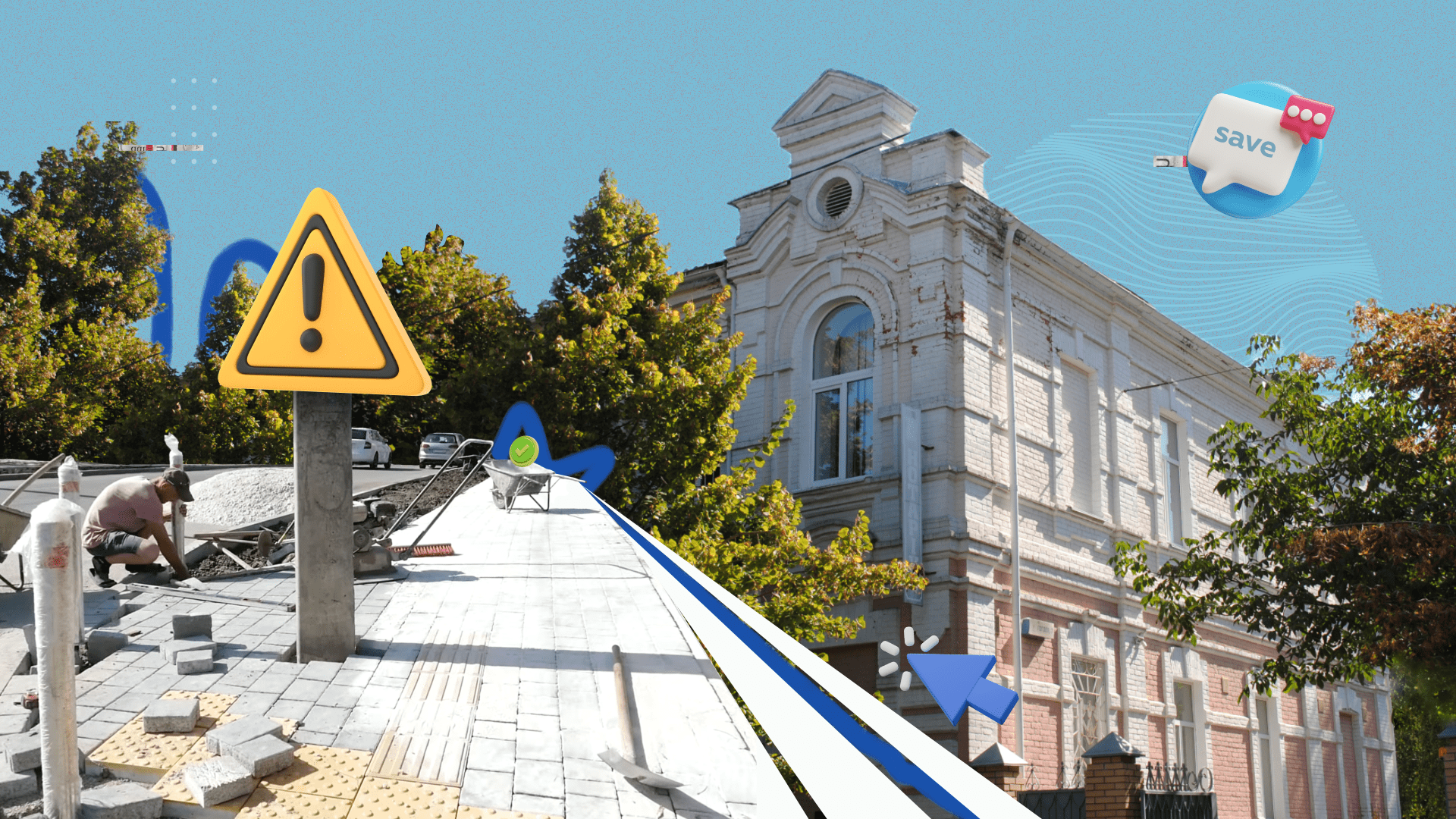
Another 50 materials were published through the Solutions Journalism scholarship program. These pieces garnered over 605,000 views and addressed pressing issues such as how to care for the environment in communities, reintegrating veterans into civilian life, and making art inclusive. The long-read Cultural Heritage of Bolhrad District: Renewing to Preserve became a topic of discussion at the first international Bessarabian Economic Forum.
Consultations on content improvement also proved effective. Participants reported increased traffic to their websites and social media pages. The most significant growth was observed by the Chernihiv-based outlet Vist (122% growth on their website), the Lviv-region online outlet Drohobych.City (266.3% growth on social media), and the Cherkasy-based outlet Procherk (60% growth on social media). The portal Pro Rivne also showed impressive results, with a 950% increase in its TikTok account following. A video about archaeological excavations in the city gained nearly 700,000 views.
"We received a lot of valuable advice. The SMM consultation, in particular, pushed us to make immediate changes. We gained valuable experience and saw how simple posts on relevant topics featuring experts can positively impact the community," explained Nazar Vivcharyk, editor of Procherk, reflecting on the training sessions.
Webinars and workshops on cybersecurity were equally effective. Participants provided positive feedback and joined a Signal group to exchange experiences.
Special media projects in the languages of national minority communities achieved over 300,000 views. For some participants, this was their first experience receiving support from a Ukrainian civil society organization. Among these were the Media Vista platform and the Hungarian-language publication Kárpáti Igaz Szó from Zakarpattia. The materials produced included video stories about the lives of Georgian, German, Romanian, Slovak, Polish, and Hungarian communities in the region, as well as an article on the contributions of national minority communities to Ukraine's victory.
"This program significantly contributed to the development of our multimedia platform and our small team. We improved our skills in creating video content, collecting and processing information, writing scripts, preparing subtitles, and enhancing our technical capabilities," shared Natalia Tolochko, coordinator of Media Vista.
The results of supporting regional media in 2024 have proven their ability to influence the development of their communities. By working in the genres of transformative and solutions journalism, these media outlets encourage local authorities and citizens to engage more actively in addressing problems. The outcomes are real steps that improve the lives of ordinary Ukrainians. Strong regional media are essential to continue overcoming the challenges of war.