Documentary series
Wind from the Mountains
challenge
The Crimean Tatar story is under-covered
At the beginning of 2014, Russian special forces seized control of the Crimean Peninsula. On February 26, 2014, the Mejlis of the Crimean Tatar people called on deputies of the Verkhovna Rada of the Autonomous Republic of Crimea and local residents to come to the defense of their home: thousands of Crimean Tatars, Ukrainians, and members of other nationalities resisted the Russian occupation that day. However, the next day, Russian military units took over government buildings of the Autonomous Republic.
Crimea has been under Russian occupation for 9 years. Currently, the Russians are holding 180 political prisoners arrested in or tied to Crimea in prisons both in Crimea and the Russian Federation. Although Ukraine is doing everything it can to secure its prisoners' freedom, Crimea is not the central topic of daily news, and the Crimean Tatar story is not being told as loudly and widely as the inhabitants of the peninsula and its indigenous people need.
decision
A versatile and comprehensible story that calls attention to political prisoners
In order to bring global attention back to the plight of occupied Crimea, we worked with film director Yulia Kochetova to create the documentary series Mountain Breeze. It tells the stories of several Crimean Tatars who moved to mainland Ukraine after the occupation of their homeland. The subjects try to understand themselves after being freed from Russian captivity and rebuild their homes and lives in free Ukraine.
This is a universal story which broad audiences can relate to and understand. It focuses on the need to support political prisoners, along with dramatic moments in the history of the Crimean Tatar people. In addition, Mountain Breeze offers viewers a glimpse of the beauty of Crimea and the music of its indigenous Crimean Tatar people.
To create the series, we conducted research, created a clear concept, and selected subjects. They were ceramist Rustem Skibin, entrepreneur Lerane Khaybullayeva, human rights activist Mumine Saliyeva, and musician Ussein Bekirov.
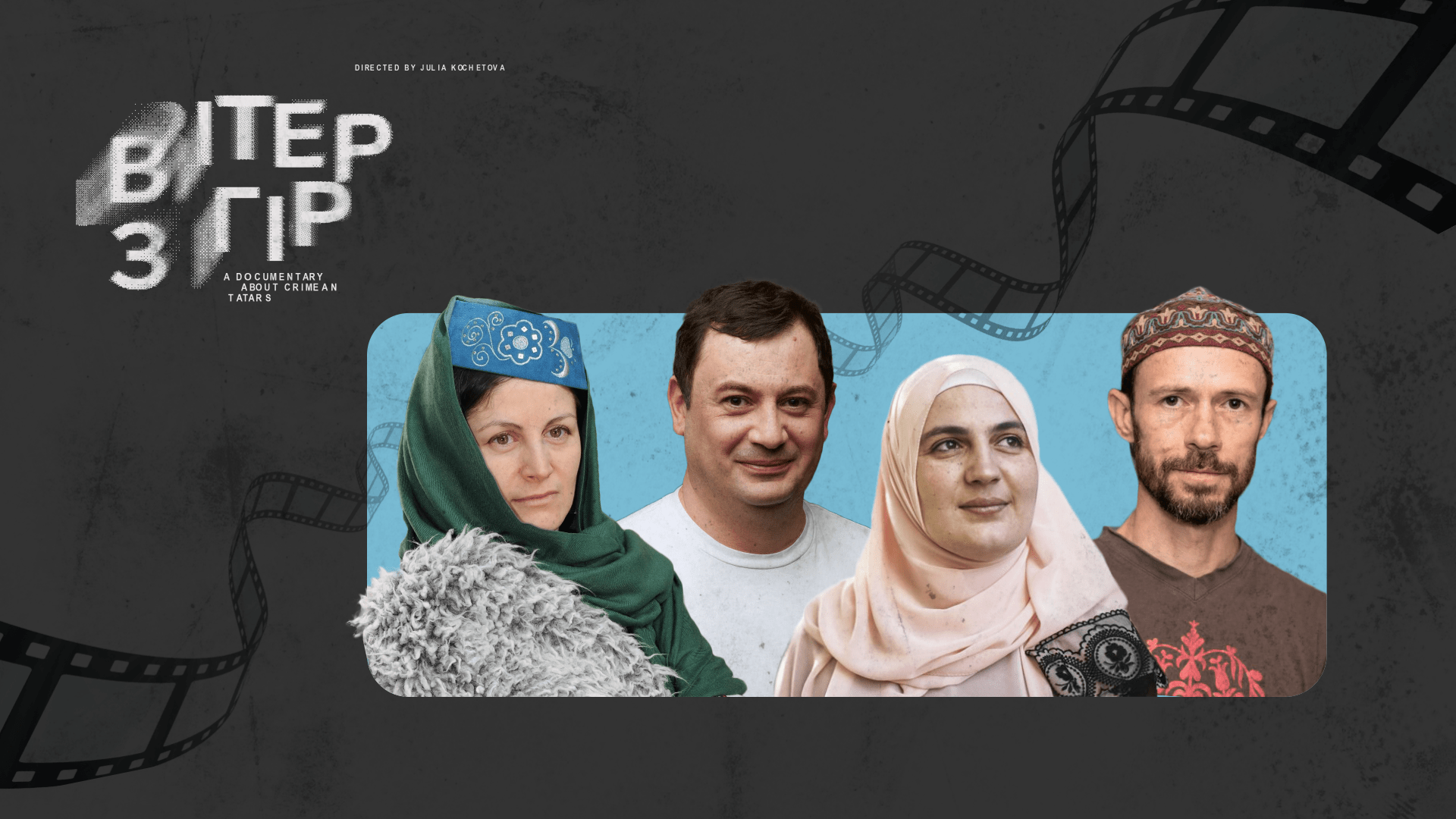
Together with the production team, we prepared final versions for three episodes and a draft version of the fourth. The last episode's production was interrupted by Russia's full-scale invasion of Ukraine.
result
The story resonated with its target audience
The team showed the first version of the series to international journalists during a presentation at the Crimean Platform Summit in August 2021. Over 20 journalists from influential media outlets including Politico, The New York Times, Gazeta Wyborcza, Le Monde, and EL PAIS had the chance to view the series and speak with the director.
The screening of the three completed episodes took place on February 13, 2022, at the Zhovten cinema in Kyiv. It was attended by more than 80 people, including journalists, documentary filmmakers, the public, as well as the Deputy Permanent Representative of the President of Ukraine in Crimea Tamila Tasheva and the head of the Crimean Platform's support service" Maria Tomak.
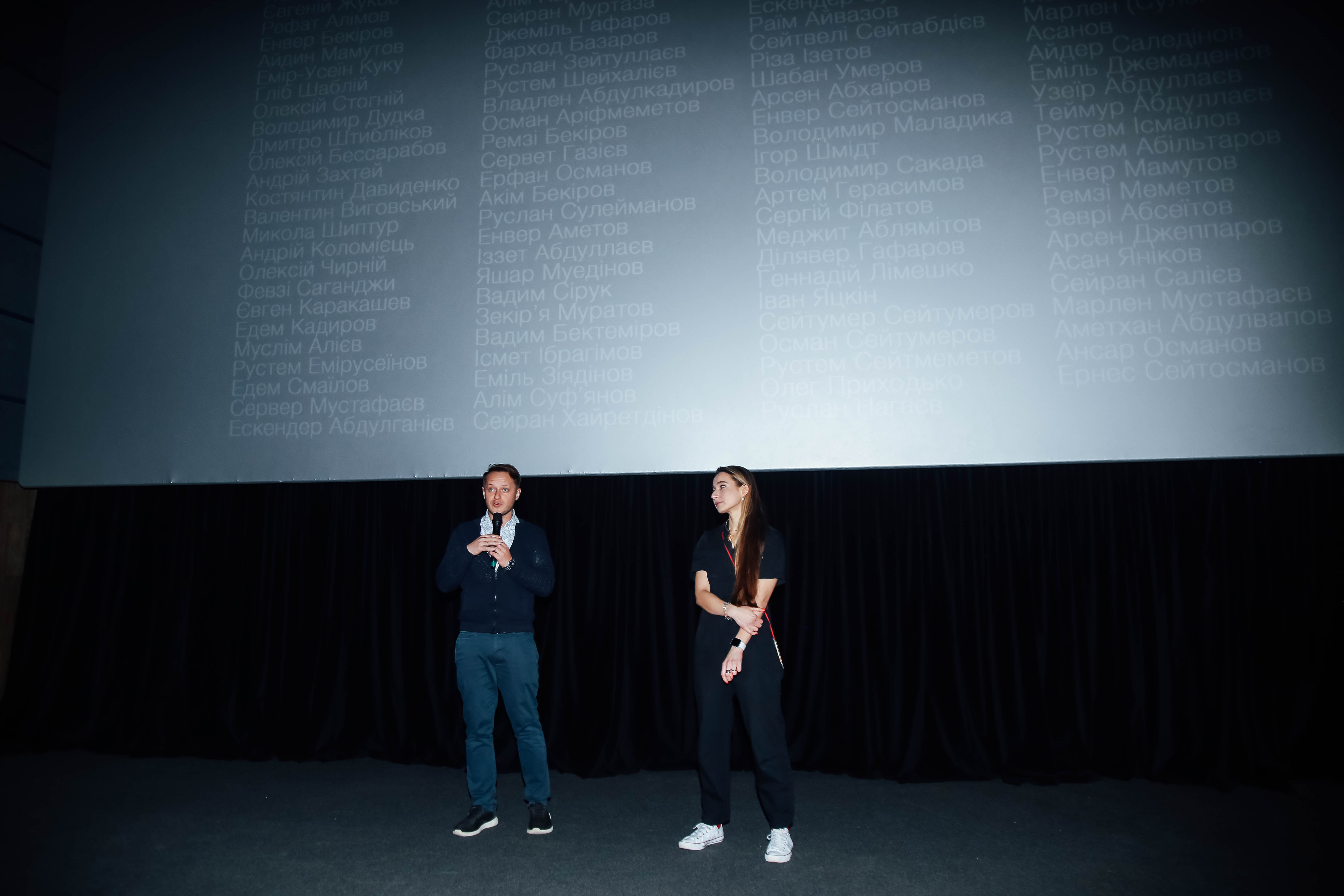
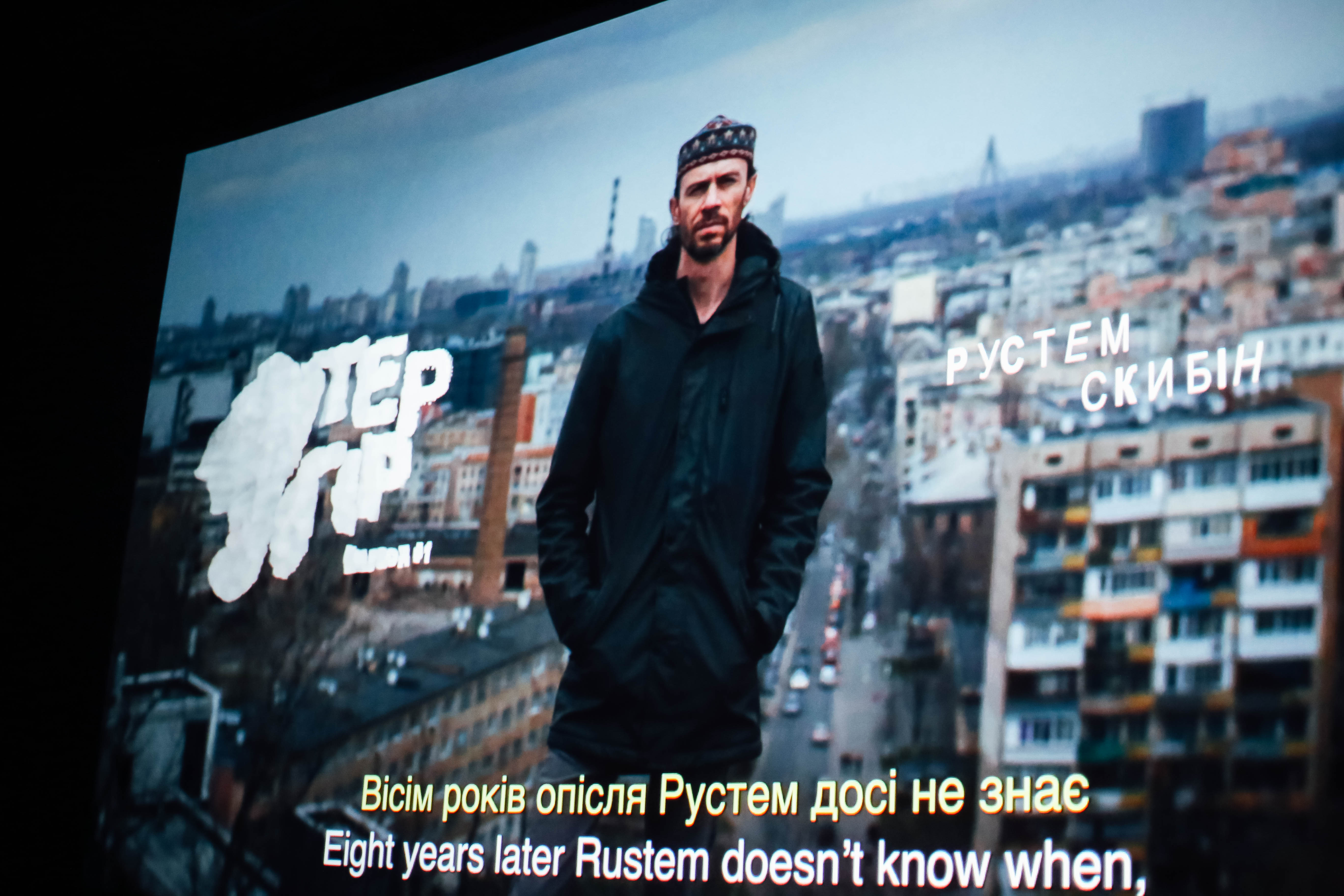
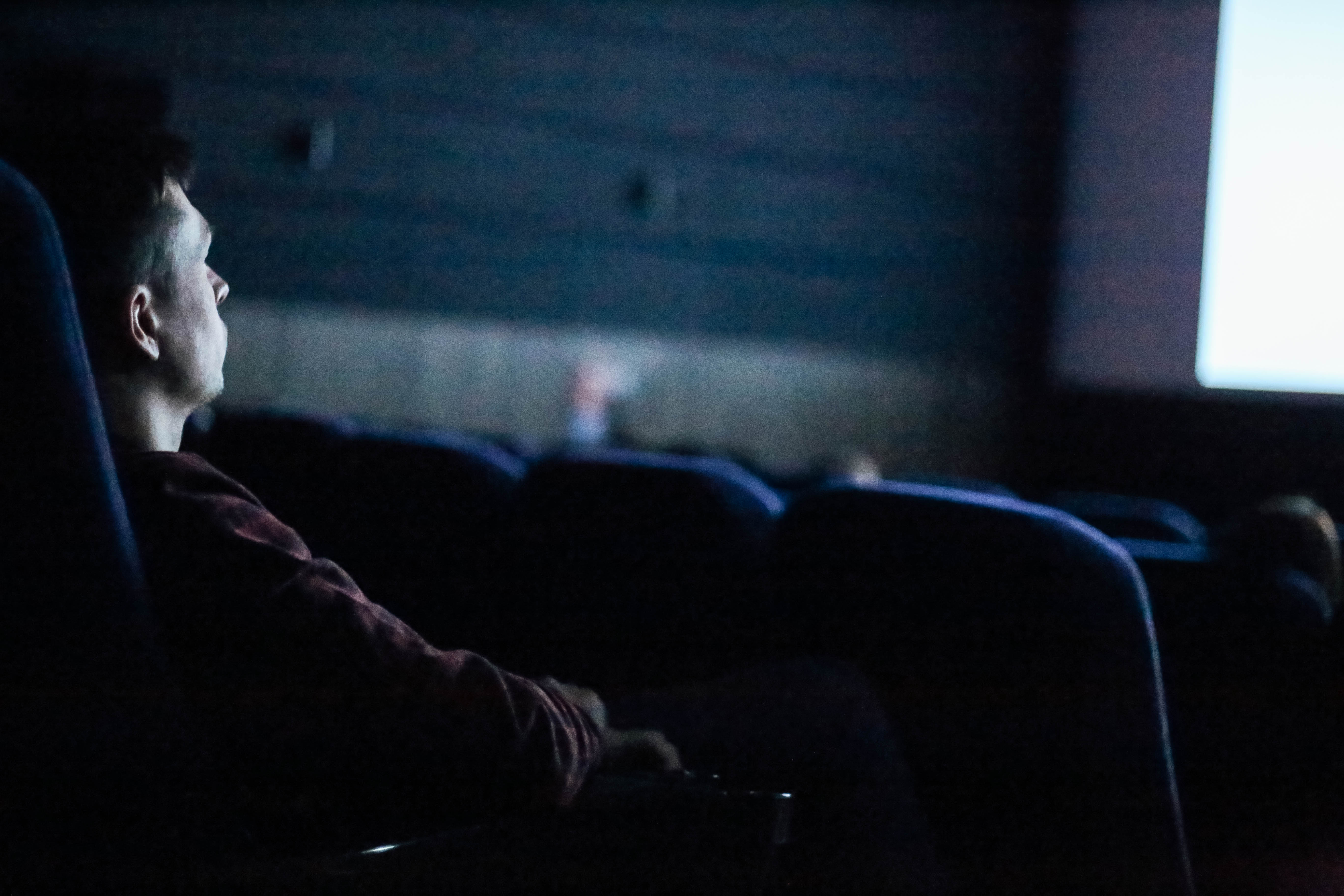
During the screening of the film, we organized a solidarity action in support of Crimean political prisoners. We printed postcards with screenshots from the film for the audience to sign and write messages on. After the event, the project team handed postcards to the organization Let My People Go.
The story resonated with its target audience, as evidenced by the ample positive feedback from the audience, including from Ms. Tomak.
Yes, these people suffered from the temporary occupation of Crimea, but they are not victims. They are their own people, and this is the accent that is missing. And this is the position we choose by celebrating the Day of Resistance to the Occupation of Crimea, not the anniversary of the occupation.