
Press release
How To Tell the Foreign Audiences Stories About Russian War Crimes in Ukraine Effectively
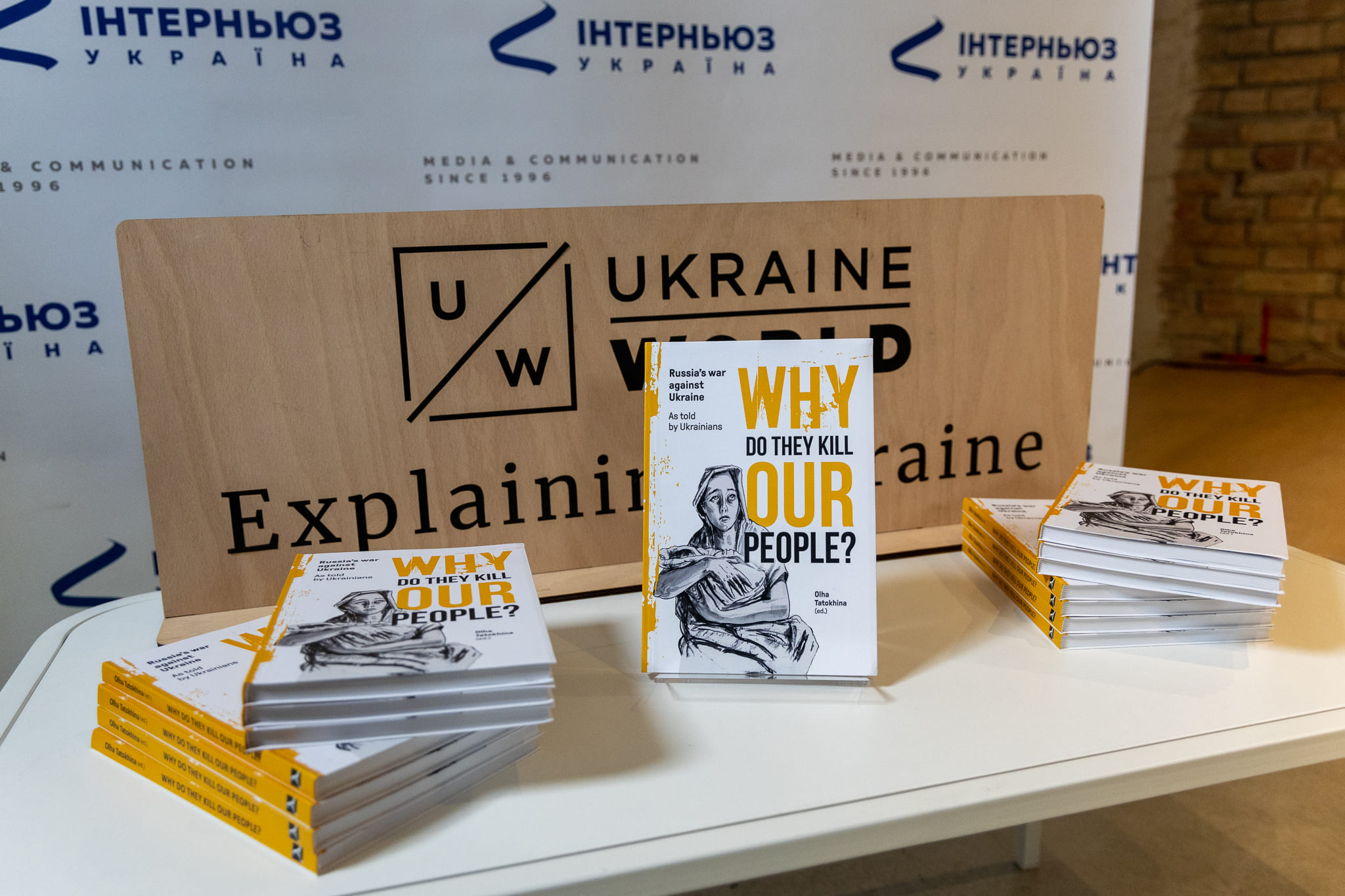
On September 12, Internews Ukraine, together with its multimedia project UkraineWorld.org presented the book with stories of Ukrainians who became victims of Russian war crimes "Why Do They Kill Our People?".
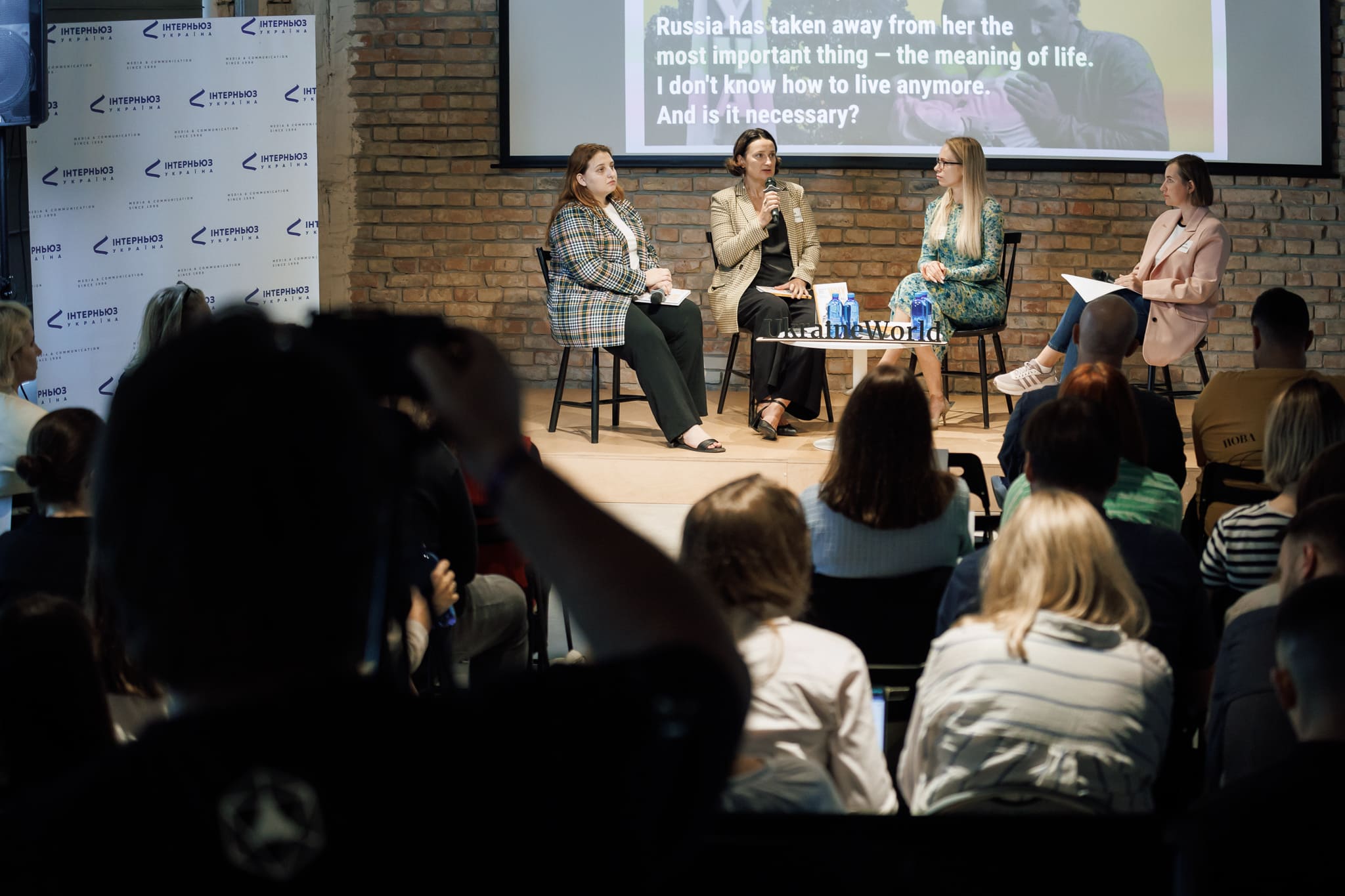
"This book is already part of history, and in the future, it will serve as a reminder of the horrors of war. It is about how, despite incredible challenges and the daily threat of death, people in Ukraine fought for their right to be free, to live with dignity, and to live on Ukrainian soil," Olha Tatokhina, the editor of the book mentioned.
Apart from the book's presentation, the invited experts, foreign journalists, human rights defenders, representatives of embassies, and civil society organizations also discussed how to convey stories of Ukrainians to the international audience and communicate Russian war crimes. So as not to scare them, but draw the world's attention to people who survived these atrocities.
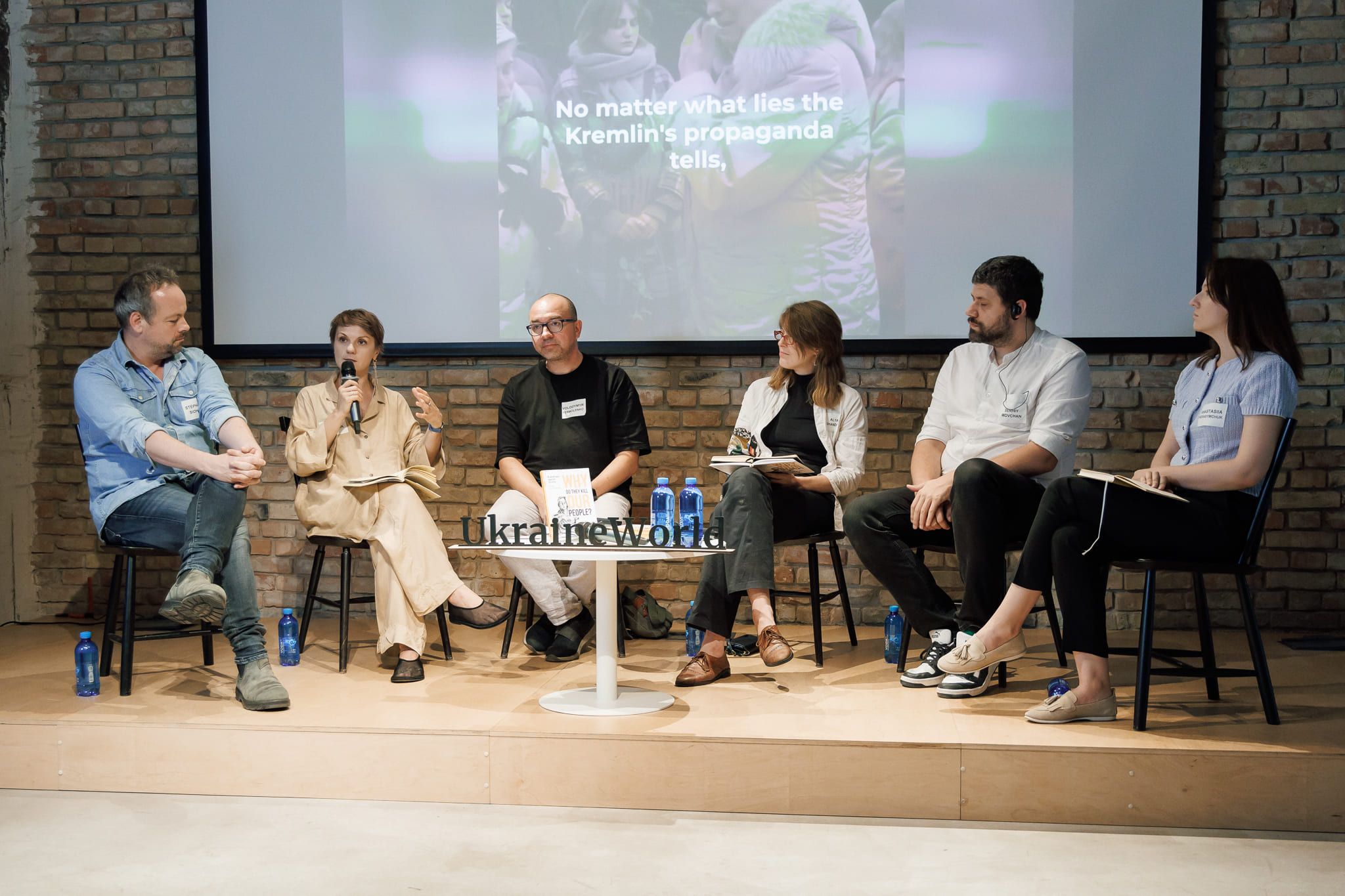
Among the participants of the public discussion were:
- Anastasiia Herasymchuk, Deputy Editor-in-Chief at UkraineWorld.
- Nataliya Gumenyuk, co-founder of Public Interest Journalism Lab and The Reckoning Project.
- Serhiy Movchan, lawyer and the Head of the documentation department of the Ukrainian Helsinki Human Rights Union (UHHRU).
- Alya Shandra, journalist and Editor-in-chief at Euromaidan Press.
- Stéphane Siohan, author and producer of documentary films, senior correspondent in Ukraine for the French daily Libération and the Belgian daily Le Soir.
The Ukrainian philosopher, journalist, and Editor-in-chief at UkraineWorld Volodymyr Yermolenko moderated the meeting.
The invited experts agreed that a careful selection of stories that would resonate with a global audience could amplify the Ukrainian voices. These are frequently personal, emotionally charged narratives of survival, loss, and resilience that can humanize the conflict for international audiences or readers. Experts note that stories about Russian war atrocities are inherently traumatic, making it difficult to convey them without retraumatizing either the audience or the storytellers. Journalists and human rights defenders must strike a delicate balance between sharing the brutal realities of war and protecting survivors' dignity. It's important to let survivors tell their stories in their own words and at their own pace, so they feel heard and respected.
"It was important for me to share my story — the story of my Zhenya — because their family only had one son. The story of our relationship was never realistic. He was my boyfriend. He wanted to marry me and had planned to propose on January 1. However, he died on December 17, before that. And so, I am no longer his wife. Unfortunately, this is not the only such case," said Alla Karpenko, a veterans' affairs specialist and a fallen soldier's partner.
The selection of the media platform is a critical criterion of successful storytelling. Stories shared through international media outlets with large audiences, as well as social media campaigns, can reach more people and elevate the Ukrainian perspective on the global stage.
To make the Ukrainian voice more powerful abroad, it is worth proposing to international journalists the information directly from its participants — either as interviews or multimedia content.
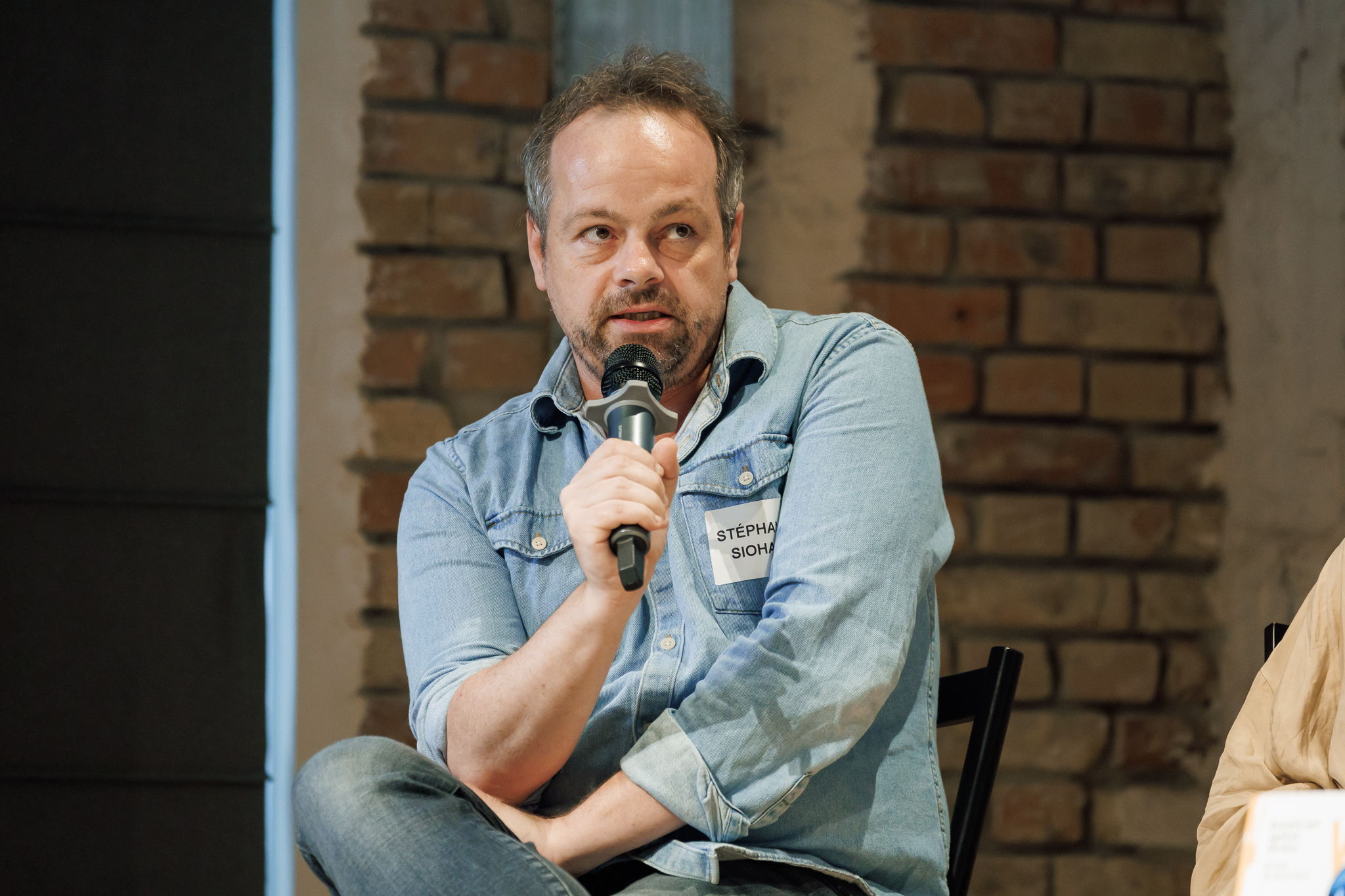
"It is not true that people are not interested. Readers in the French provinces don't want to understand the conflict [rationally], they want to feel how people live in Ukraine. For example, how fishermen managed to keep working in the Black Sea when there were mines everywhere, or how peasants in the countryside managed to make the harvest when we were in the most mined country. We need to think about shaping new formats of coverage," mentioned Stéphane Siohan.
He also emphasized that the coverage of the war has dramatically evolved over the past month and that European media want to take an analytical approach to Russia's war against Ukraine, as audiences in leading media are over-informed.
However, there is still the open question of how to draw attention to these stories given the news volume and Russia's efforts to promote its narratives.
Anastasiia Herasymchuk said more about this issue: "We realised that covering a pressing issue and informing the audience about what is going on in Ukraine is important. However, we need to add some depth. We need to explain the concept of Ukraine. That's how the concept of developing fundamental analytical materials was born. We primarily focus on issues related to deeper aspects of Ukraine, such as history and culture. These aspects may help audiences better understand Ukrainians and identify potential links."
Telling stories solely about suffering may alienate audiences or make them feel powerless. A key strategy is to counterbalance these challenging narratives with stories of hope, resistance, and recovery. Instead of despair, the audience feels empowered and is encouraged to take action.
"If we want to be heard, we must continue to stimulate our audience with studies, stories of victory, and even perseverance, such as David versus Goliath. So they will continue to believe in our spirit and determination to win, as well as to support us," emphasized Alya Shandra.
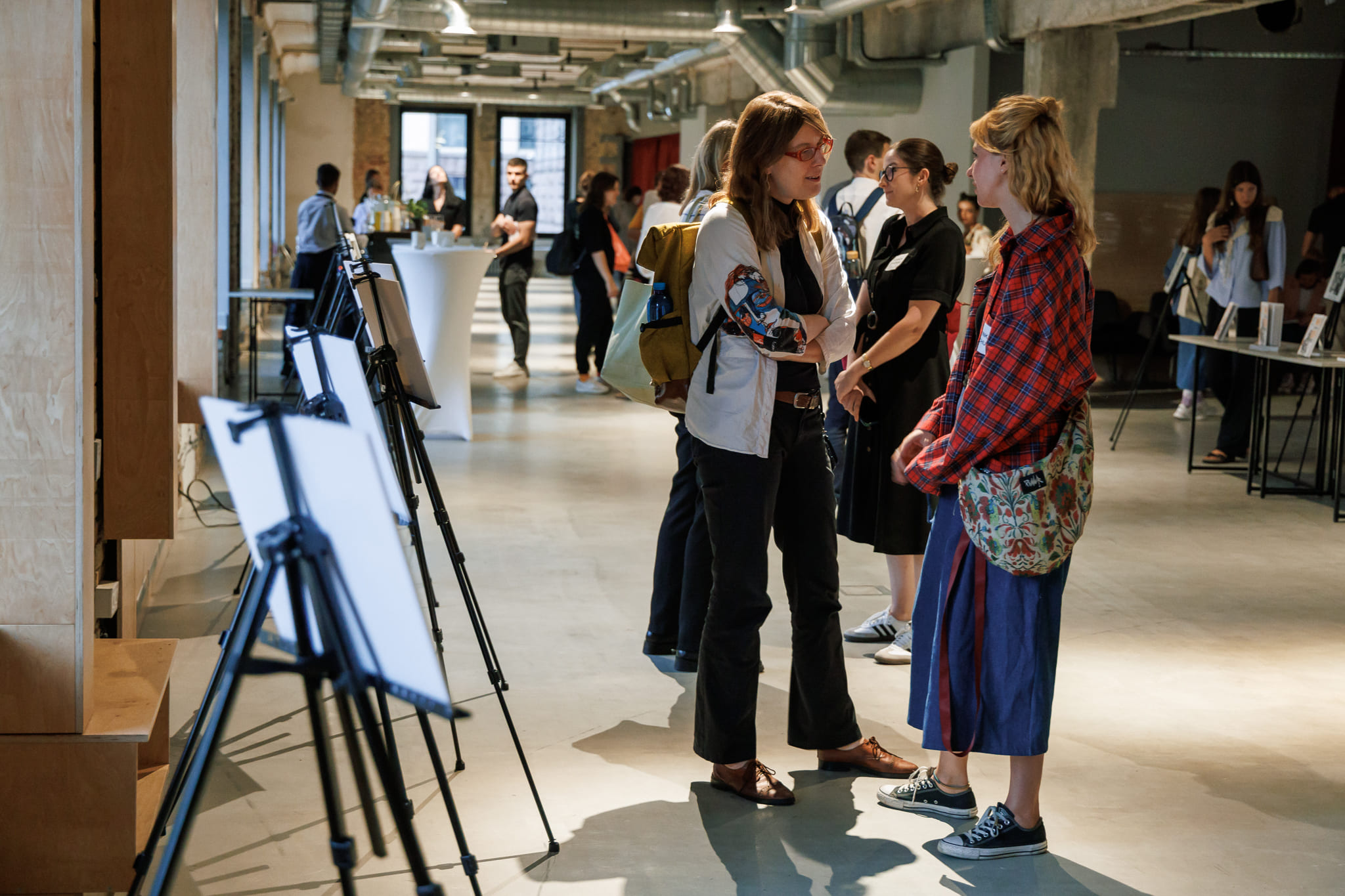
The event was organised with the support of the National Democratic Institute (NDI) and Internews Network.