
Communications and Internet Resilience in War
Ukrainian Internet saved through decentralization: Officials and telecom industry reflecting on 2022 lessons
The telecommunications market in Ukraine suffered losses of $2.3 billion during the year of the full-scale invasion, as estimated by the World Bank. Key stakeholders, including telecommunication company leaders, government representatives, and Western partners, convened in Kyiv for the "Ukraine: Communications and Internet Resilience in War" conference to discuss the ongoing restoration of Ukraine's infrastructure.
The event was organized by the NGO Internews Ukraine and Canadian technology organization eQualitie, with support from the Ministry of Digital Transformation and the State Special Communications Service.

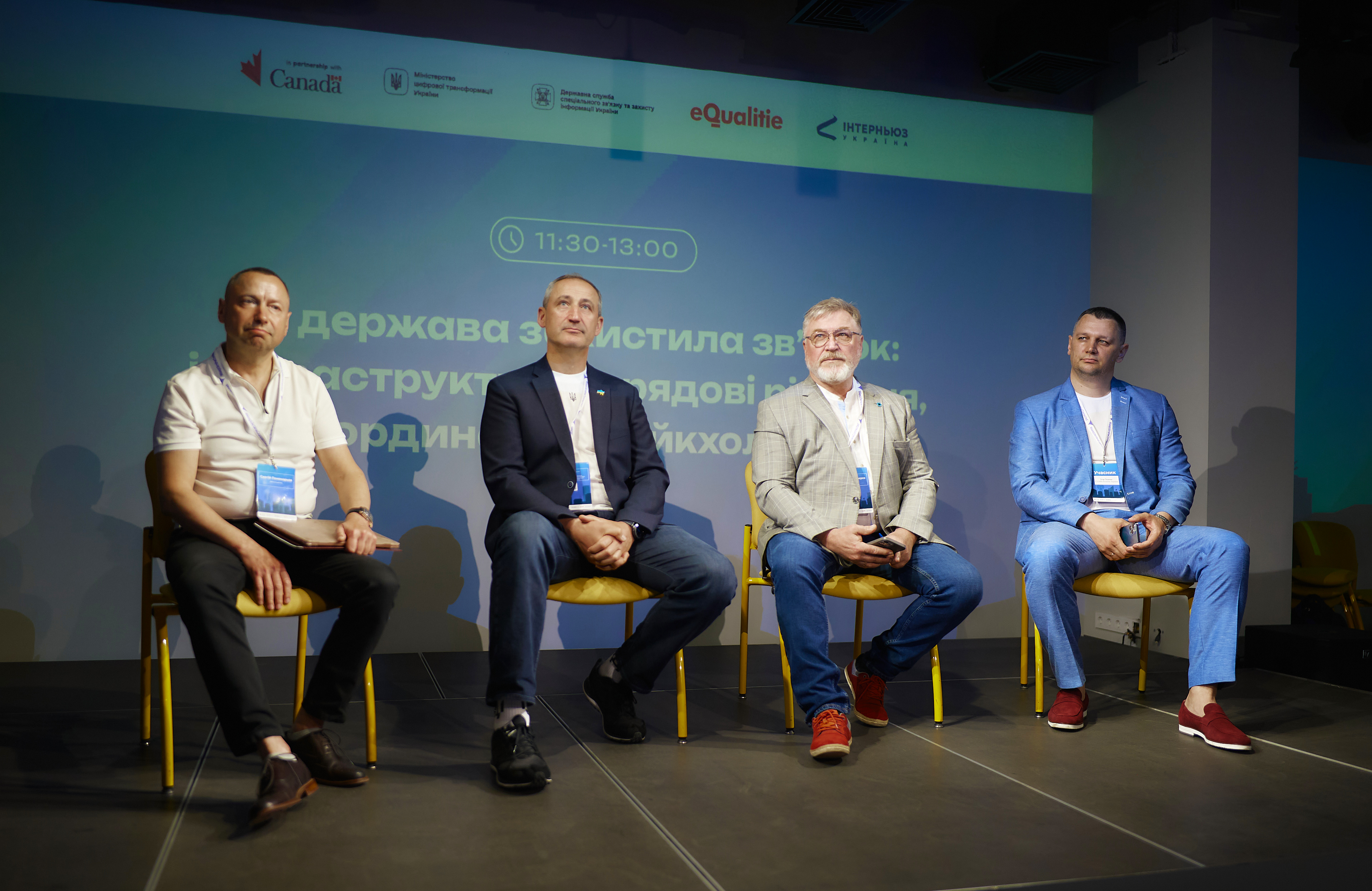
How the State Safeguarded Communications in Ukraine
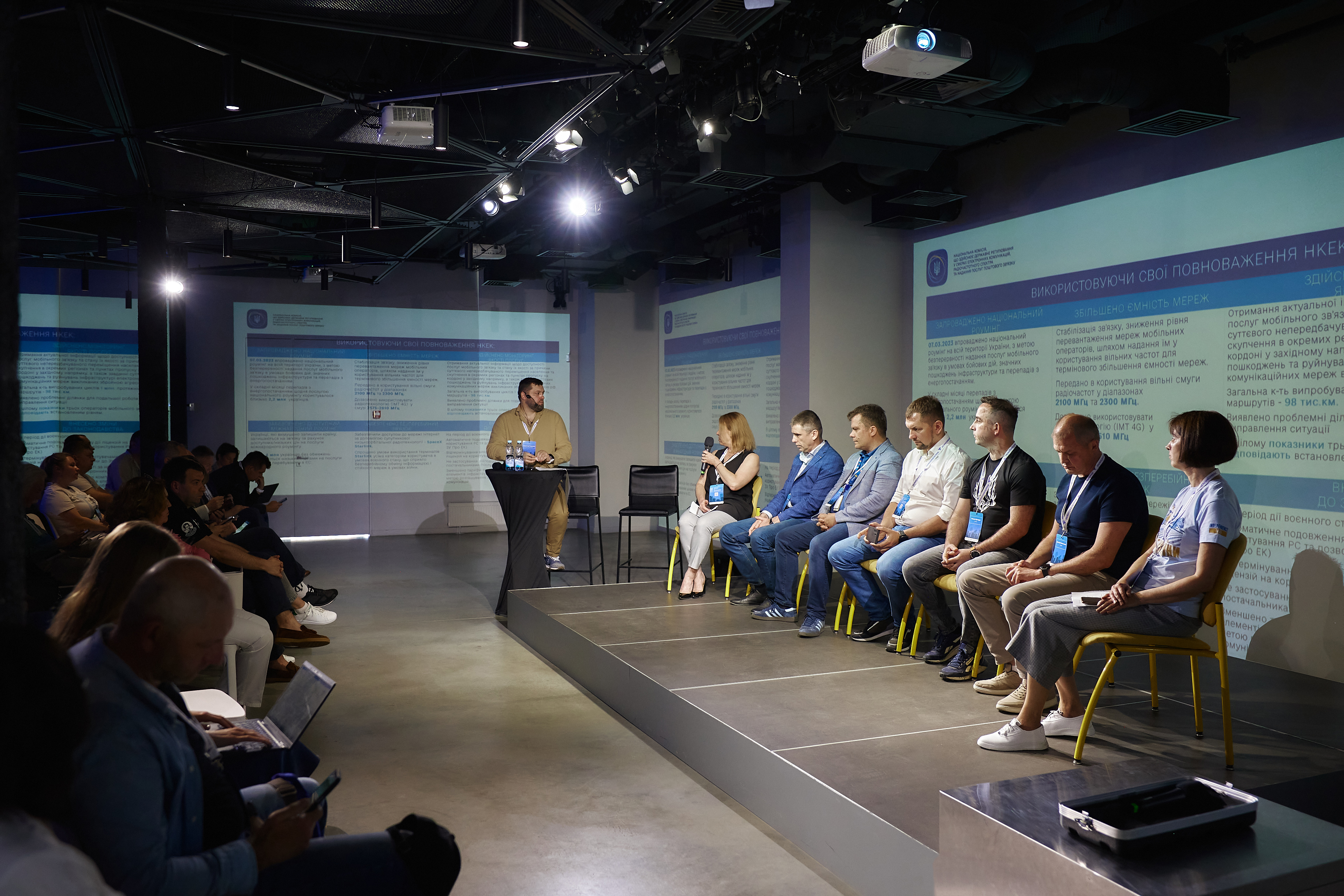
The implementation of national roaming on March 7, 2022, marked the initial success of a coordinated response to this a full-scale invasion. “This crucial step ensured uninterrupted communication in the midst of hostilities and power outages. We bolstered network capacity, particularly in regions experiencing a significant influx of immigrants. Additionally, we successfully reduced the cost of international roaming, benefiting over 4 million citizens," stated Viktoria Troshchenko, a Member of the National Commission for the State Regulation of Electronic Communications, said.
This e public-private partnership demonstrated remarkable effectiveness, as government decisions concerning communications stability were swiftly made in the initial weeks of the full-scale invasion.
The telecommunications industry adopted made several notable decisions that significantly impacted its operations. The key decisions made were as follows:
- Abolition of fees for providers and operators to access infrastructure elements of electric power facilities, resulting in savings of UAH 800 million.
- Provision of free frequencies to mobile operators to enhance network capacity.
- Implementation of network quality testing measures.
- Postponement of the expiration of telecommunications company licences.
- Collaboration between the government and the private sector to facilitate the delivery of equipment from abroad for operators and providers.
- Approval of passage through checkpoints during curfew hours for telecommunications company employees to carry out repairs to networks repairs.
Furthermore, during the initial months of the full-scale invasion, the collaboration between the government and the private sector facilitated the following developments:
- Establishment of Wi-Fi networks in shelters for 3,000 educational institutions.
- Streamlining access to Starlink for users, making it more convenient and accessible.
Russia’s full-scale invasion was accompanied by extensive cyberattacks.Ihor Chernyak, a Staff Member of the Department of Counter-intelligence Protection of the State's Interests in the Field of Information Security of the SBU, highlighted the escalating scale of these attacks. "While the Security Service of Ukraine recorded 800 cyberattacks at the beginning of 2020 and 1,400 in 2021, the number has now surged to 5,500 attacks beginning from 24 February 2022," he stated.
Decentralization has been credited with saving the Ukrainian Internet. “Thanks to the effective interaction and timely decision-making of the National Security Council of Ukraine and the National Cyber Security Coordination Center, our country survived and gained an advantage in information and cyberspace. The state, critical infrastructure, and business have come together as a united front, and this has become the key and decisive factor in our struggle,” highlighted Volodymyr Zverev, Deputy Head of Service - Head of the Information Security Department of the Information Security and Cybersecurity Service of the National Security and Defense Council of Ukraine.
Additionally, autonomous systems responsible for disseminating harmful content from the aggressor, were identified.
Serhii Ponomariov, Director of the Department of Electronic Communications, State Special Communications Service of Ukraine, highlighted the significant efforts made by operators in this regard. "Operators successfully blocked over 660 autonomous systems and nearly 121,000 IP addresses used for propagandistic purposes," he emphasized.
Communication in Wartime: Lessons from the Telecommunications Industry
Numerous companies took proactive measures in preparation for a potential full-scale war, ensuring essential supplies, procuring generators, and prioritizing the well-being of their teams. Yuriy Zadoya, Head of the Lifecell Technology Management and Control Department, emphasized some valuable lessons learned from this experience. "One crucial lesson we've learned is not to keep critical equipment within the line of fire. Even before the commencement of the full-scale invasion, we relocated our data center equipment from Kharkiv and Dnipro to other regions. Additionally, protecting both individuals and the industry ecosystem, from small to large providers, is essential for enhancing the system’s stability during challenging times," he said, while sharing this experience.
"The plan for the two-year modernization of sections of the trunk network was successfully executed within a remarkable timeframe of just three months. Our ability to come together as one was the key to our survival. The crisis situation eradicated the notion of competition," Mykhailo Shelemba, the General Director of DataGroup/Volia, underlined.
Oleksandr Savchuk, Chairman of the Board of the Ukrainian Internet Association (UIA), outlined the primary risks facing providers:
- Mobilization of employees responsible for ensuring stability of communications.
- Ensuring the physical safety of employees.
- Potential communication disruptions or damage to trunk lines, mitigated by providing satellite communication and utilizing services like Starlink.
- Disruption of equipment and material supply chains.
- Anticipating potential banking system failures, prompting early payments.
- Fuel supply interruptions, exacerbated by long distances required to repair highways.
- Navigating restrictions on movement and curfew passes for personnel.
- The risk of energy blackouts.
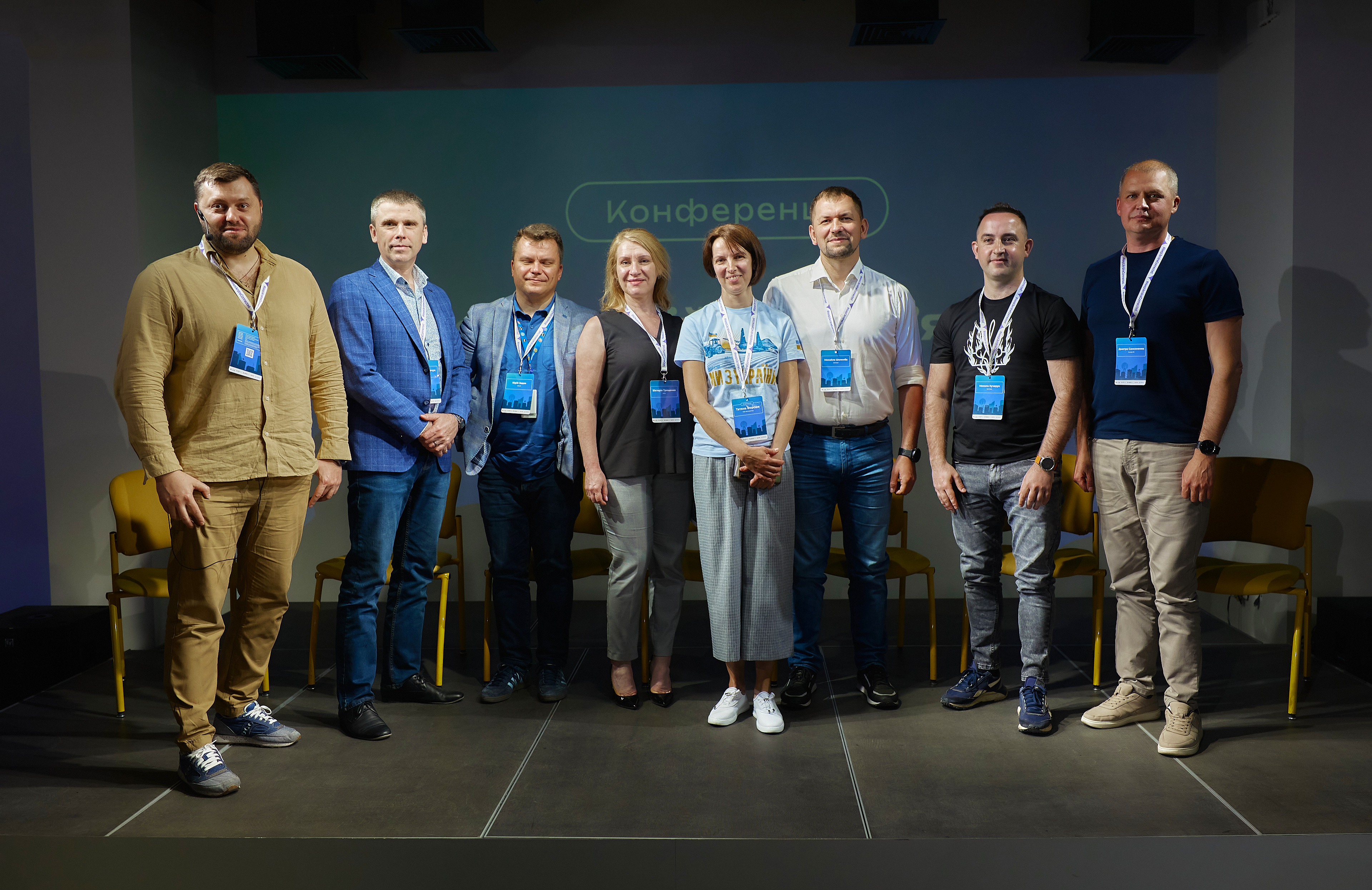
The experience of the two-month occupation of Kramatorsk in 2014 helped the local provider Elite-Line prepare for the full-scale invasion. According to Mykola Kucheruk, Director of Elite-Line, said that the new challenges in the company's work are the mining of territories, damage to more than 100 km of optical cables, fatigue of employees, a drop in income from subscription fees by 40-70%, and the blocking of web resources due to Western sanctions - sometimes the IP addresses of Kramatorsk are recognized as located in occupied territories.
Communications in temporarily occupied and de-occupied territories
Since the beginning of the full-scale invasion, most channels in the occupied territories have decoded their signal. According to Oleh Chernysh, Deputy Chairman of the National Council of Ukraine on Television and Radio Broadcasting, 283 licensees remain in these territories, and about 47 satellite broadcasters have temporarily stopped broadcasting.
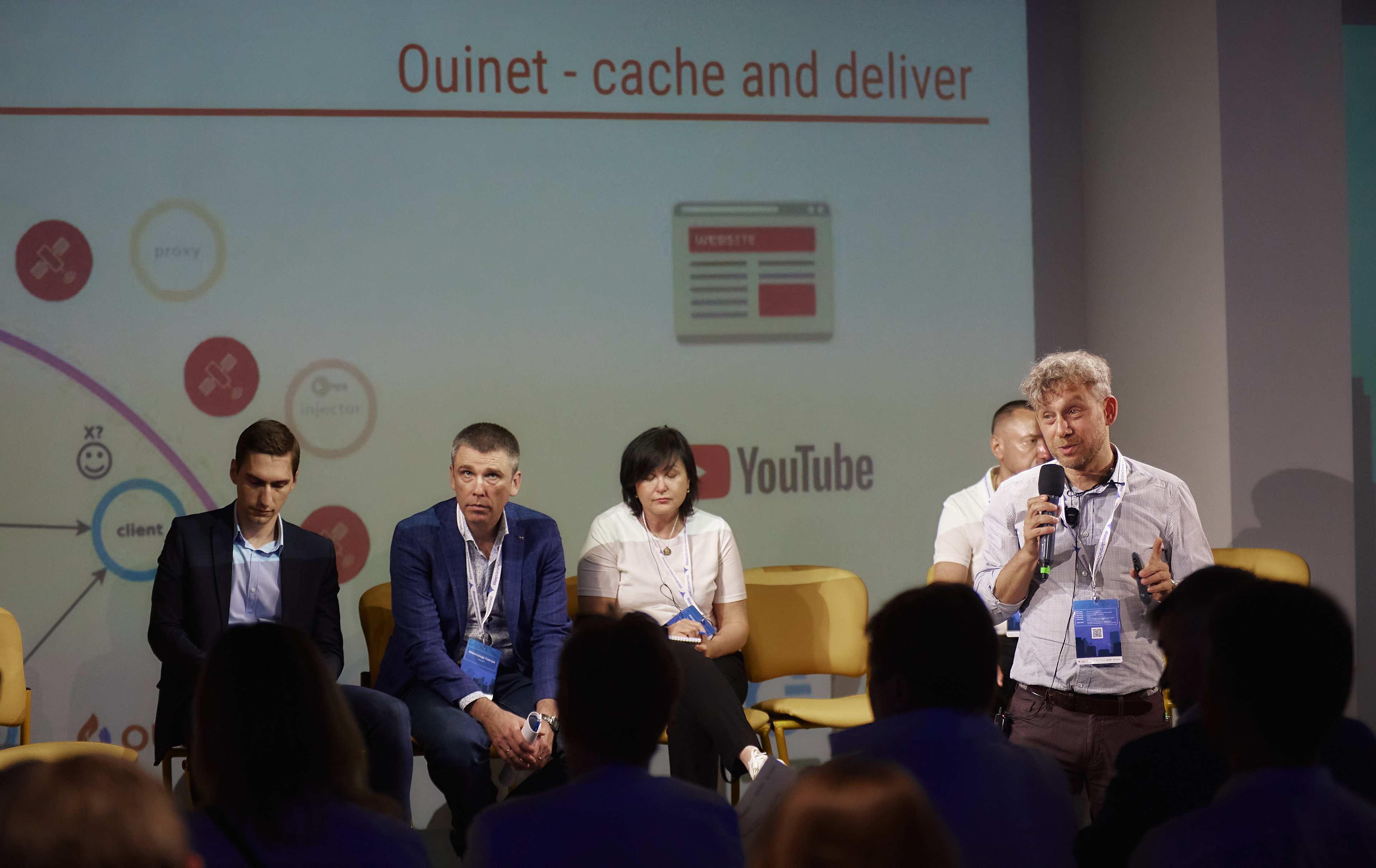
The Russian Internet works in the occupied territories, and all communications go through the Russian Federation. Dmytro Vitaliev, Founder of the Canadian technology organization eQualitie, presented the tools that will help to restore communications with these territories:
- Dcomms is an alternative platform for online communication if access to the Internet is limited.
- Ceno is the world's first mobile browser that bypasses modern Internet censorship methods.
- Ouinet is a set of software tools that provide access to web resources in unreliable or unavailable Internet conditions or where the Internet is unavailable.
In the de-occupied territories, operators have restored more than 1,700 base stations, residents of more than 500 settlements are back in touch, 91% of mobile networks are working - Stanislav Prybytko, Director of the Department of Mobile Communications of the Ministry of Digital Transformation, assured. The Parliament of Ukraine adopted Law No. 2078-IX, thanks to which mobile towers can be built more easily and quickly.
The needs of the telecommunications industry. Dialogue on international aid for Ukraine
Equipment and telecommunication resources stolen by Russia, blackouts, disconnection of users from Ukrainian providers in the occupied territories and forced connection to Russian ones are the biggest problems for the industry, according to Maksym Smilianets, Co-owner of the internet provider Viner Telecom. "Every day in Kherson Region, UAH 350,000 is spent on the restoration of damaged systems and equipment alone," Smilyanets added.
"Funds for the restoration of territories are constantly needed. Although most local residents have left the partially destroyed settlements and few subscribers are left, the Internet and communication should be fully functional, - noted Yuriy Matsyk, Director of the Department of Fixed Broadband Access, Ministry of Digital Transformation. — The Ministry plans to launch the "Universal Internet Service" project in de-occupied territories. It will help citizens who cannot afford these services to receive funds from the state to pay for communication services. They will be able to choose the most convenient provider for them and pay for their services."
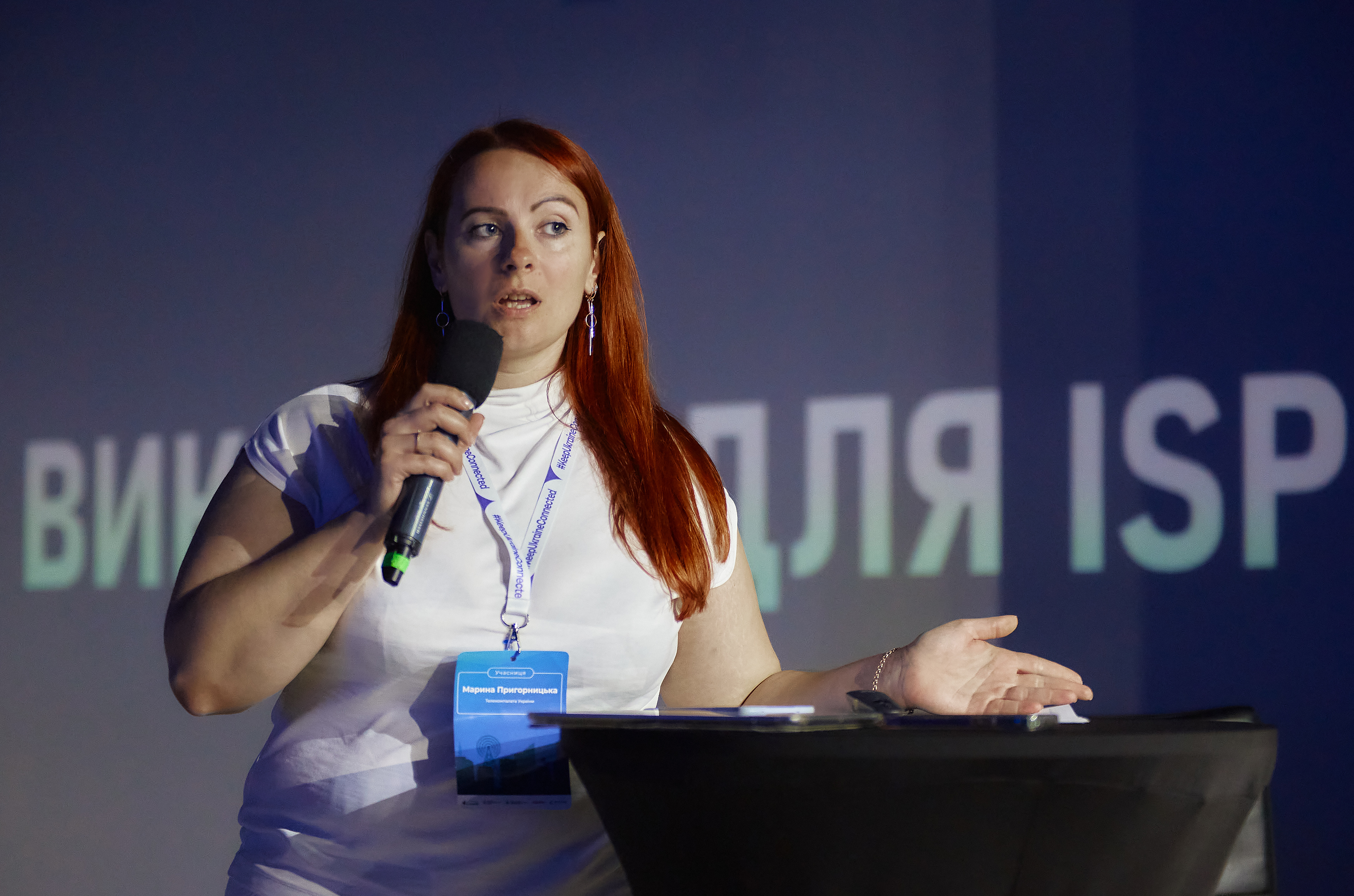
The Director of the Association of Telecommunications Chamber of Ukraine (ATCU), Maryna Pryhornytska, summed up the mechanisms that can help the industry to recover:
- legislative assistance, such as the development of a methodology for the determination of losses and procedures for compensation of costs;
- administrative assistance — priority restoration of power supply and demining of facilities where telecommunications nodes are located, special passes for employees of telecommunications companies for emergency repair work, reservation of management and key employees of electronic communications enterprises during mobilisation;
- financial assistance — providing operators and providers with equipment and cable products free of charge through funds and contributions, providing Starlink terminals to the de-occupied territories and obtaining interest-free loans to quickly restore communication
Canada has become one of the largest international partners that has strengthened Ukraine's defence against cyber threats. During the blackouts, Canada helped Ukraine to purchase batteries to keep optical networks running. Canada has removed preferential tariffs for goods from Russia and Belarus, and is transferring the saved funds to Ukraine to rebuild energy networks.
The event is organized within the framework of the “Digital Emergency Support of Civil Society in Ukraine” project, with the support of the Ministry of Foreign Affairs, Trade and Development of Canada (GAC).
The event was also held with the support of specialist organizations and communities: Association of Rights Owners and Providers of Content (AROPC), Association of Telecommunications Chamber of Ukraine (ATCU), Ukrainian Internet Association (UIA), Hostmaster, LTD, Telecom-kruzhok.
Video recording of the conference broadcast.
Speakers presentations:
- How the state protected communications in Ukraine: Yuriy Matsyk.
- Communication during the war: lessons from the telecommunications industry representatives: Viktoriya Troshchenko, Yuriy Zadoya, Mykola Kucheruk, Tetiana Forsyuk.
- Communication in temporarily occupied and de-occupied territories. Prospects of recovery in Ukraine: Stanislav Prybytko,Dmytro Vitaliev, Oleksiy Semenyaka.
- The needs of the telecommunications industry. Dialogue on international aid for Ukraine: Marcin Kuchera, Natalia Klitna, Maryna Pryhornytska.