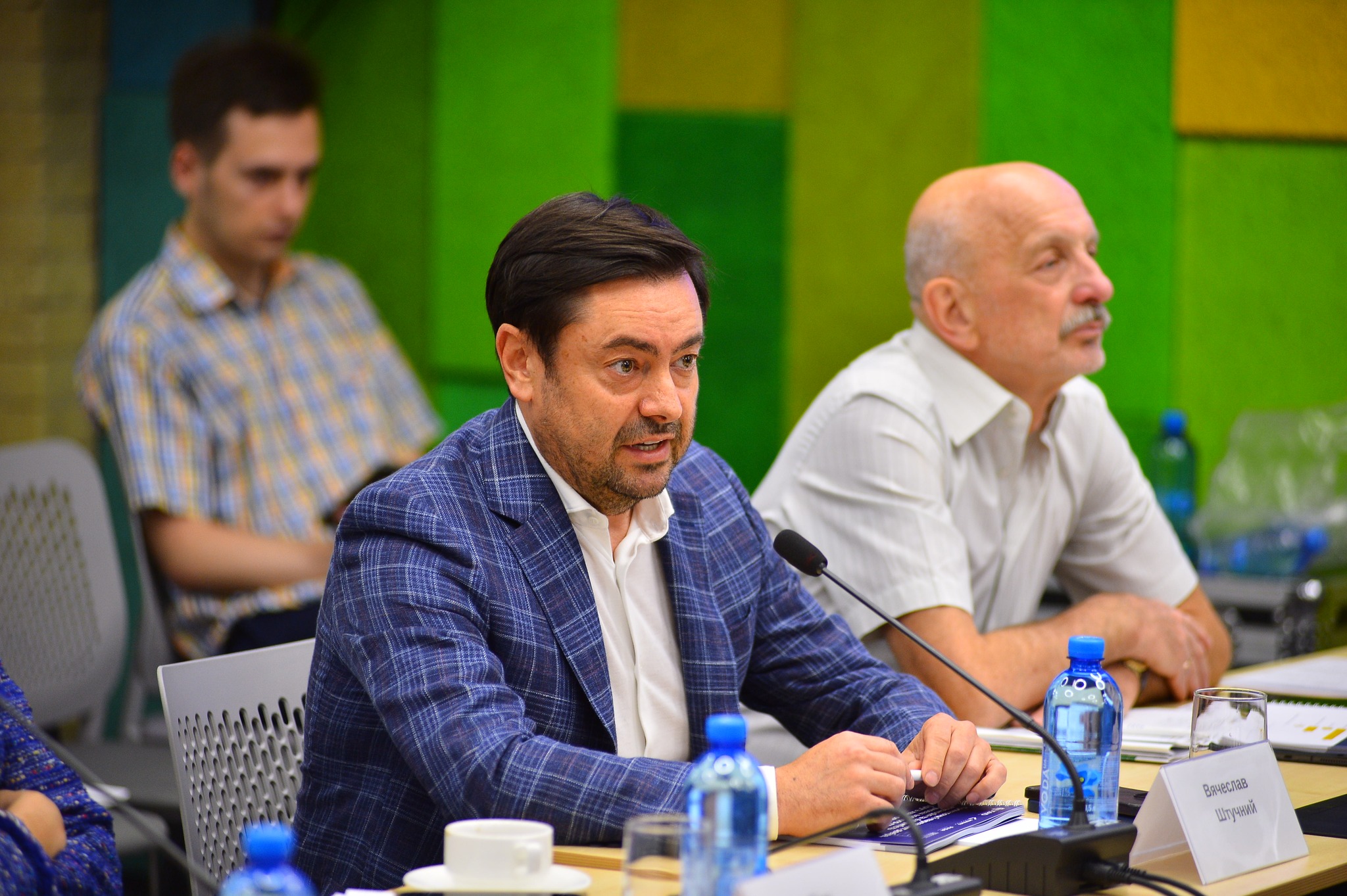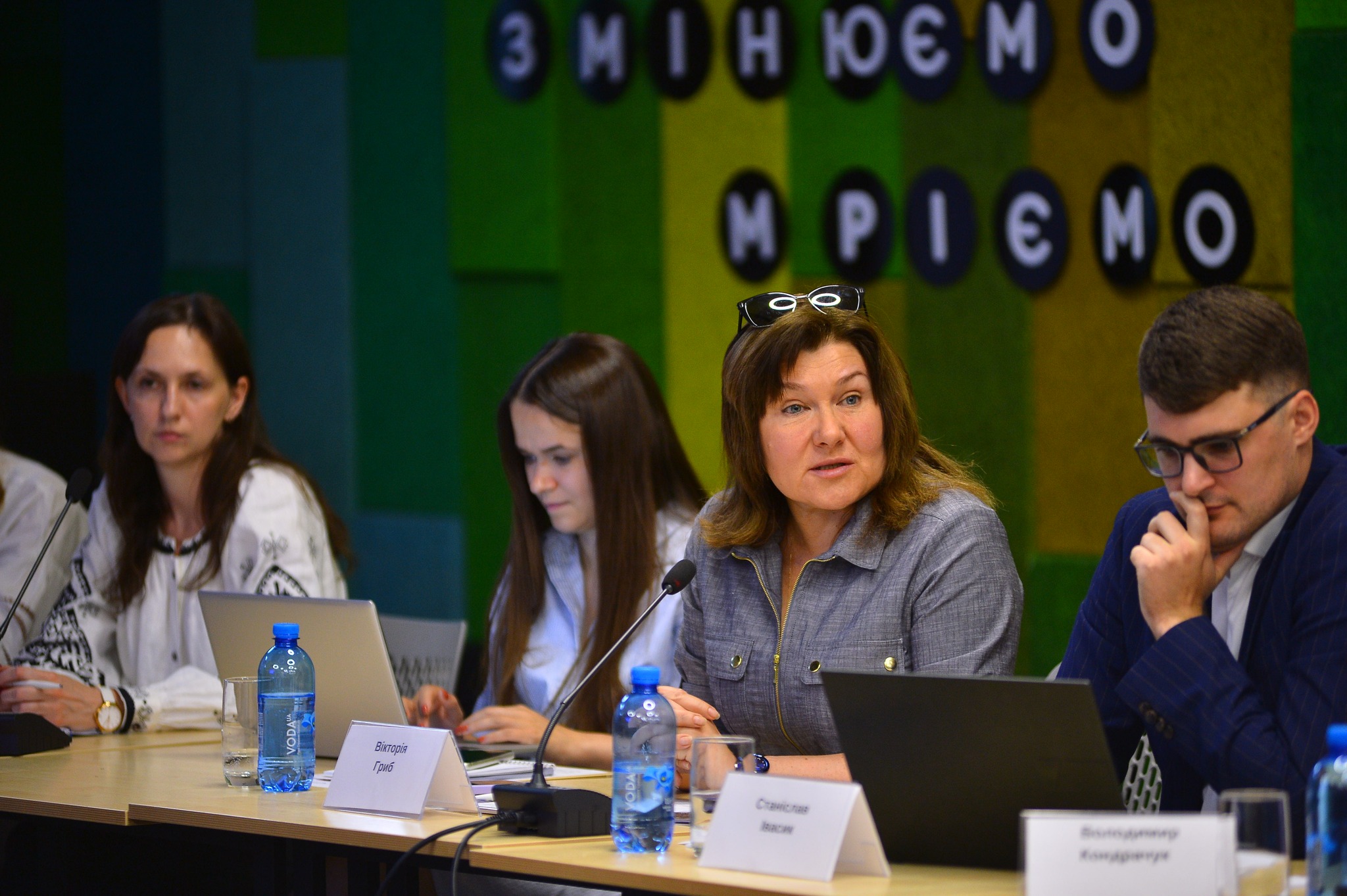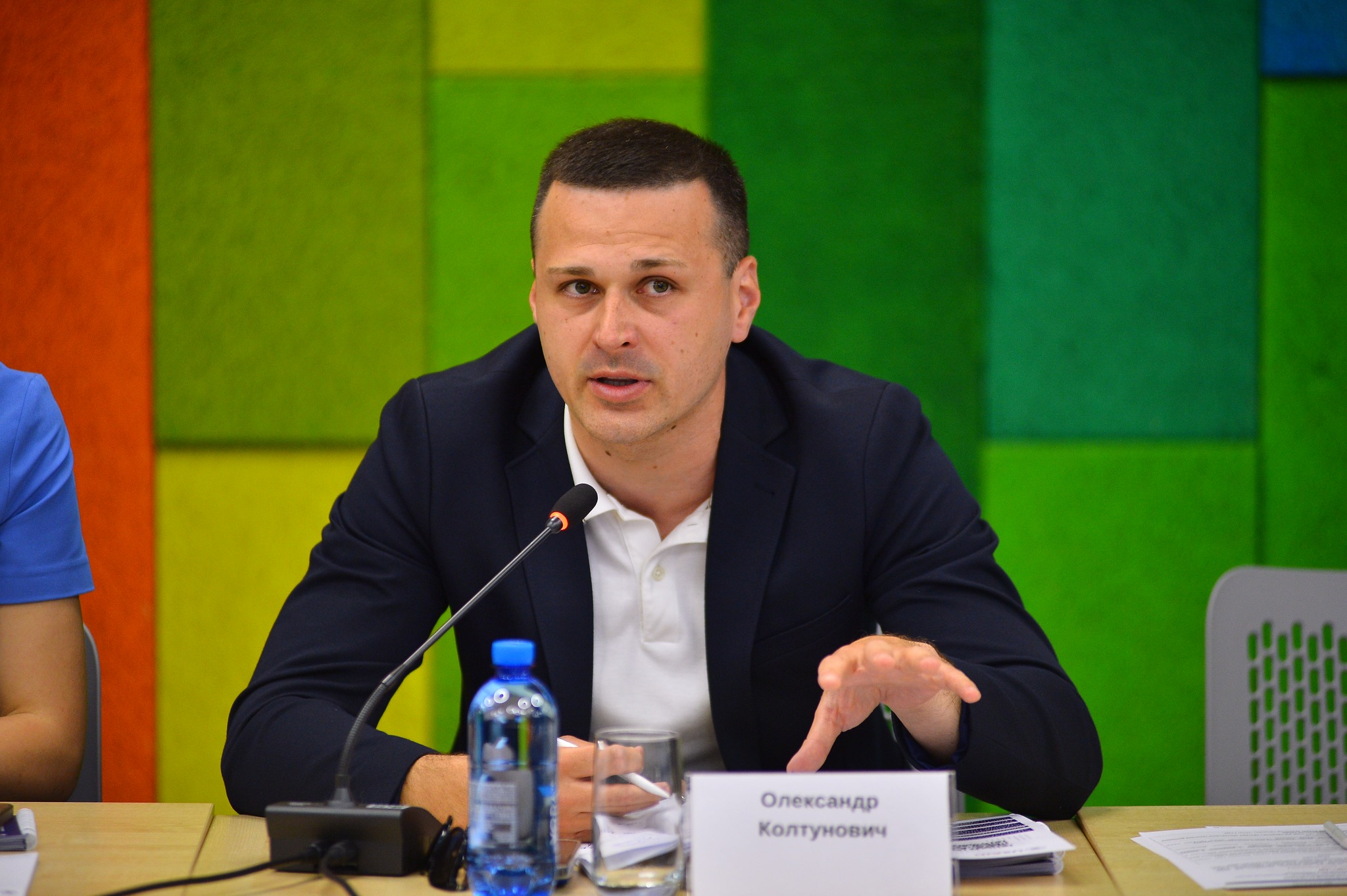
On May 29, USAID RADA: Next Generation organized an International Parliamentary Technical Assistance Coordination Meeting (IPTAC) titled “Parliament in the Time of War: Trust, Interaction, Openness, Legislative Process. Opinion of Citizens and the Expert Community.” Over 70 participants attended, including Ukrainian MPs, representatives of parliamentary Committees and the Verkhovna Rada of Ukraine, experts, international organizations, and the public.
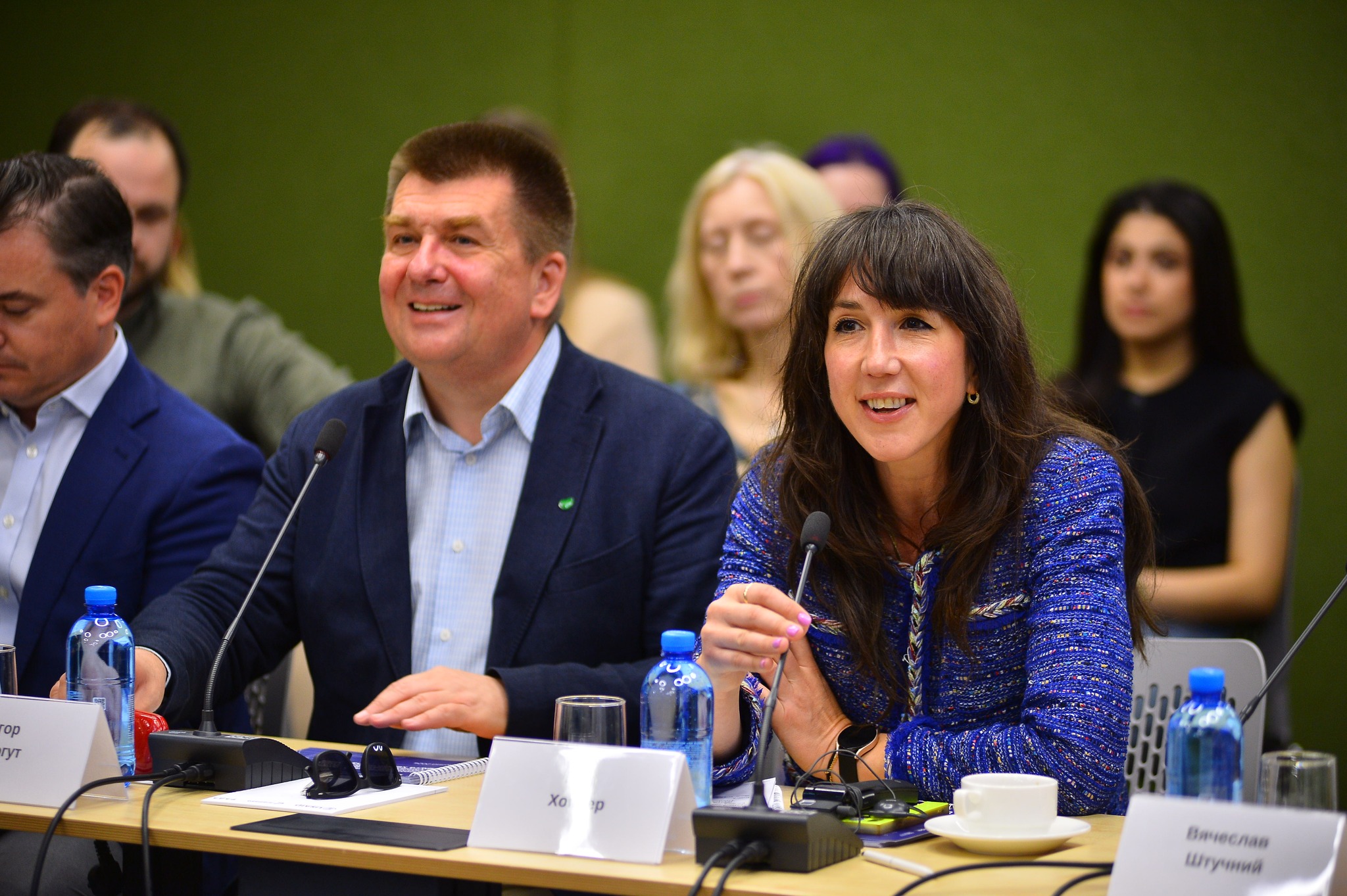
Ann Hopper, Deputy Director of the Office of Democracy and Governance at USAID Ukraine, highlighted the significance of working with the Verkhovna Rada: “It is very valuable for us to work with the Verkhovna Rada, as it not only helps Ukraine bring victory closer but also shapes a democratic, successful, independent European future. It is important to adhere to democratic practices even in such a difficult time of war. We see field meetings, public consultations, the Parliamentary Research Service, and the Education Center engaging more and more people. The Parliament has opened its doors to journalists. However, much work still needs to be done, and we are happy to hear feedback today.”
 During the event, partners from the International Republican Institute (IRI) presented a sociological survey titled “Citizens and Parliament: Trust, Interaction and Transparency under Martial Law,” conducted within USAID RADA: Next Generation framework. Key findings from the survey include:
Michael Druckman, IRI Ukraine Director, explained: “Given the difficult challenges facing Ukraine in the context of the war, the decline in Ukrainians' trust in the parliament is a natural process. At the same time, it is a reminder for MPs that honesty and keeping promises are the key for a parliamentarian.”
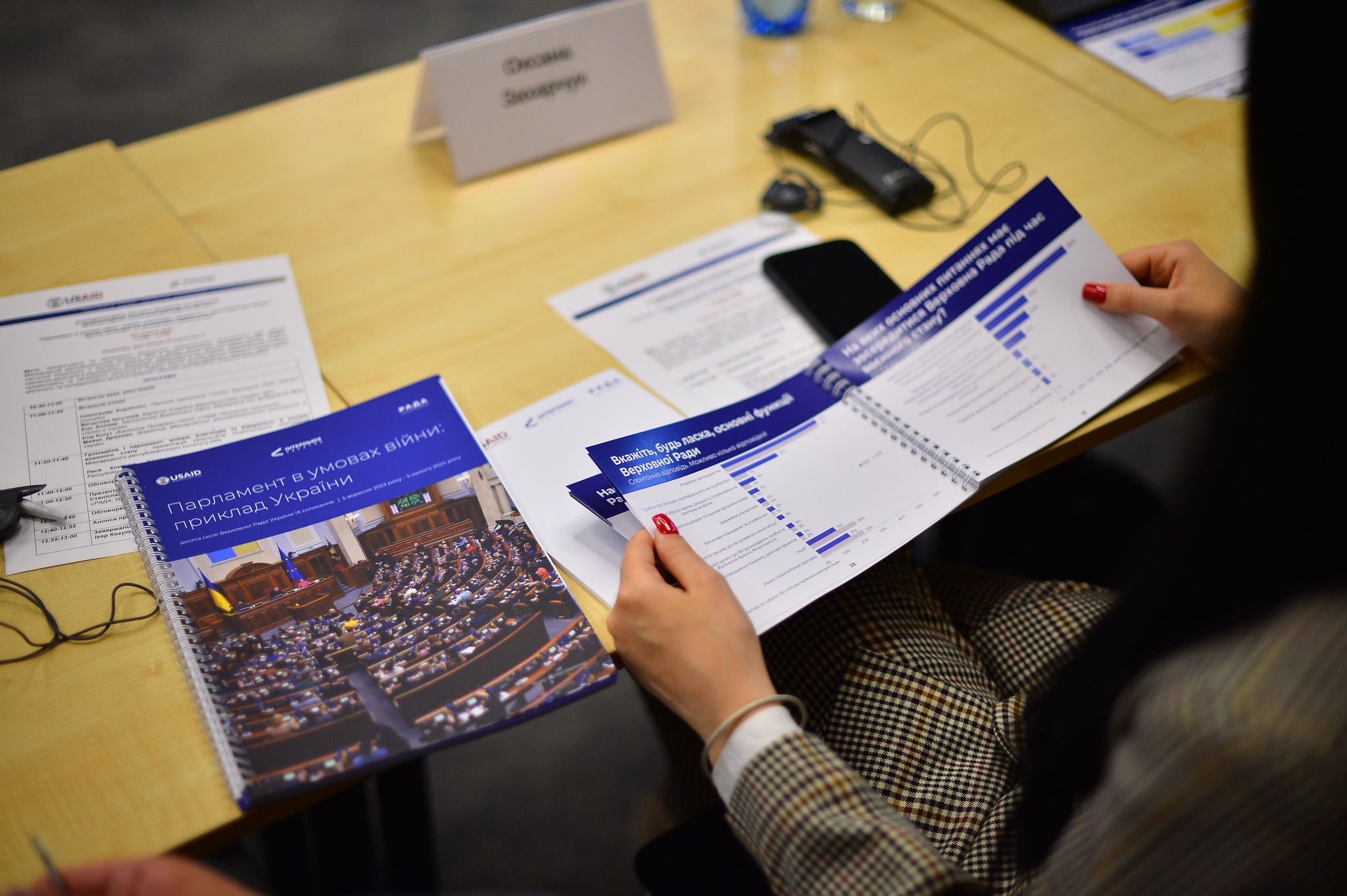
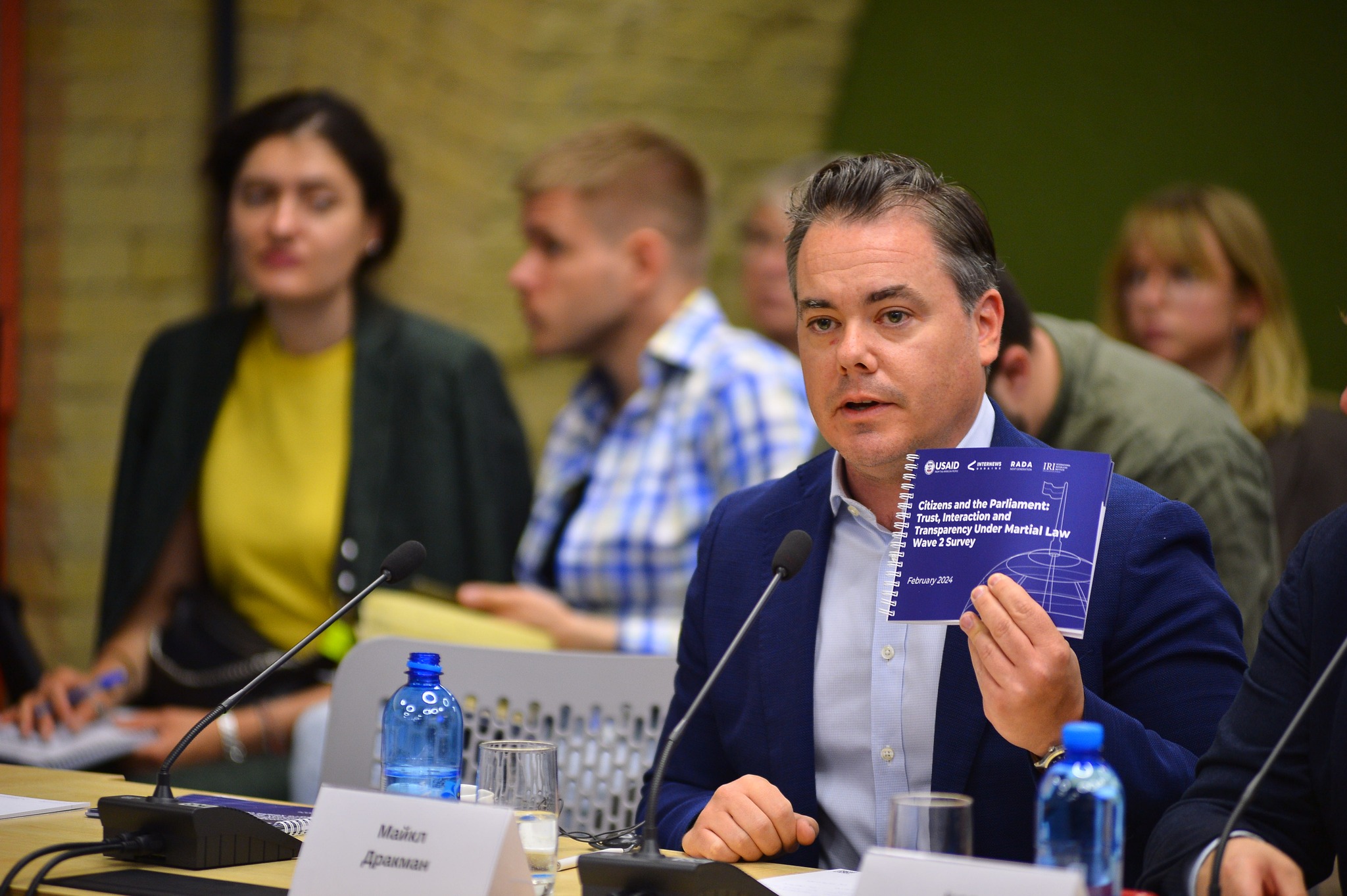 Please see the research on our website for more details on the interaction and communication of Ukrainians with the Parliament, their perception of MPs and political parties, and their vision of current political priorities.
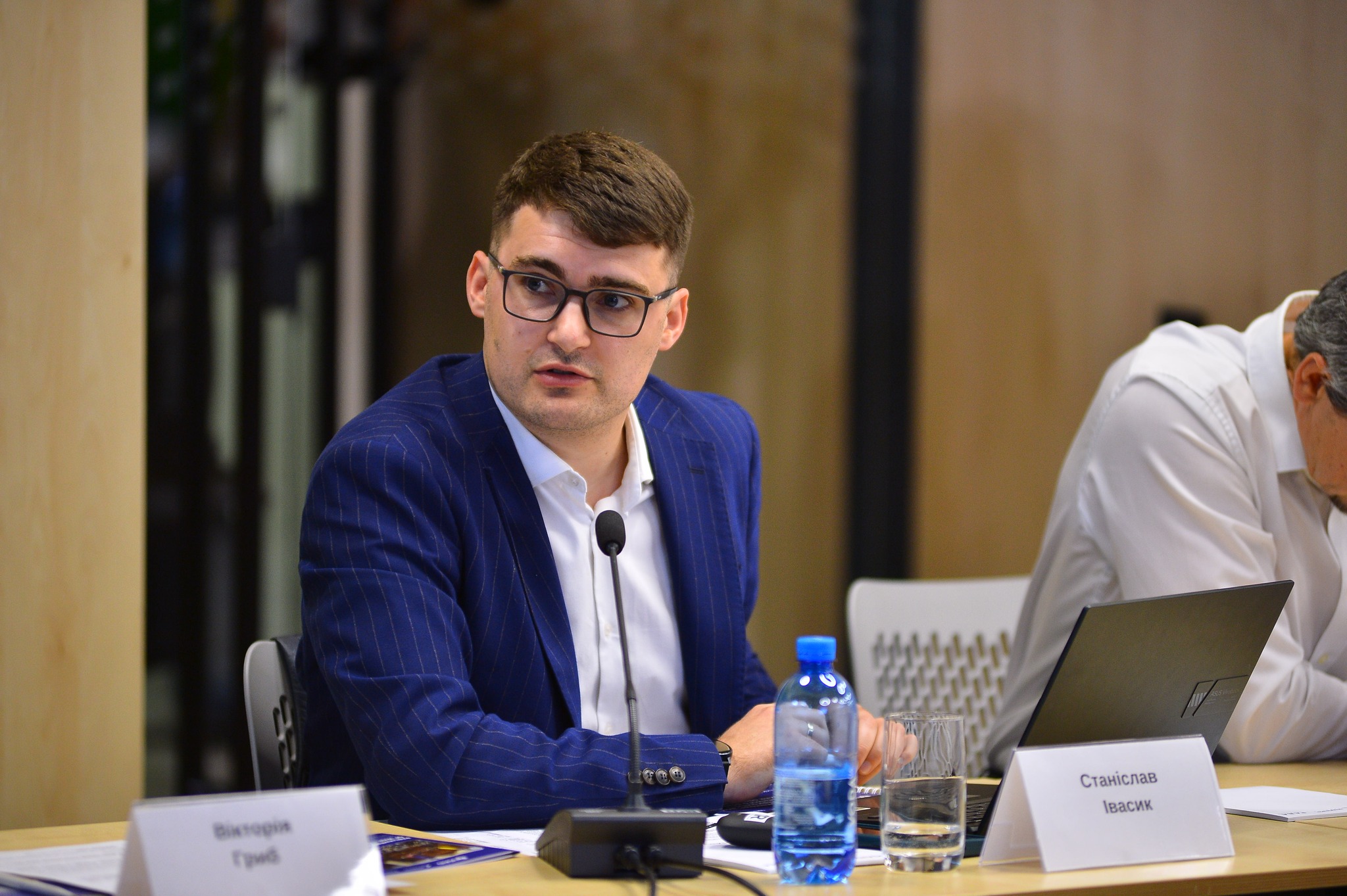
 Also, during the coordination meeting, Stanislav Ivasyk, Head of the Research Department of USAID RADA: Next Generation, presented the Legislative Quality Index for the tenth session of the Verkhovna Rada.
The index for the tenth session was 3.32, the highest score in the last five sessions. The strongest aspect of the legislative process was the level of transparency and adherence to procedures, while the weakest was the quality of expertise and legislative capacity. Detailed results of the index for all criteria are available on our website.
 Participants discussed ways to increase voter confidence and improve the legislative process. MPs and the leadership of the Verkhovna Rada Secretariat also voiced their needs to donors and outlined areas for further cooperation.