
Success stories
Helping MPs communicate with voters during martial law
A Ukrainian MP recently held an unusual meeting with her constituents, where most attendees avoided the cameras, and others kept silent, all fearing potential consequences for loved ones living under Russian occupation in their communities.
The constituents were from Shchastia, a city in Luhansk Oblast seized by Russian forces at the onset of the full-scale invasion in 2022. The aggression not only caused widespread devastation and loss of life, but also severed ties between Ukrainians and their families, communities, and government representatives. Some fled abroad, others became internally displaced, while those trapped in occupied territories continue to await liberation.
“This initiative is crucial to understanding the issues, needs, and challenges faced by the people who entrusted me to represent their interests in the Verkhovna Rada, Ukraine’s Parliament. Each story is unique and incredibly significant,” said Viktoria Hryb, MP for the 105th constituency in Luhansk Oblast, which remains under Russian control.
With USAID’s support, Hryb and other MPs are working to rebuild connections with constituents, ensuring their voices are heard despite the challenges of martial law. The USAID “RADA: Next Generation” Program has developed innovative communication models to strengthen interaction between MPs and voters, with plans to scale these approaches nationwide. “Our efforts will benefit communities across Ukraine,” Hryb emphasized. “I hope this format will yield meaningful social results because we are stronger together.”
The USAID program helped Hryb in conducting a constituency survey and organizing a meeting that included representatives from Parliament, the Luhansk Oblast Military Administration, and the Shchastia community. The meeting provided a platform to jointly analyze the community’s problems and explore potential legislative solutions.
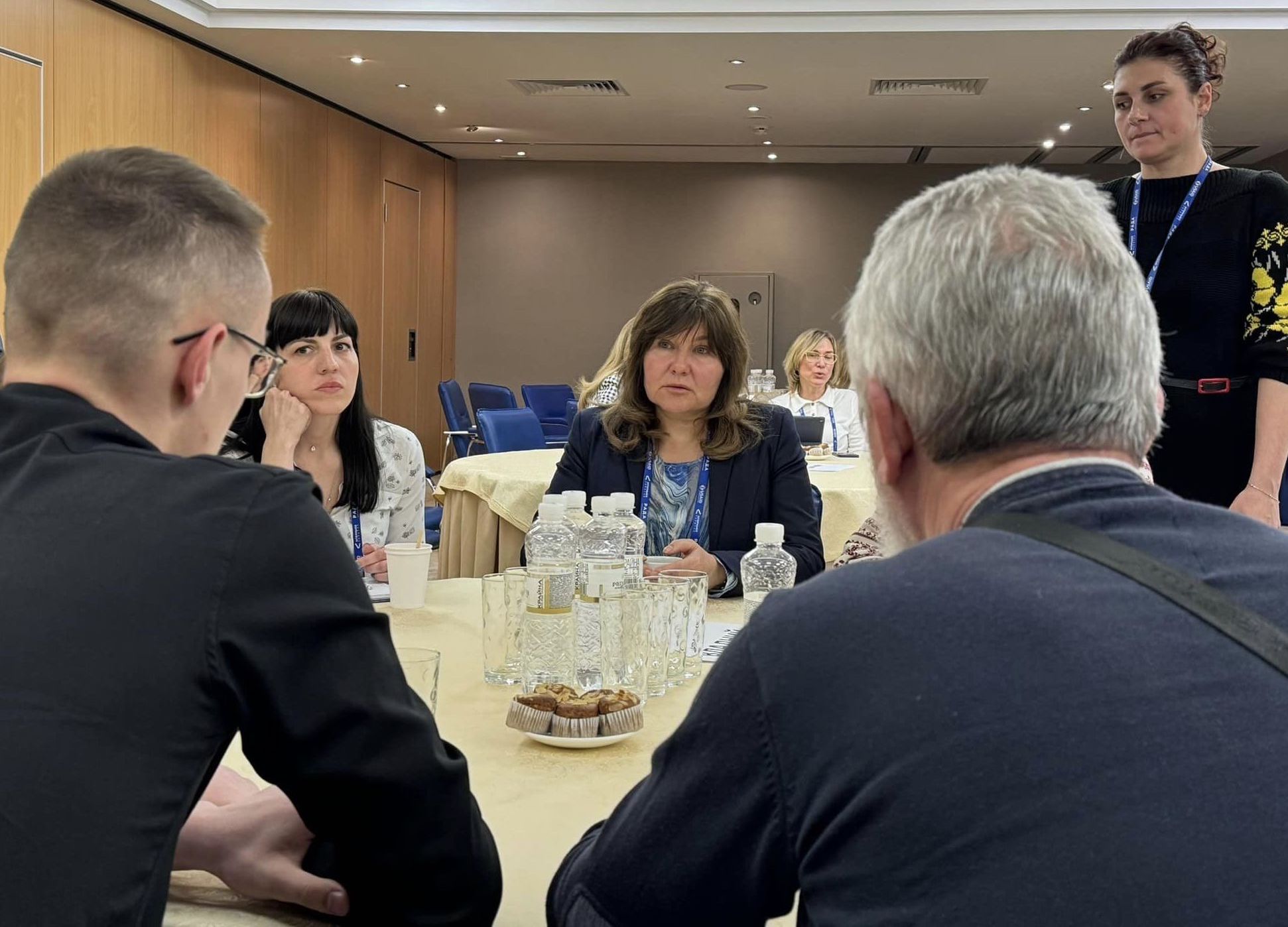
“This meeting was invaluable. We not only gained crucial insights but also had the opportunity to voice our concerns to decision-makers,” shared Hanna, a displaced resident of Shchastia. “For example, MP Pavlo Frolov, chair of the Verkhovna Rada’s Special Commission on IDPs Issues, found out that we cannot receive compensation for undamaged property in occupied territories. We are eager for new legislation to address this.”
Hanna, along with her husband Dmytro and their two children, fled Shchastia just days before the full-scale invasion. Their decision came after intense daytime shelling and news of Putin’s recognition of self-proclaimed republics. Their journey into displacement brought challenges—finding housing and employment, adjusting to new communities, and starting over.
Dmytro considers any assistance to be a lifeline for IDPs who have lost everything. He enthusiastically recounted how the meeting with Hryb helped them secure a laptop for their children’s education: “Online learning through a phone isn’t feasible. A computer was essential. We raised this with Ms. Hryb, and she directed us to resources.” Beyond material support, he noted the significance of emotional backing for displaced families.
Recent findings from the survey “Citizens and Parliament: Trust, Interaction, and Transparency Under Martial Law,” conducted under the USAID “RADA: Next Generation” Program, reveal that 90% of Ukrainians believe MPs should prioritize meetings with their constituents. Additionally, over a third of respondents expressed a desire for both online and in-person interactions with their MPs.
Yet, many voters still feel disconnected. Over half of survey respondents cited the absence of regular interaction with their MPs, and 85% were unaware of their representatives’ legislative activities. To bridge this gap, the USAID program facilitated ten constituency meetings and four roundtables in different regions of Ukraine. With the help of professional moderators, MPs addressed community challenges while engaging stakeholders.
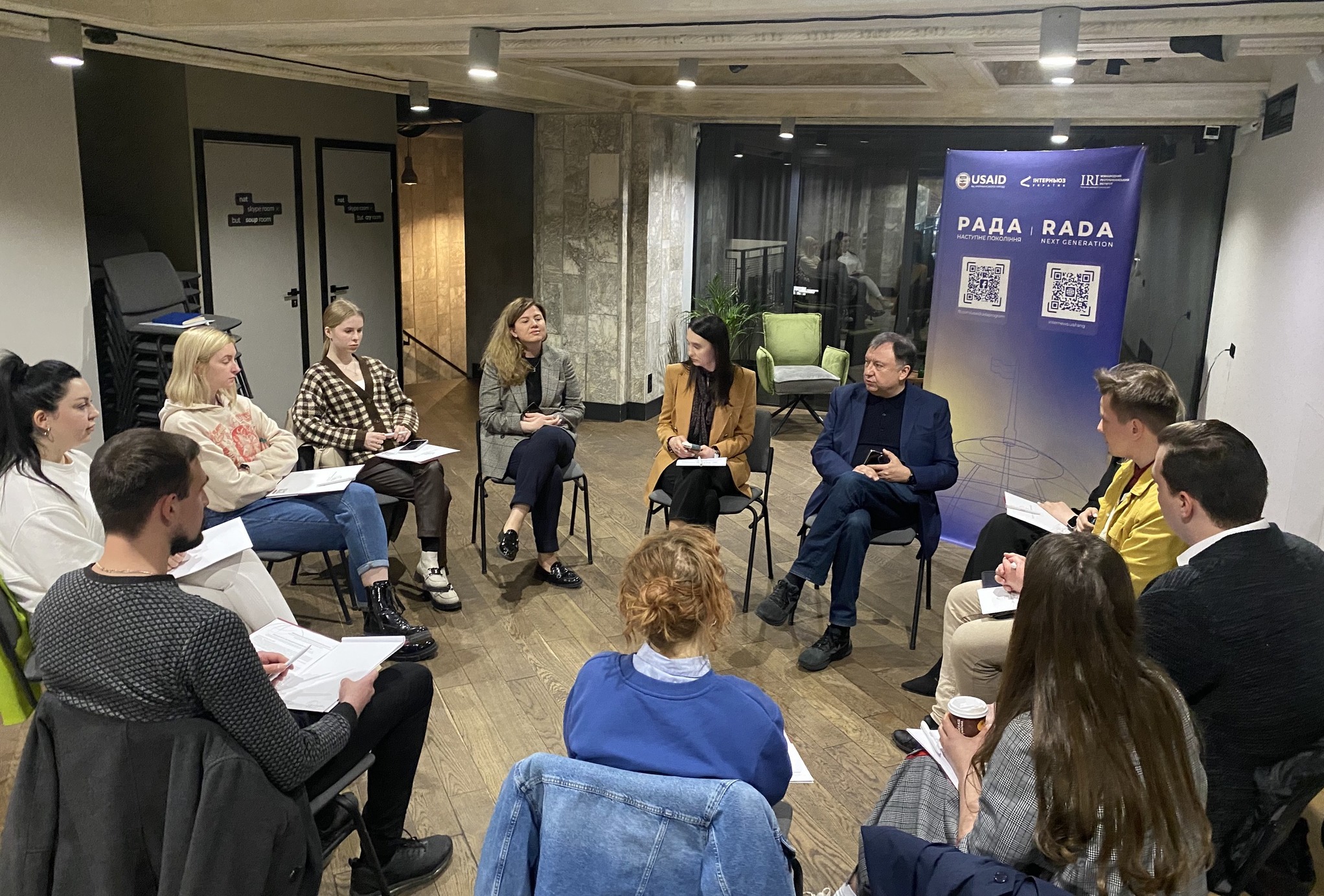
“These meetings enable us to understand constituents’ needs while sharing our legislative initiatives. Together, we can tackle pressing issues,” said MP Mykola Kniazhytskyi.
In several cases, these dialogues led to tangible legislative changes. After engaging with youth in Vinnytsia, MP Yuliia Ovchynnykova championed border-crossing reforms, enabling some students to pursue academic opportunities abroad during martial law. As a result of those meetings, MP Oksana Savchuk drafted a bill on medical self-governance, while MP Ihor Fris addressed constituents’ concerns about military service regulations, inheritance laws, and social protections for servicemen and their families.
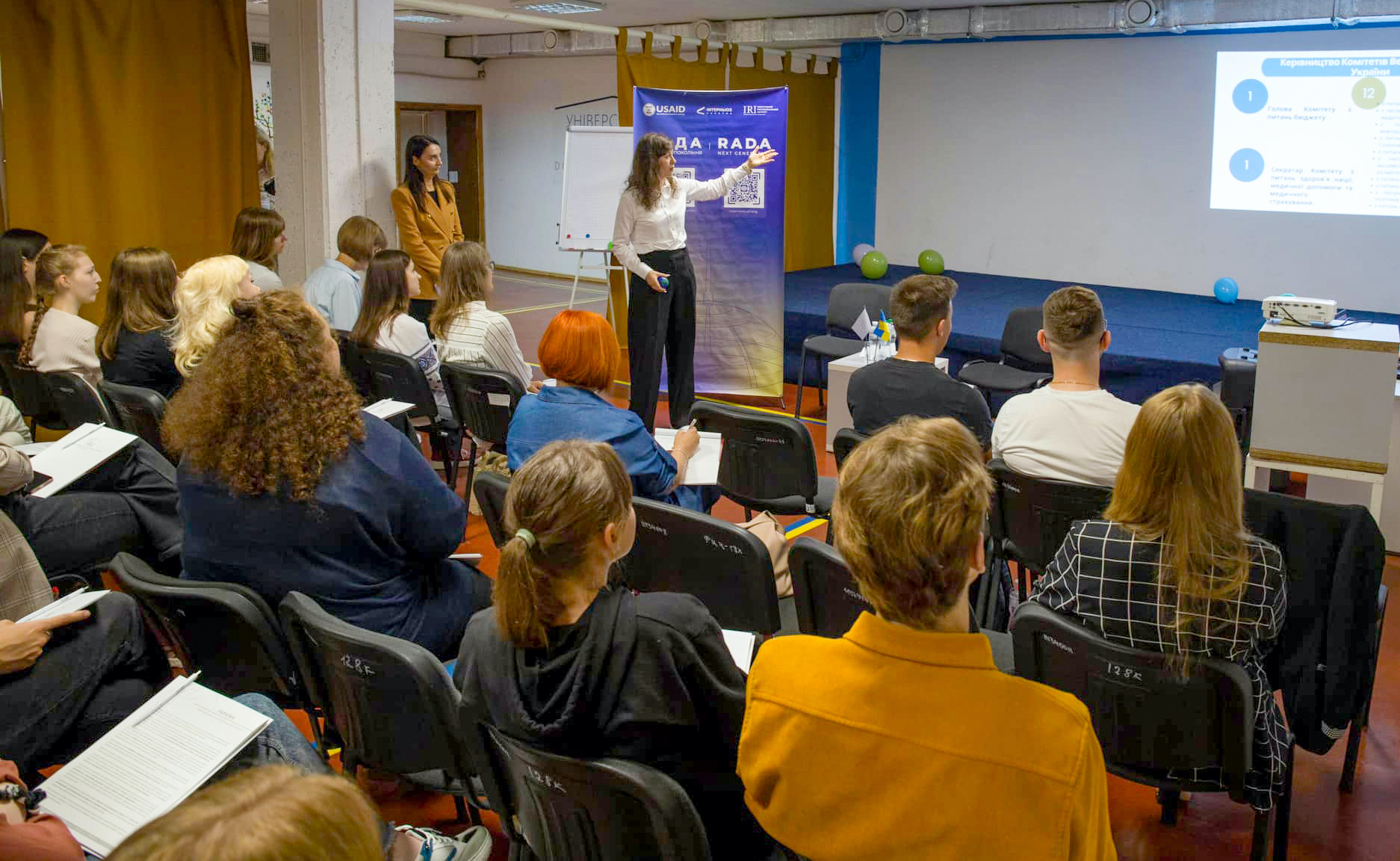
“Communication with constituents is essential for MPs to fulfill their roles. Voters effectively set the political agenda for their representatives,” said MP Oleh Dunda. His colleague, Yulia Ovchynnykova, echoed this sentiment: “Our strength lies in synergy with the voters.”