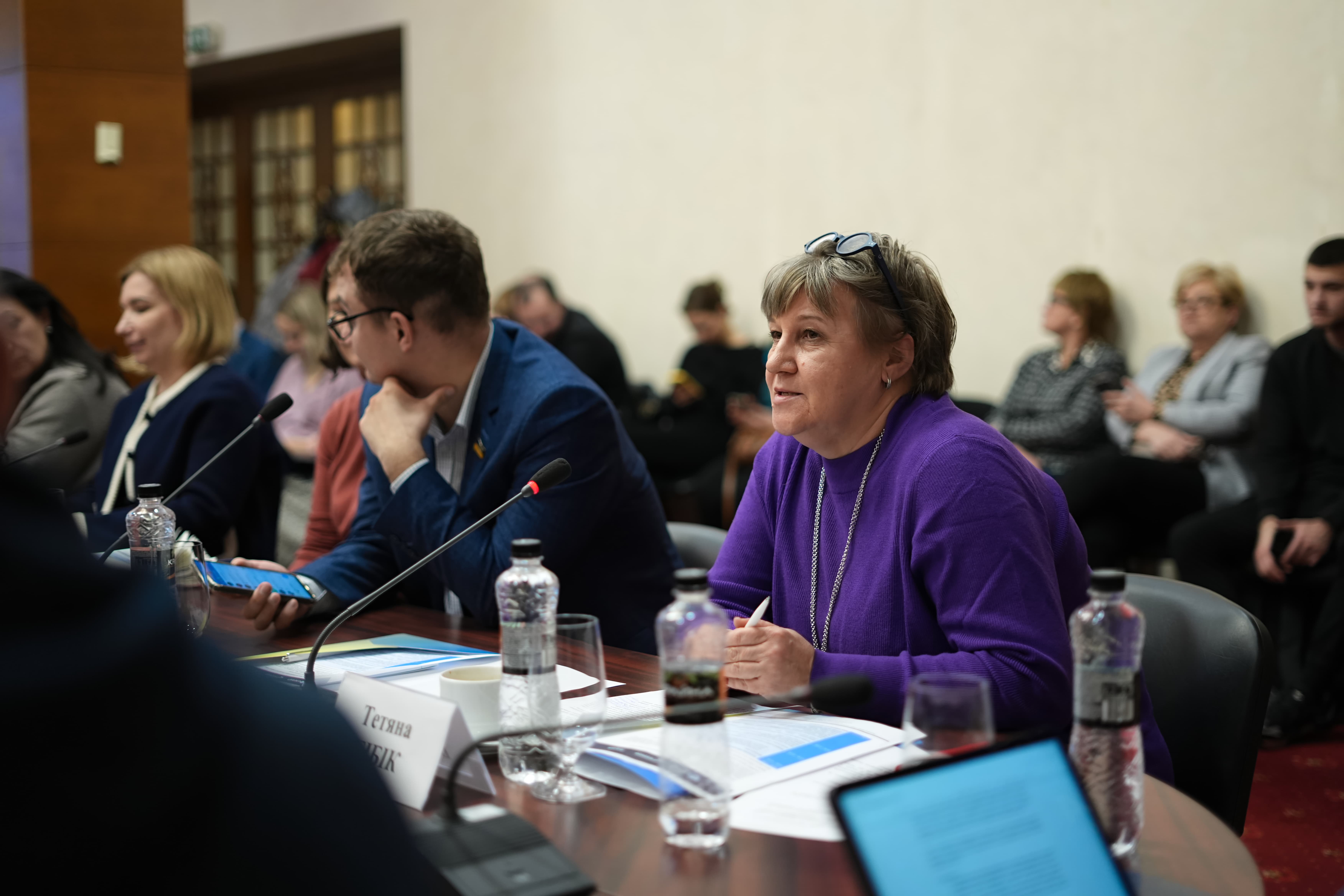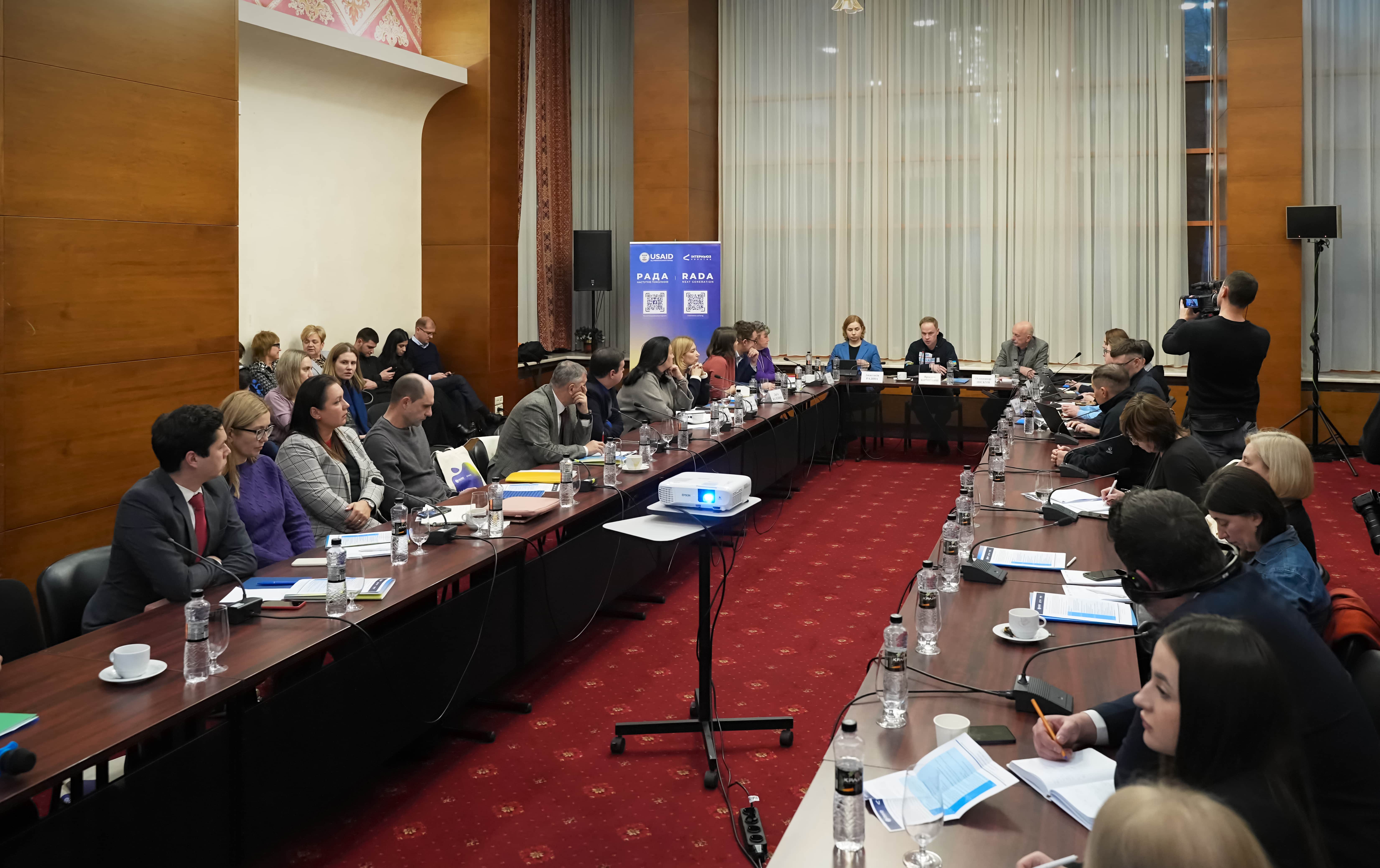
With the support of the USAID RADA Next Generation Program, the Verkhovna Rada Committee on Freedom of Speech organized a discussion titled “Open Verkhovna Rada: Toward International Standards in the Time of War,” bringing together MPs, journalists, representatives of diplomatic missions, media, and the public.
Oleksandr Piskun, Democracy and Governance Program Manager at USAID Ukraine, emphasized: “The openness and transparency of the parliament is one of the features inherent in a democratic country, without which it is impossible to ensure public support. No parliament has faced such a war in the 21st century, so we can become a model of how to respect freedom of speech under martial law.”
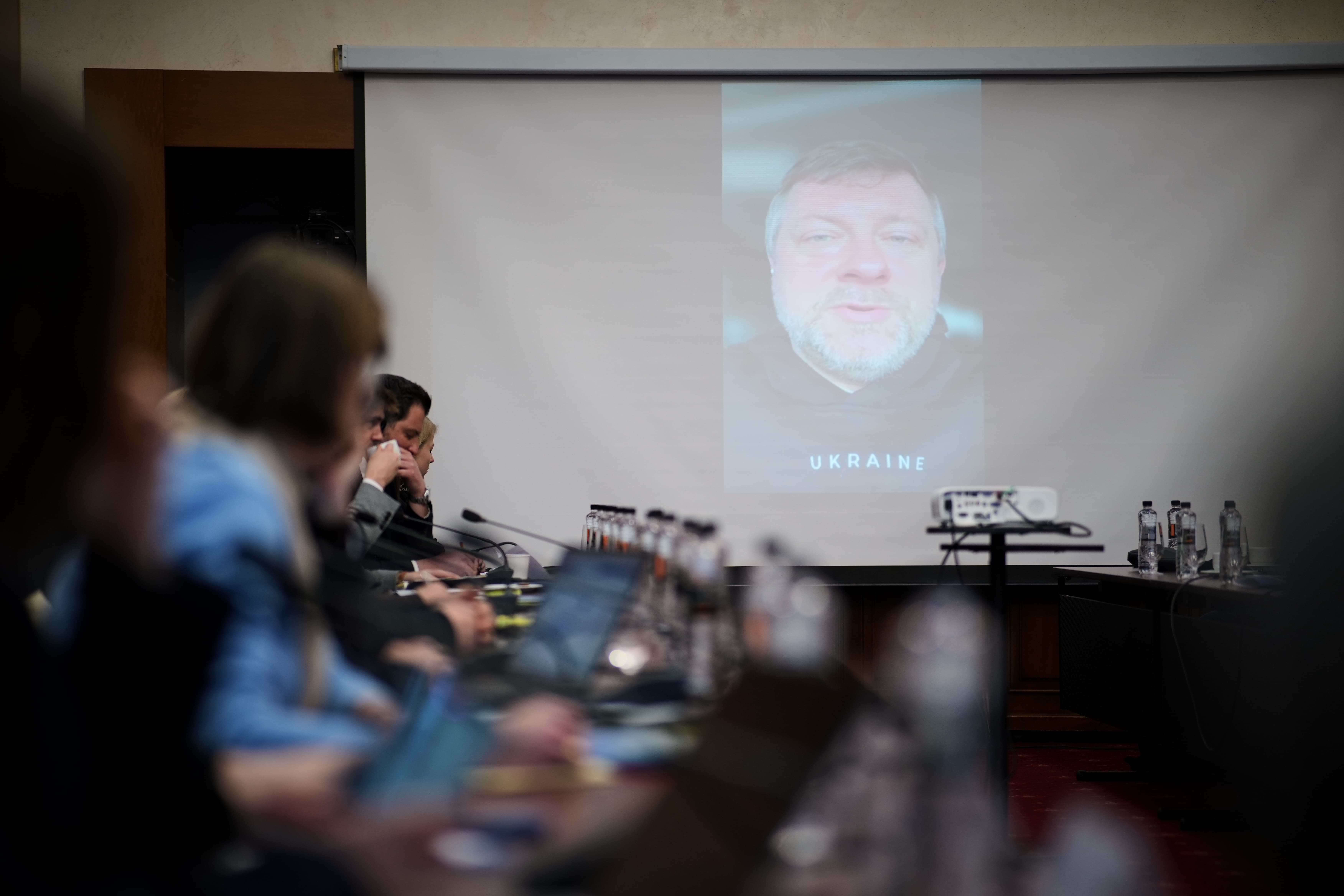
First Deputy Chairman of the Verkhovna Rada, Oleksandr Korniyenko, highlighted the security challenges posed by the full-scale invasion while acknowledging the need for further steps to increase openness, particularly in committee operations.
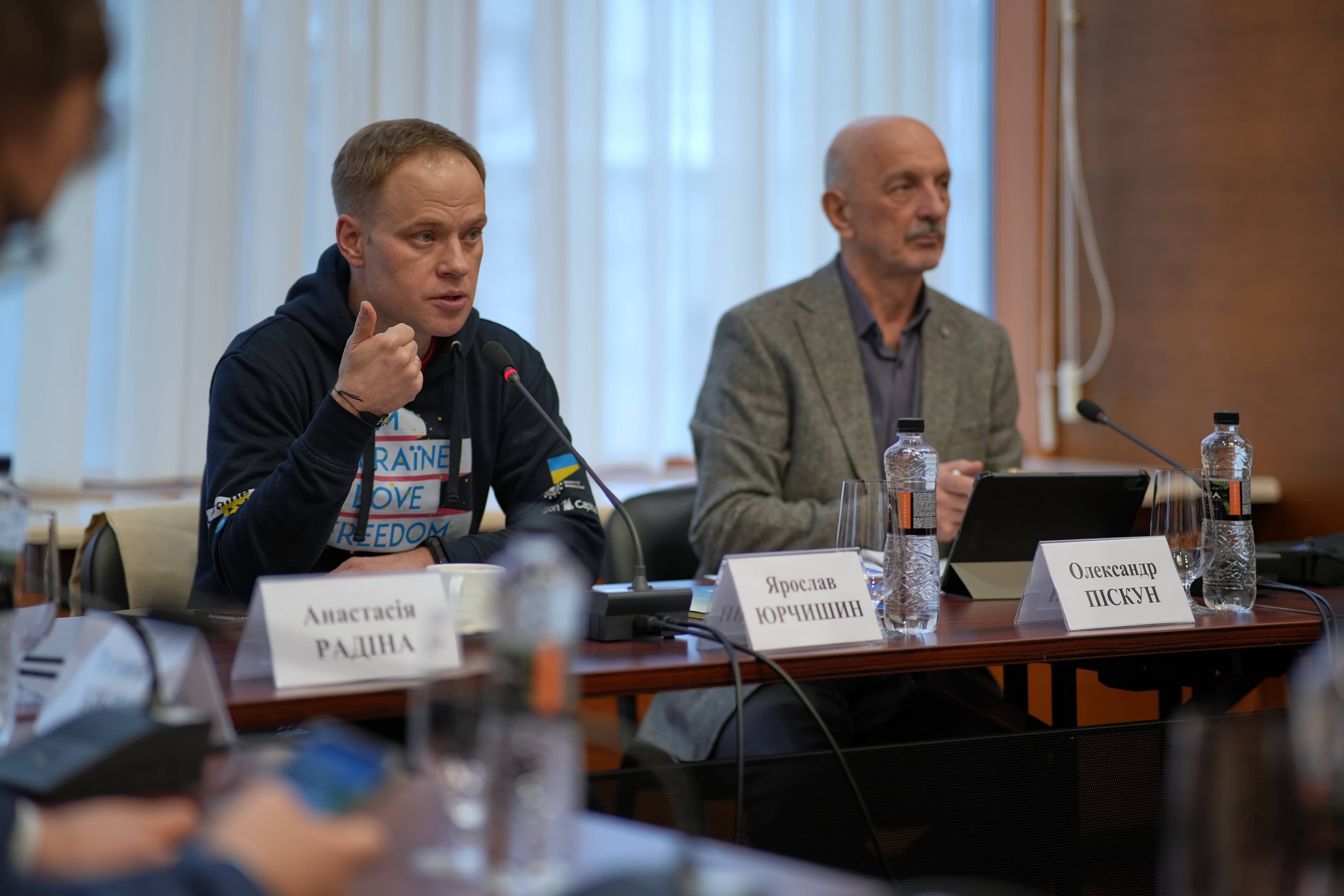
Yaroslav Yurchyshyn, Chairman of the Freedom of Speech Committee, stated: “The Verkhovna Rada would strengthen its subjectivity by increasing the level of openness. The adoption of draft law No. 11321 can help with this: ‘It should address two issues: first, to improve the system of access for journalists in times of war; second, to establish a single standard of openness of committees, including the advance posting of agendas, providing information about meetings 24 hours in advance, involving members of the public and journalists whenever possible.’”
Ivanna Klympush-Tsintsadze, Chair of the Committee on Ukraine's Integration into the EU, linked transparency to European integration, emphasizing: “The Fundamentals cluster is about the rule of law, it is about the rights and freedoms of people, it is about the balance of power, it is about freedom of speech, and it is obviously about the openness of the parliament, about the accountability of the parliament, it is about the transparency of all those things that happen in the parliament.”
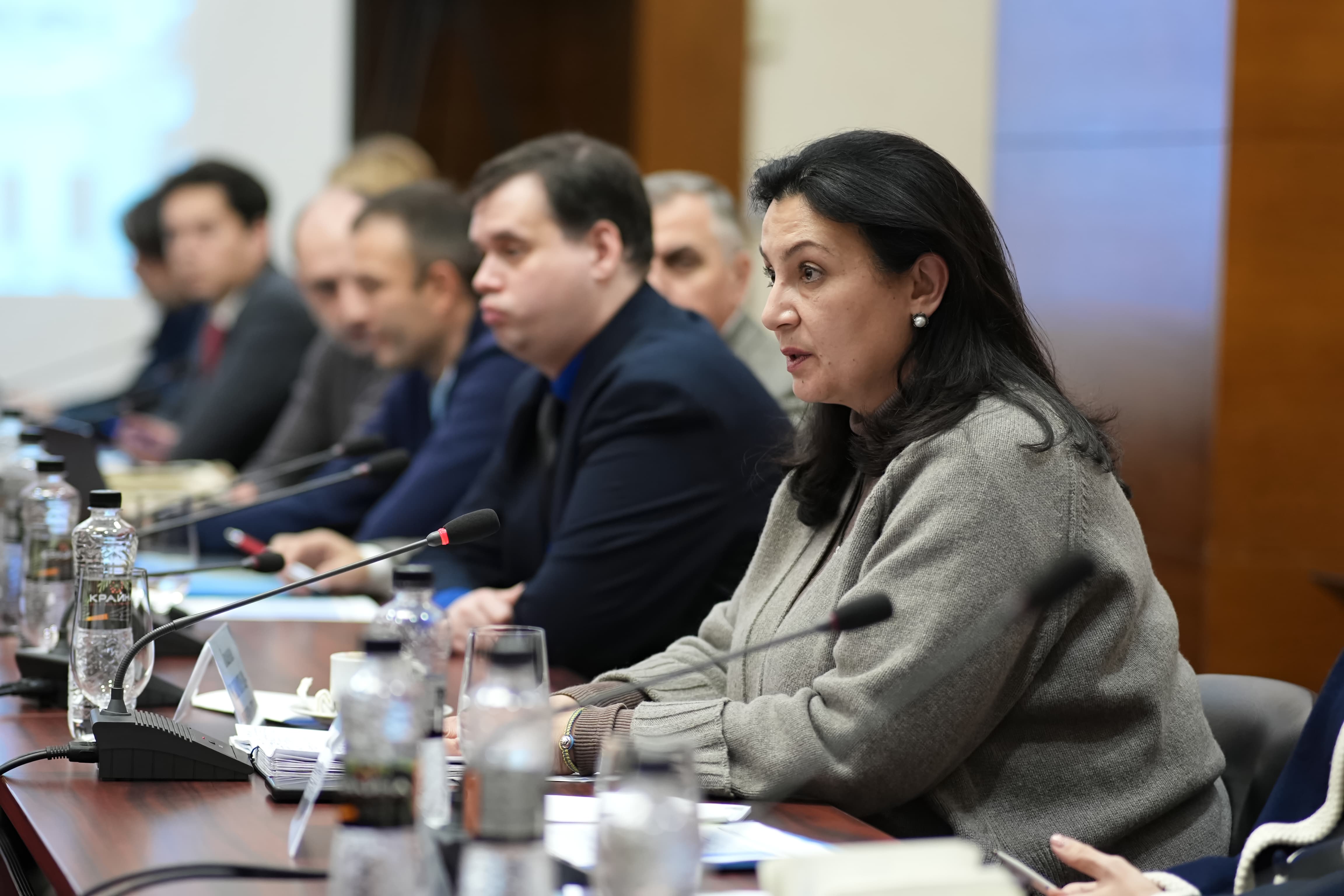 Media representatives also underscored the importance of transparency. Oksana Romaniuk, Director of the Institute of Mass Information, remarked: “Closedness promotes disinformation: there are a lot of manipulations and fakes. This is possible because there is no transparency. Openness is not a whim of journalists, but a guarantee of trust.”
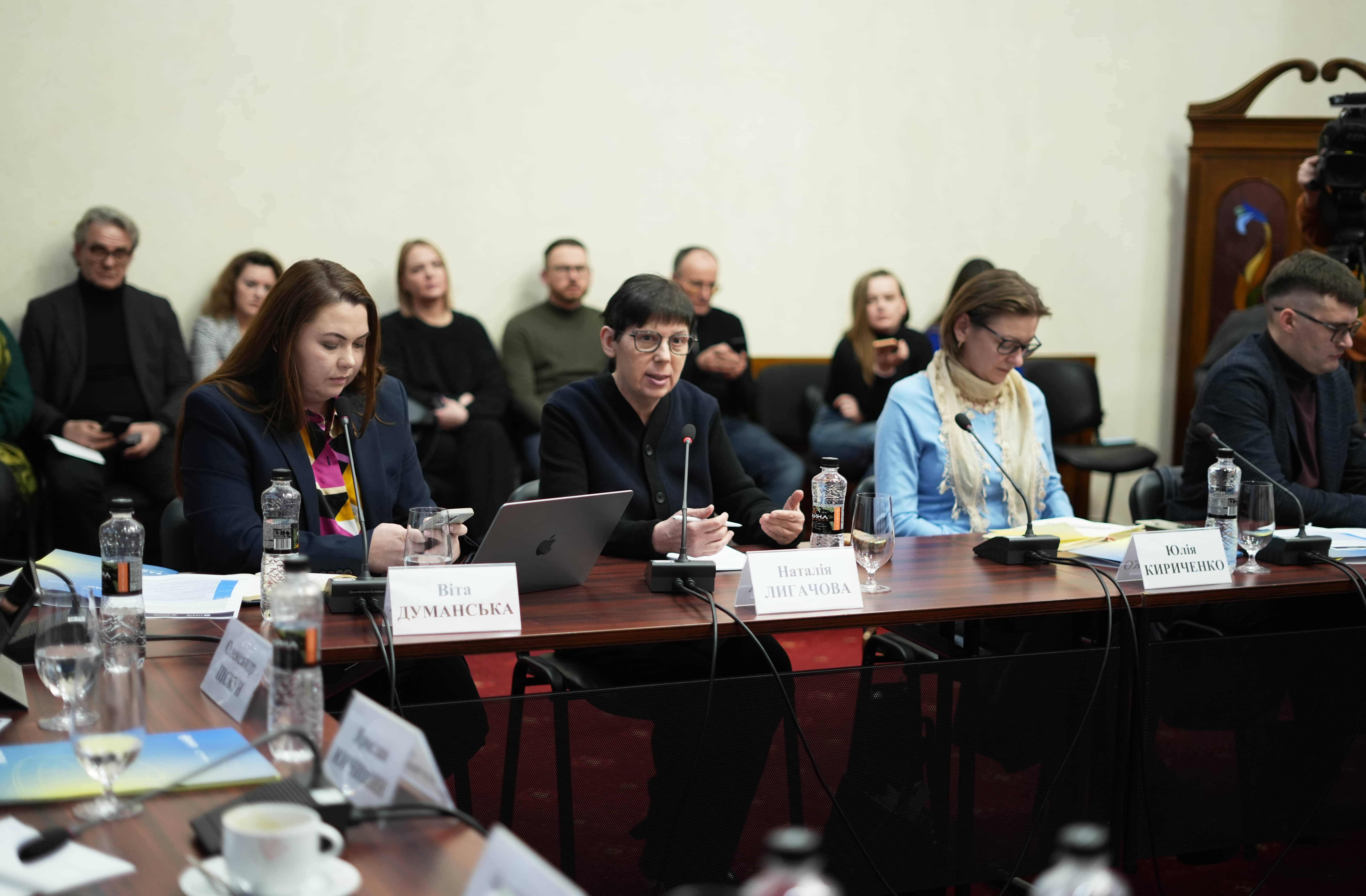
Natalia Ligacheva, Editor-in-Chief of Detector Media, noted the negative effects of restricted access: “Analytical journalism suffers from restrictions, and the decline in trust in the parliament negatively affects trust in all branches of government.”
 The USAID RADA: Next Generation Program continues to support parliamentary committees in fostering openness and engaging stakeholders to ensure transparent governance.