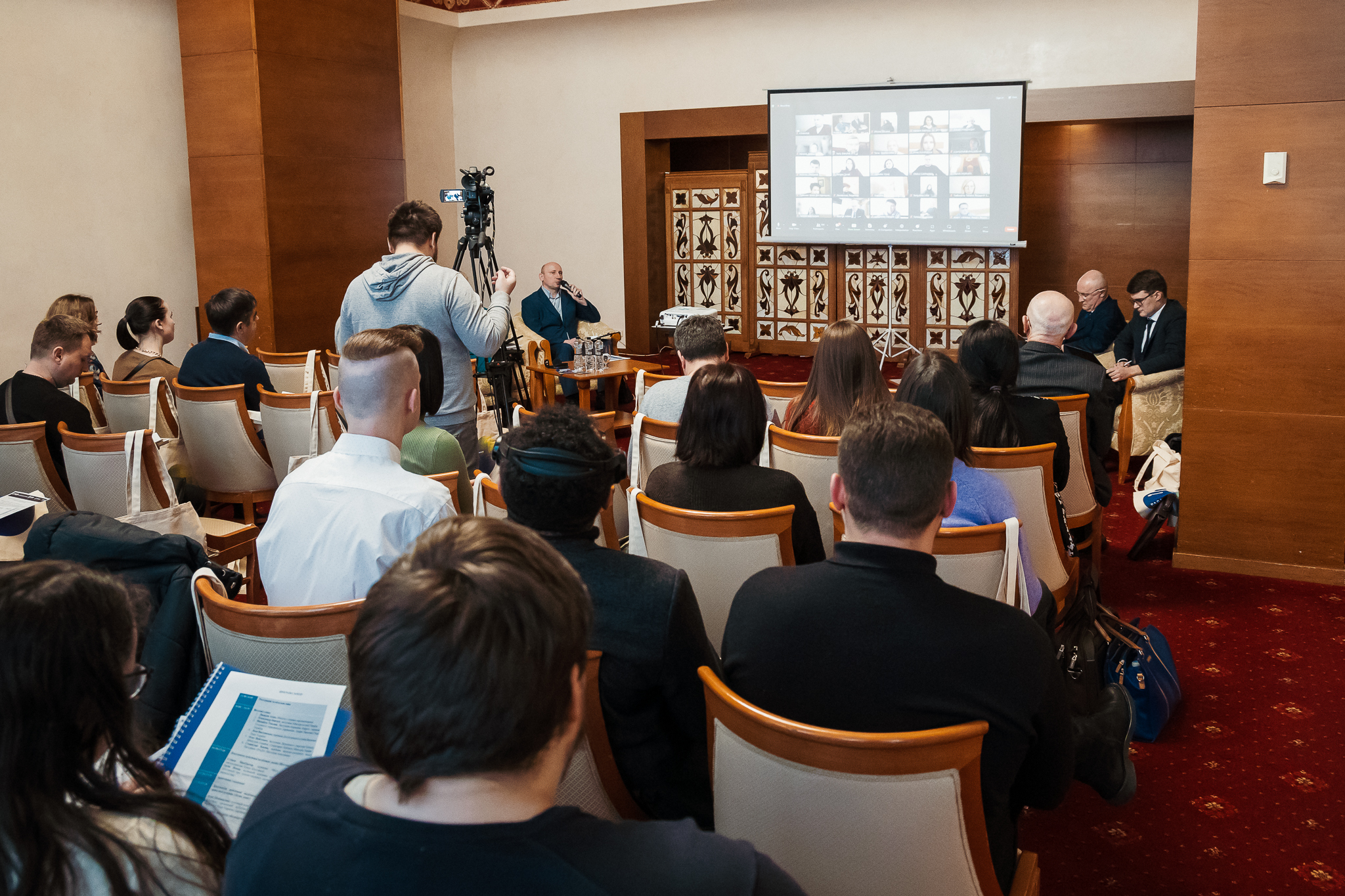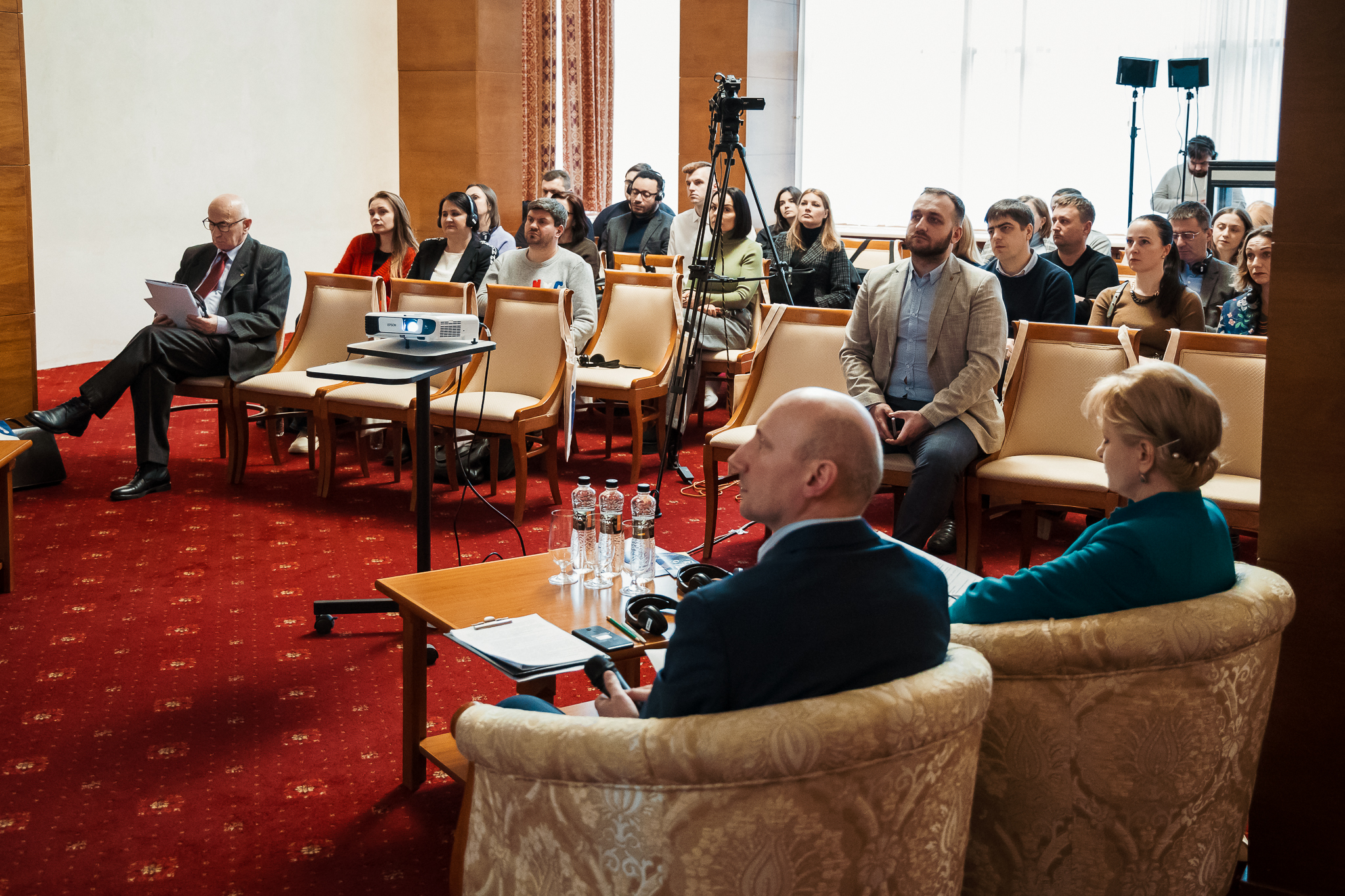
On March 13, USAID "RADA: Next Generation" Program, in cooperation with the Research Service of the Verkhovna Rada of Ukraine, organized a public discussion, "Policy Papers in the Legislative Process: Scottish Practices," which was attended by over 160 people, including representatives of the Verkhovna Rada of Ukraine, the Cabinet of Ministers of Ukraine, experts and the public.
In their welcoming speeches, the invited guests emphasized the importance of public papers and public consultations:
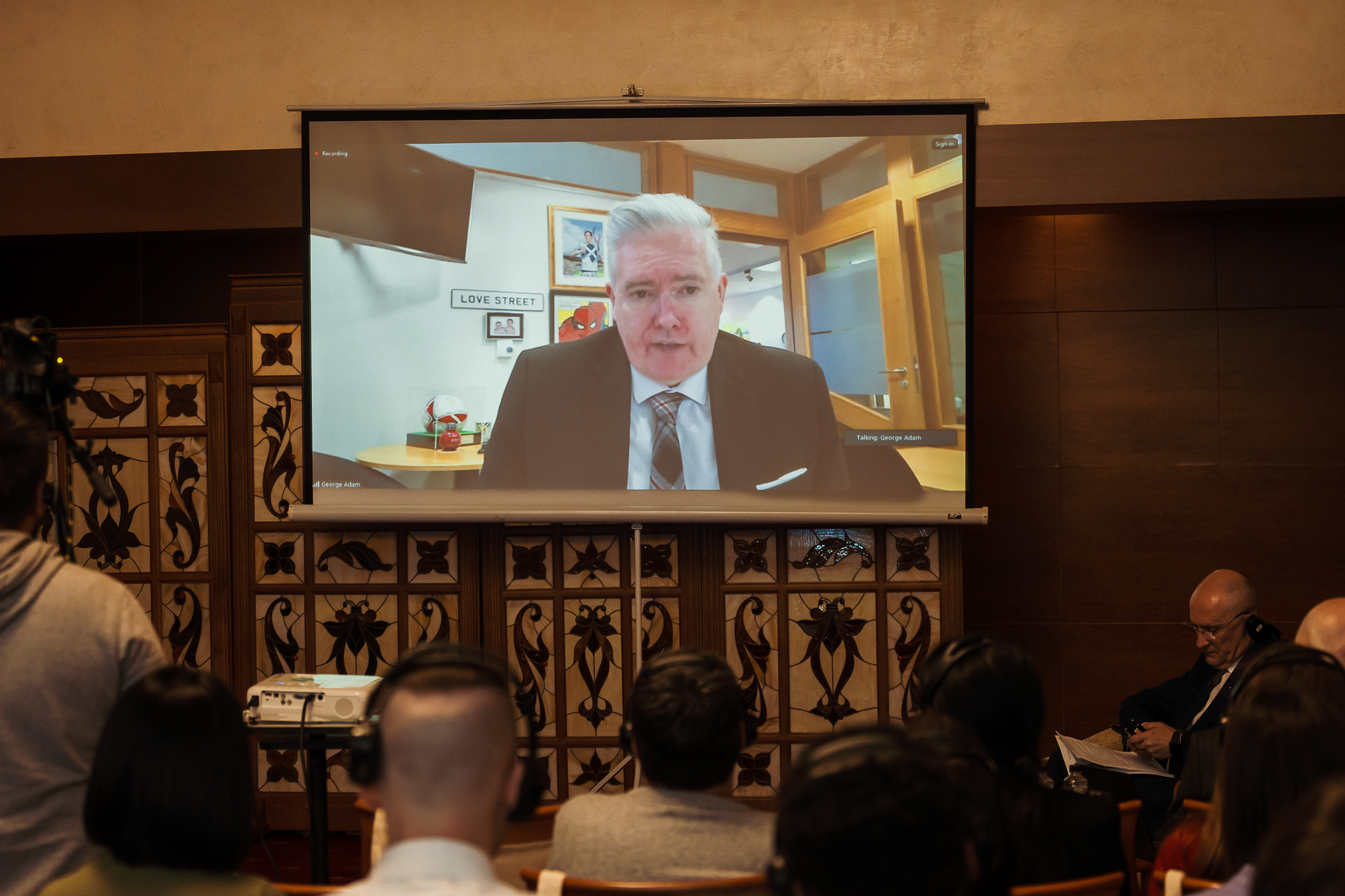
George Adam, Minister for Parliamentary Affairs of Scotland: "In the Scottish context, public consultation and stakeholder engagement are vital to the development of legislation. The consultation gives the parliament confidence in its policies. However, government consultations are not the only way for citizens to share their views on legislation. The Scottish Parliament's committees also organize consultations to check the effectiveness of laws and exercise scrutiny."
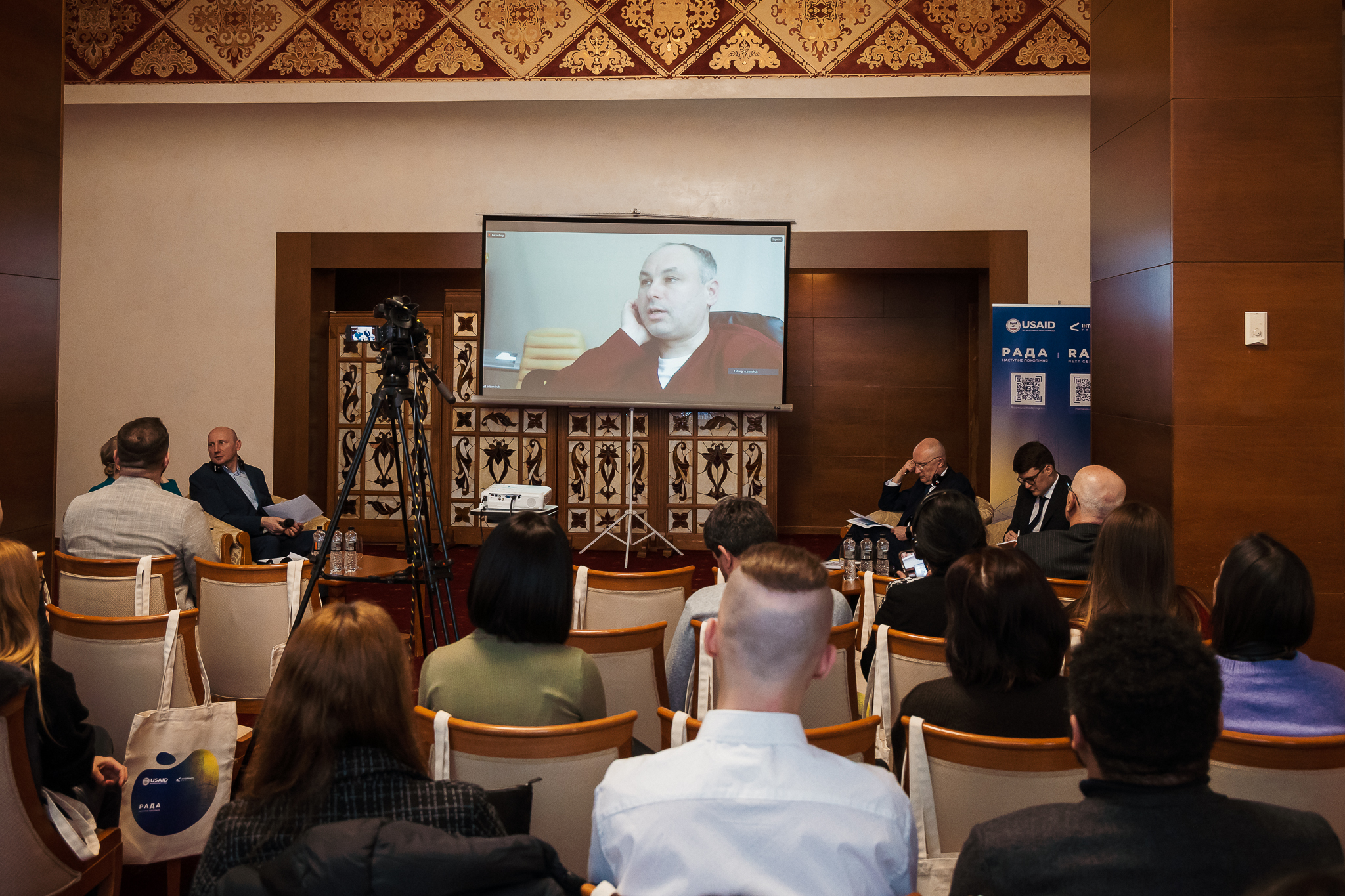
Oleksandr Banchuk, Deputy Minister of Justice of Ukraine: "We are working to ensure that the policy-making process in Ukraine meets European standards. Therefore, the experience of foreign countries is important to us. This process involves public consultations. It is important that the relevant draft law is being considered by the Parliament, which was prepared with the participation of scientists and public experts. We hope that it will be adopted this year. So far, there has been no such regulation at the level of law in Ukraine."
Mykhailo Tepliyuk, Deputy Secretary General of the Verkhovna Rada Secretariat: "Analytical papers of public policy are focused on ensuring planning in lawmaking in Ukraine, in particular, in the activities of the Parliament in the implementation of the lawmaking function. I believe that analytical public policy papers, their real qualitative formation, will lay the groundwork for the development and approval by the Parliament of legislative plans that will be as effective, useful, and ensure the systematic development of Ukrainian legislation as possible."

Lesiya Vaolevska, Head of the Research Service of the Verkhovna Rada of Ukraine: "The topic of today's public discussion is relevant, as the relevant law has been adopted. Studying foreign experiences is always necessary and useful for analytics. Many papers are created to support the lawmaking process, which differ in form and content. And all policy papers are important, so the VRU Research Service pays attention to this issue."
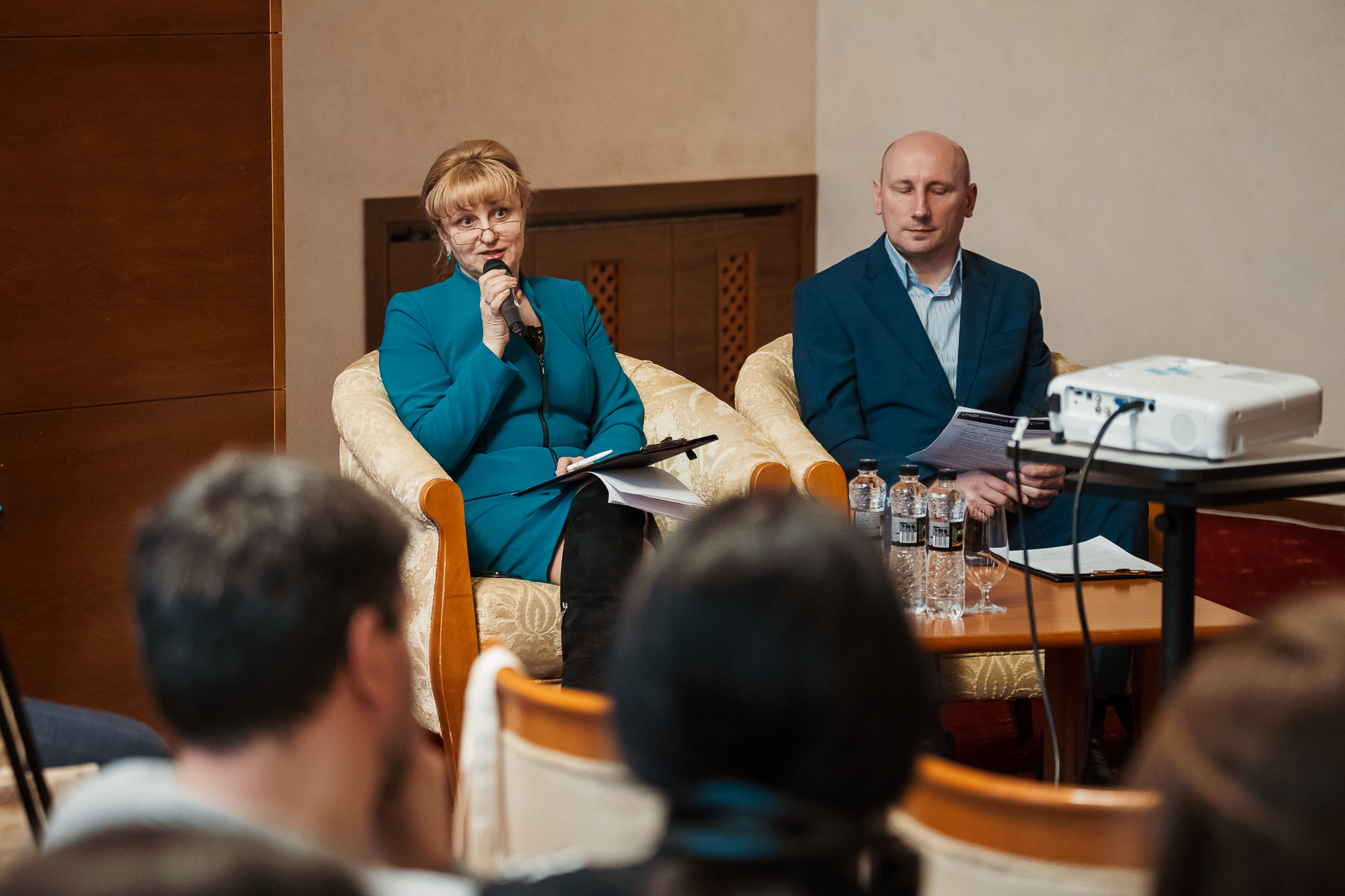
Oleh Voitovych, Deputy State Secretary of the Cabinet of Ministers of Ukraine: "The Law "On Lawmaking" regulates all stages - from the emergence of an idea about the need to develop a legal act to its adoption, publication, and then oversight and monitoring of its implementation. All of this requires new approaches to organizing work. And above all, in the relationship between the government and the Parliament. This and other events are dedicated to finding the best options for cooperation and fully synchronizing our efforts in preparing legislation and implementing it."
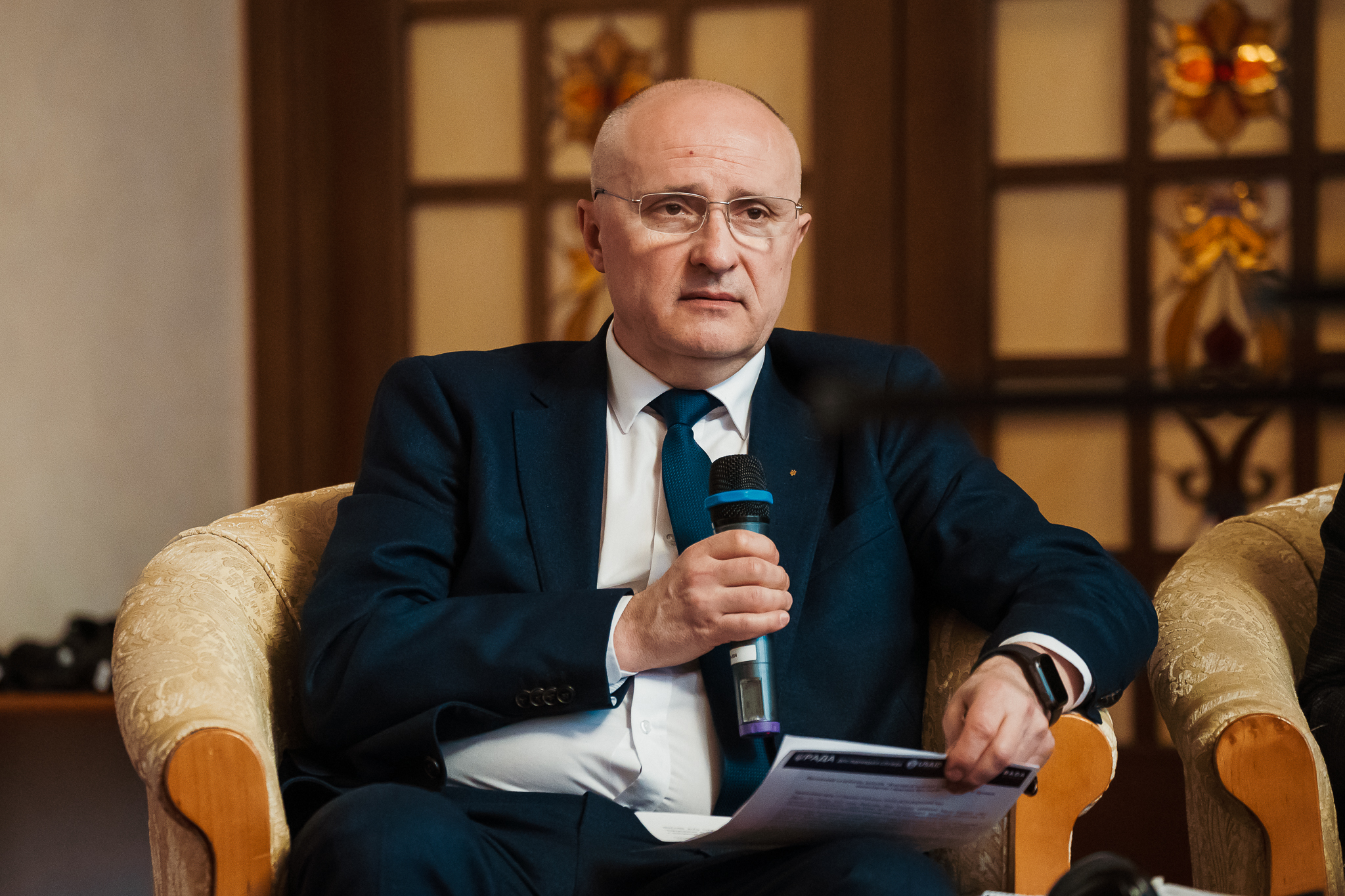
Stanislav Ivasyk, Research Manager of USAID "RADA: Next Generation" Program: "Trust in the Parliament, the government, and the public authorities in general remains a rather complicated topic. Trust is built in dialogue and communication. Policy papers are the instrument that ensures communication in the triangle of Parliament, government, and citizens. Therefore, studying international experience in this aspect and developing Ukrainian legislation is extremely important."
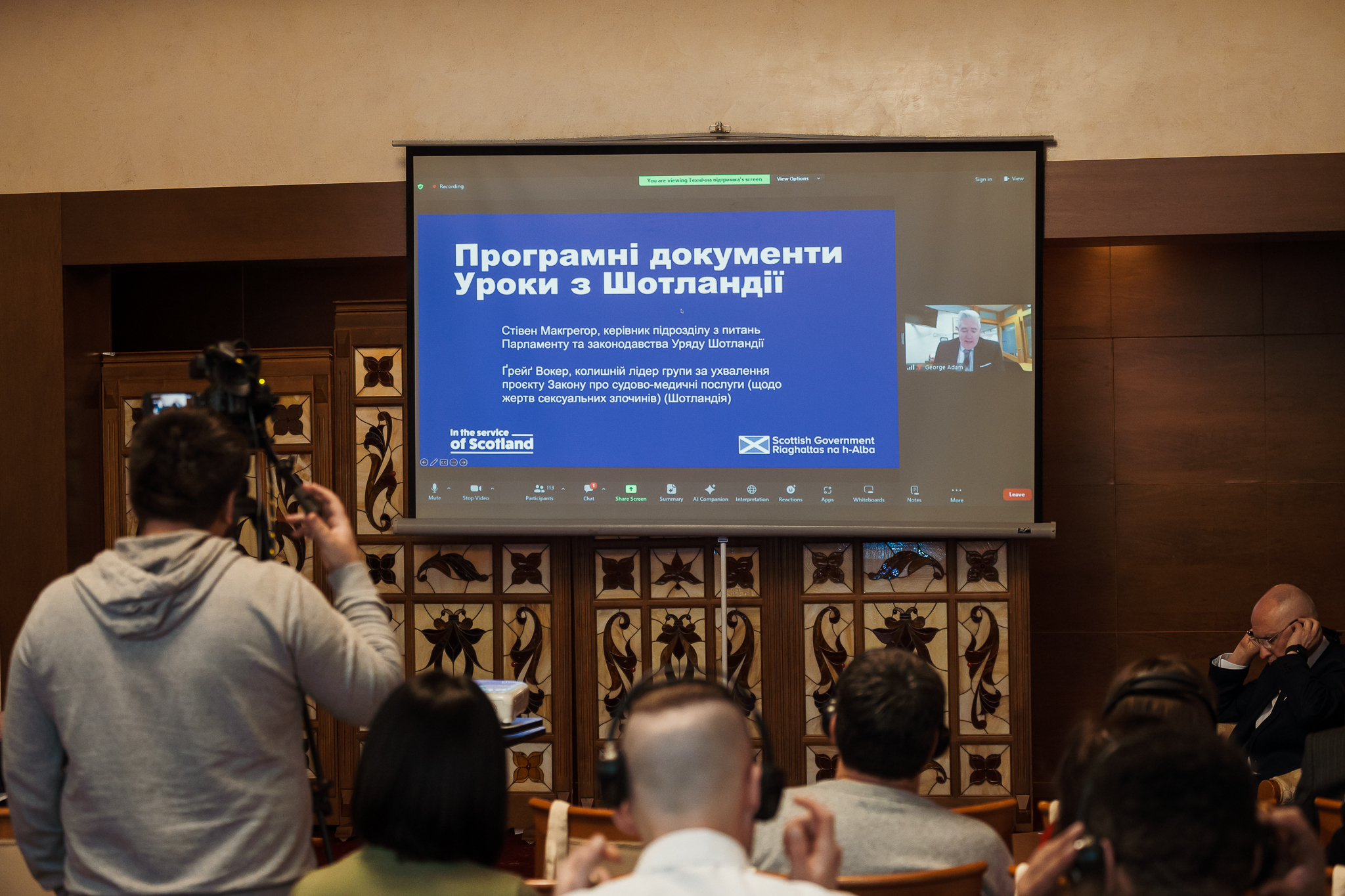
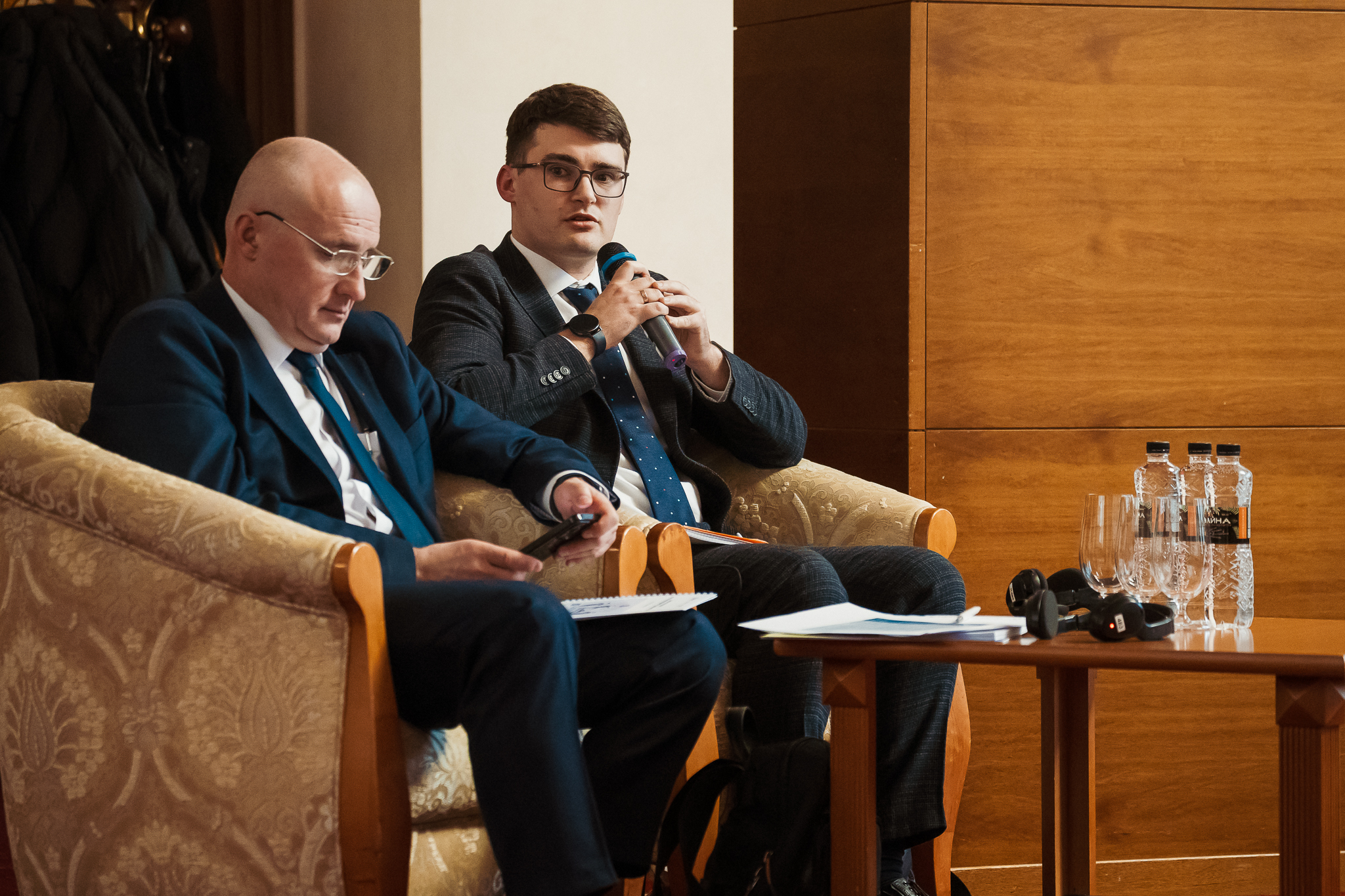 First, the invited speakers – Stephen McGregor, Head of the Scottish Government's Parliamentary and Legislative Office, and Greig Walker, former leader of the group behind the adoption of the Scottish Forensic Services Act - spoke about the peculiarities of the legislative process and the functioning of policy papers in Scotland. In particular, they said that:
 Afterward, Oleh Posykaliuk,Chief Consultant of the VRU Research Service, presented the vision of public policy papers in Ukraine, describing the existing practices and the requirements for them set forth by the Law "On Lawmaking.""
 USAID "RADA: Next Generation" Program is actively studying the experience of the world's leading democracies and disseminating their best parliamentary practices in Ukraine. Currently, the Program is holding a series of events to share foreign experiences using public policy papers and discuss their possible implementation in the Ukrainian legislative process.