

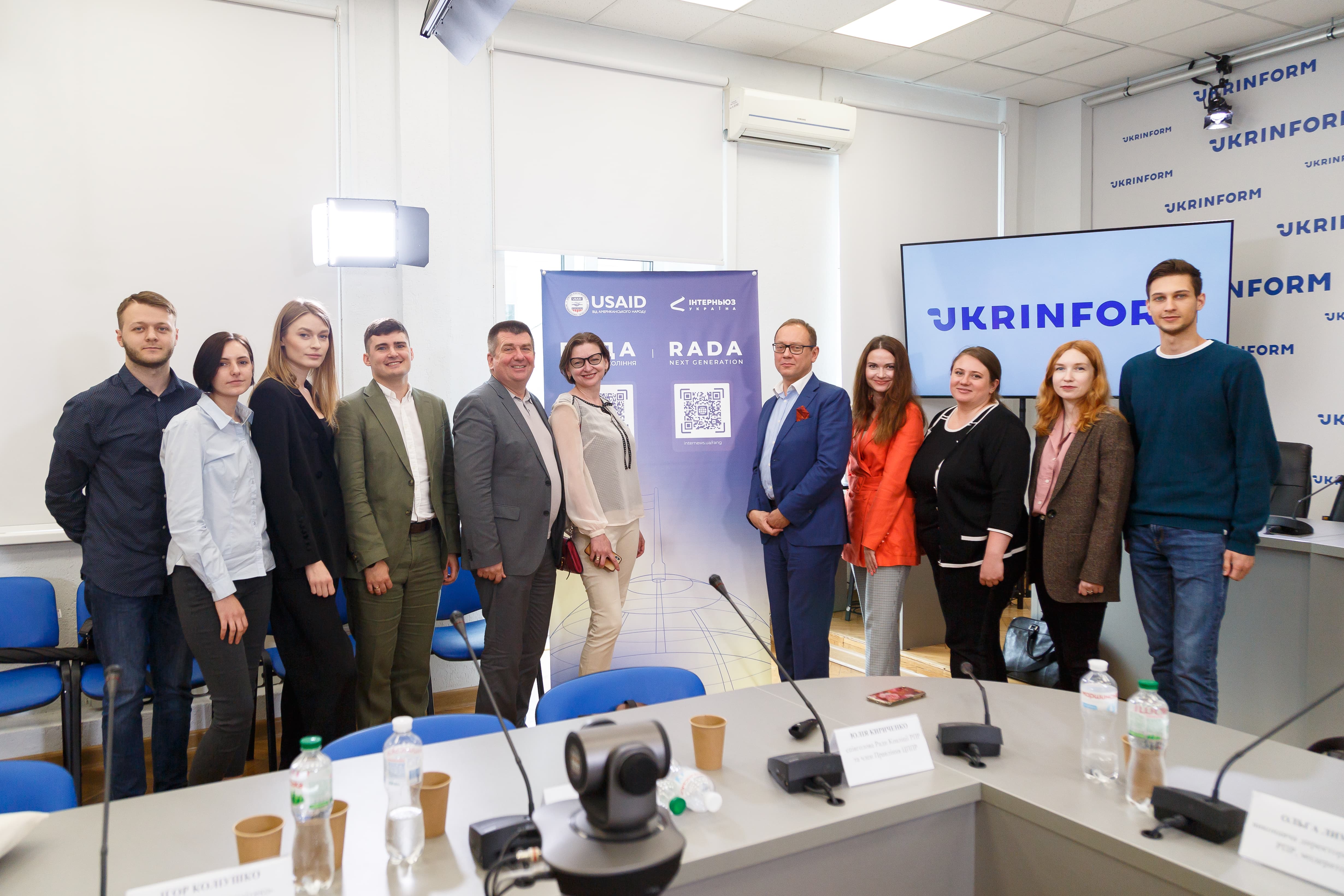
What is the state of parliamentarism and democracy in Ukraine during wartime, and what are the prospects for development?
Representatives of civil society organizations, think tanks, and media discussed this issue during the roundtable "Preserving and Developing Democracy in Ukraine." The event was organized by the Centre of Policy and Legal Reform together with partners from Democracy Reporting International, the Reanimation Package of Reforms Coalition with the support of the USAID RADA: Next Generation Program, on June 29.
The roundtable was held on the Constitution Day of Ukraine and the International Day of Parliamentarism.
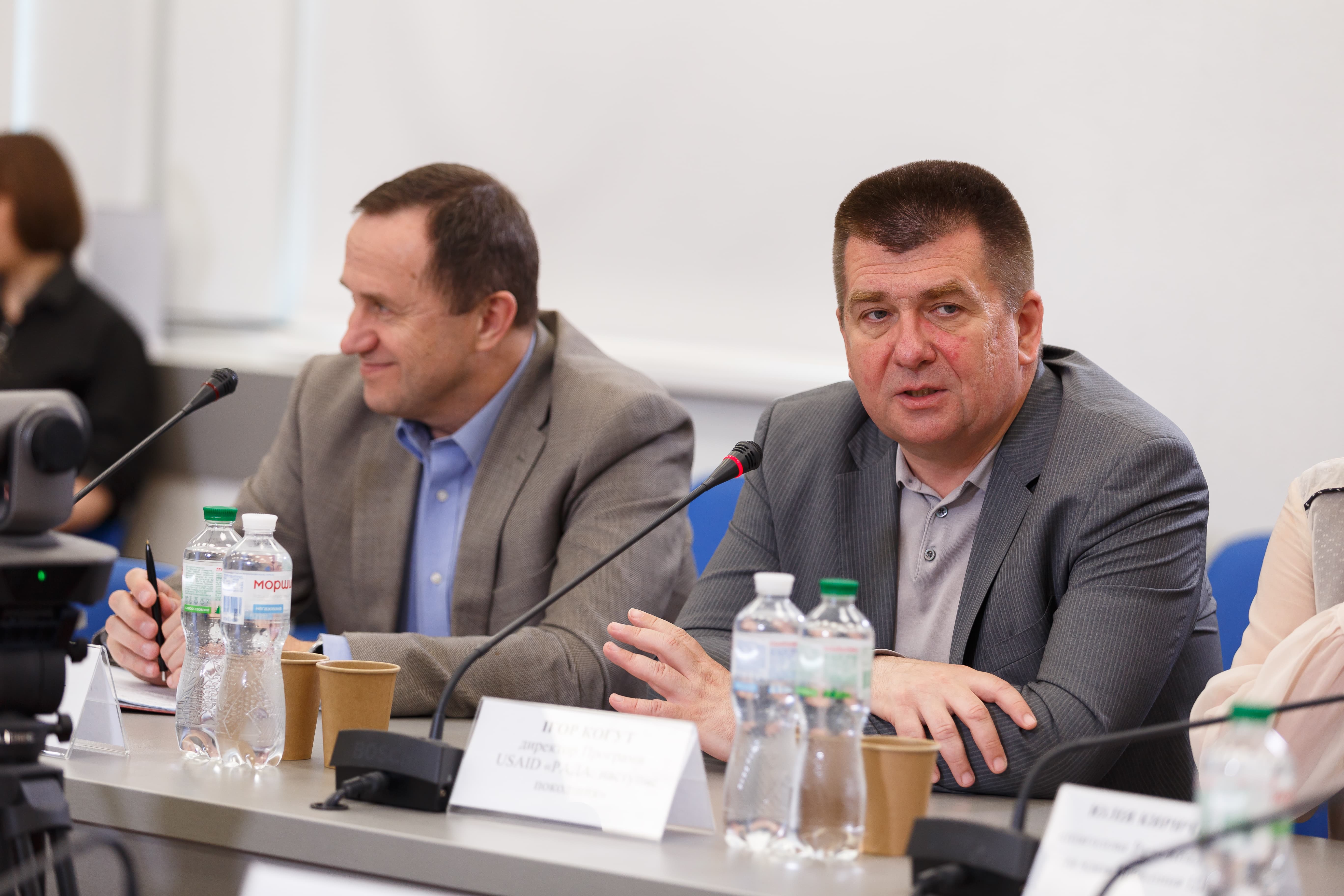
Igor Kogut, Director of the USAID RADA: Next Generation Program, noted: "Parliament is the core of democracy, and it should always be a promoter of democratic ideas, pluralism, discussions, and debates. Especially, at the times when there are limited opportunities for oversight, the Parliament should exercise the function of controlling the government's activities and the implementation of legislation on behalf of citizens. An effective Parliament will serve an effective democracy."
 The roundtable participants agreed that Ukraine's reforms should take place even during the war, as this will protect democracy, which is what the Russians are fighting against.
"It will not be possible to live after war as before. We must have the courage to look at the Parliament differently. And this discussion about the future should be both expert and visionary, to see things we may have been afraid to talk about before. For example, the Verkhovna Rada of Ukraine needs to eliminate Soviet rudiments. We need to think about how to build the parliament building in a way that ensures its transparency," said Igor Kogut.
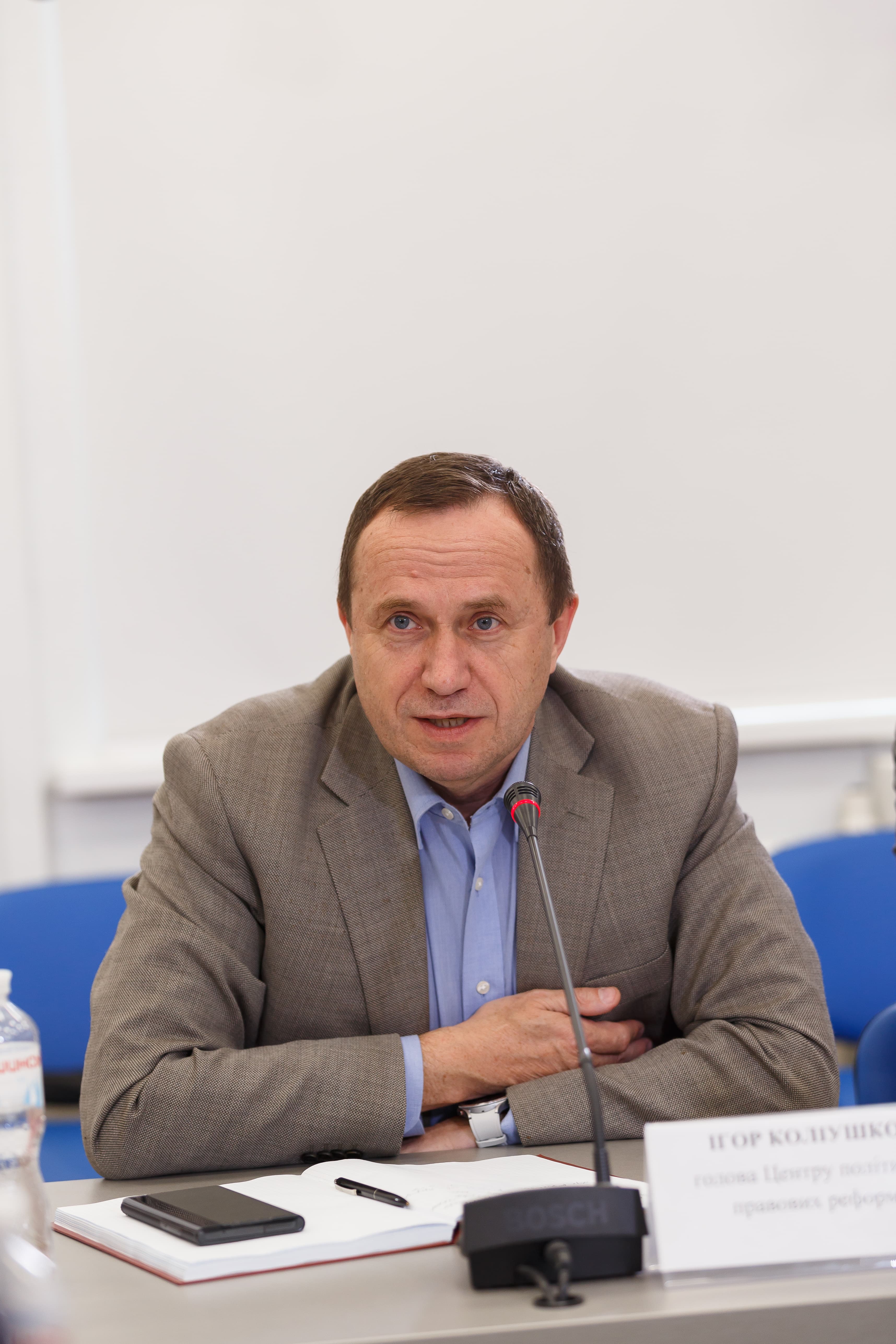
Ihor Koliushko, Head of the Board of the Center of Policy and Legal Reform, also warned that the authorities should not use martial law to weaken democratic processes or institutions: "Any restrictions or any failure to do something during the war must be justified. War should not be perceived as an indulgence."
During the roundtable, the organizers presented their analytical notes and research on Ukrainian democracy. The "Overview of Ukraine's Democratic Institutions in Time of War" analyzes the institutions of the presidency, parliament, elections, judiciary, media, and civil society, and for each of them, experts identify the main threats and changes.
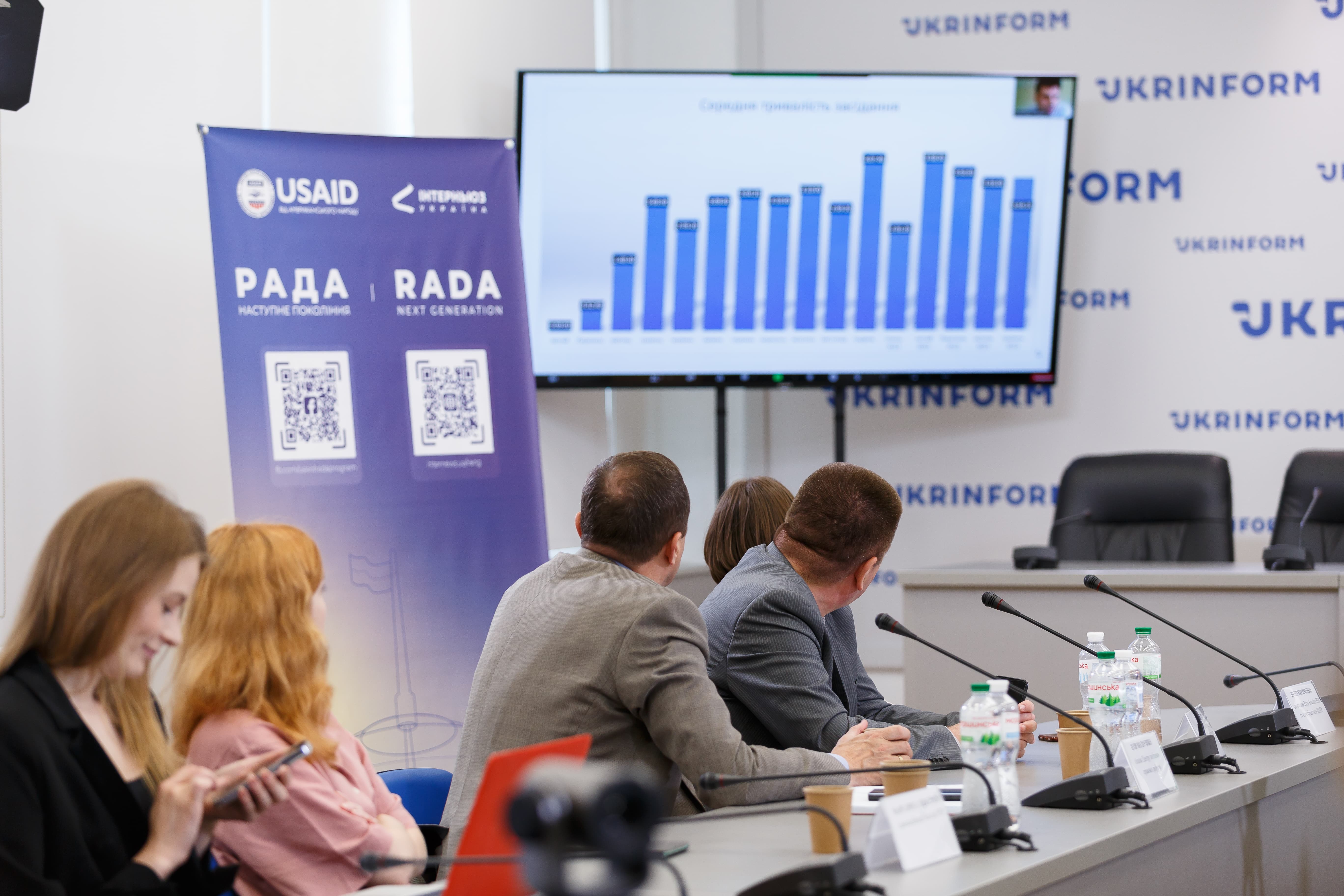
Volodymyr Venger, USAID RADA: The Next Generation expert, spoke about the study "Parliament in War Time," which analyzes the work of the Verkhovna Rada of Ukraine under martial law. The expert notes that the parliament continued to work, fulfill its constitutional functions and distinguished itself by its productivity. According to him, the Verkhovna Rada during the war:
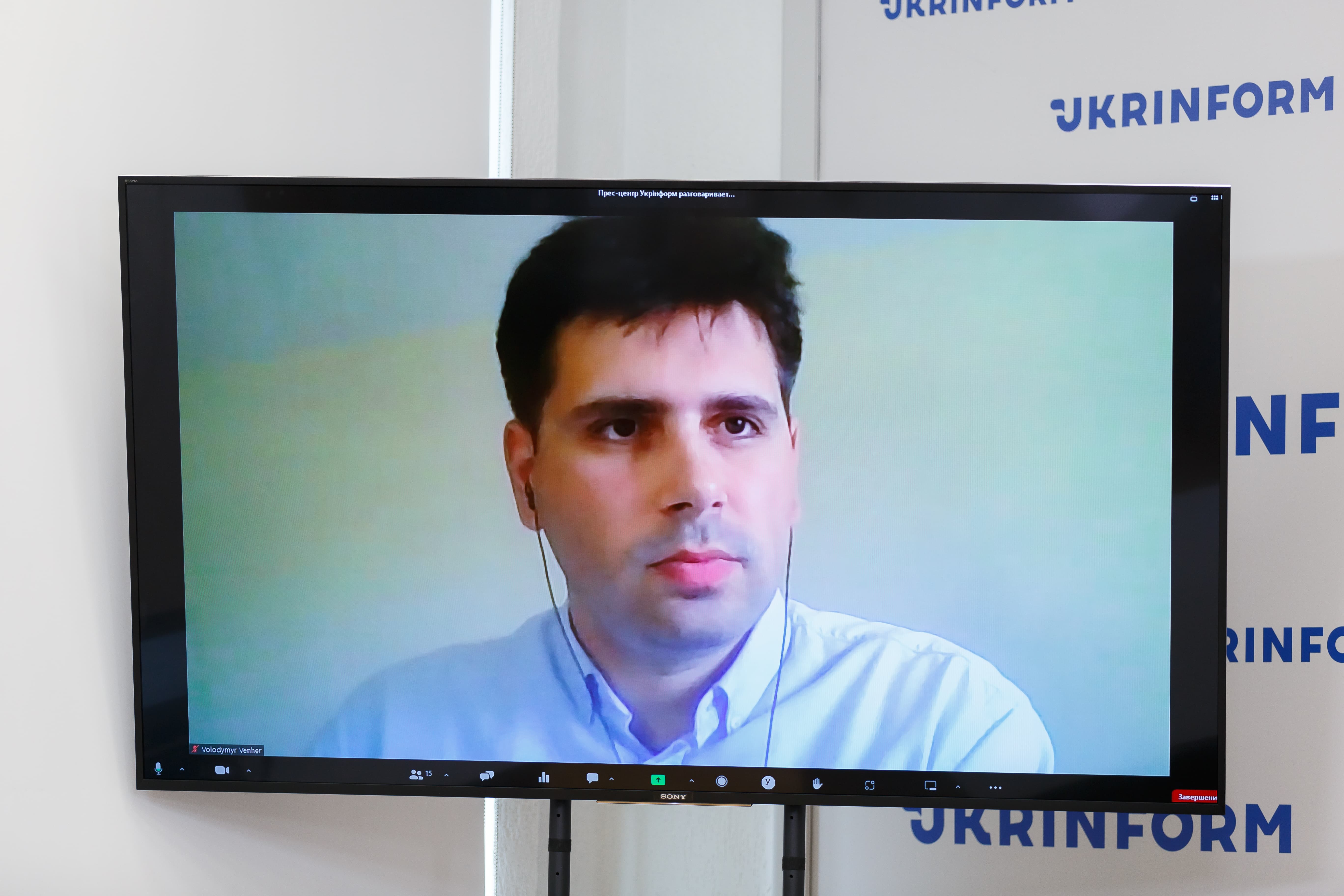 Also Volodymyr Venger emphasized that the Ukrainian experience is unique for the whole world. The current international standards are aimed at resolving internal or other conflicts but are not adapted to the conditions of war, in which a democratic state like Ukraine is. "The Ukrainian experience should be used as a basis for the development and improvement of international standards, which do not yet take into account the possibility of their application in countries with good democratic achievements and a well-developed legal system. This can be useful for the whole world."- he said.
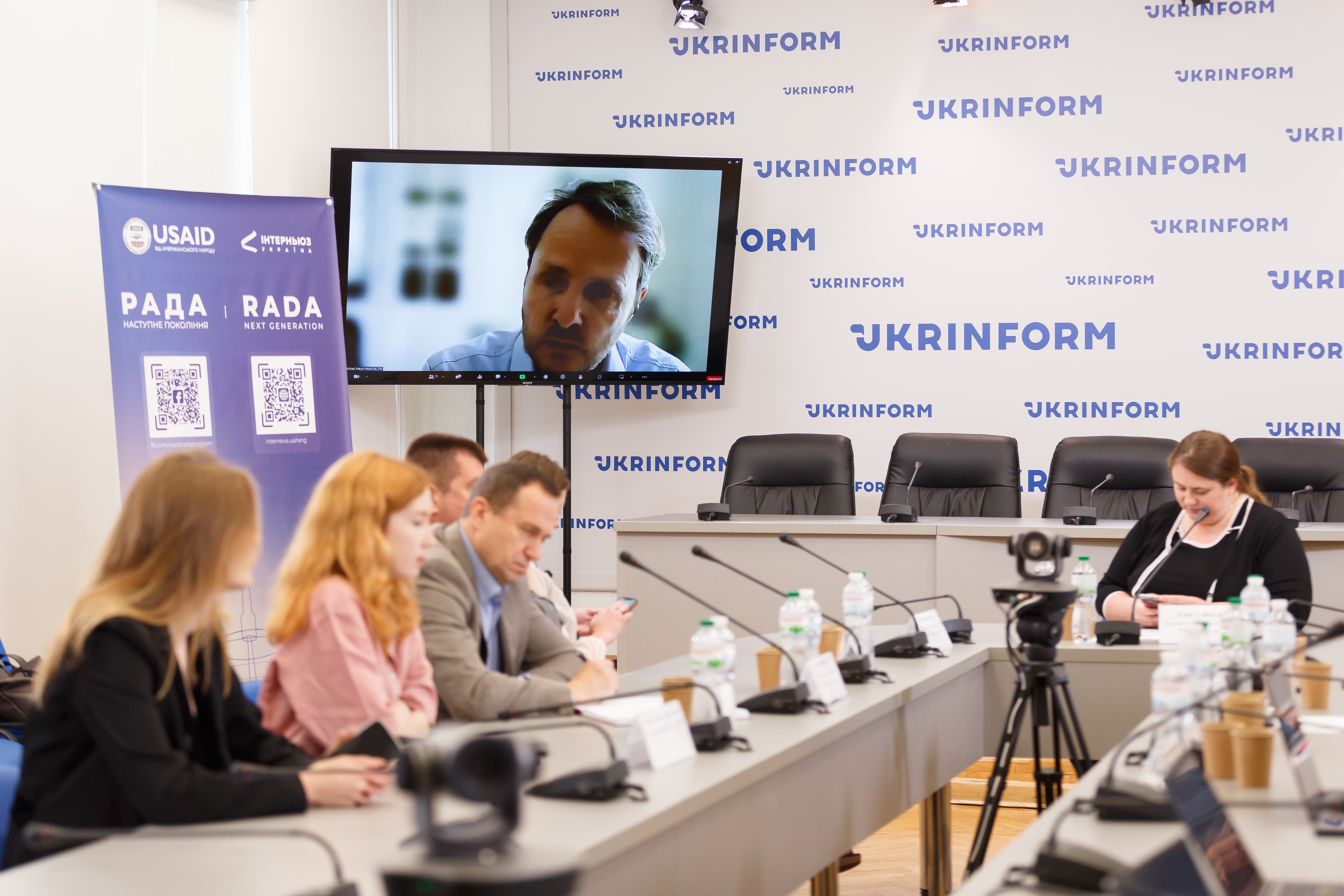 You can watch the roundtable video via this link (in English).