

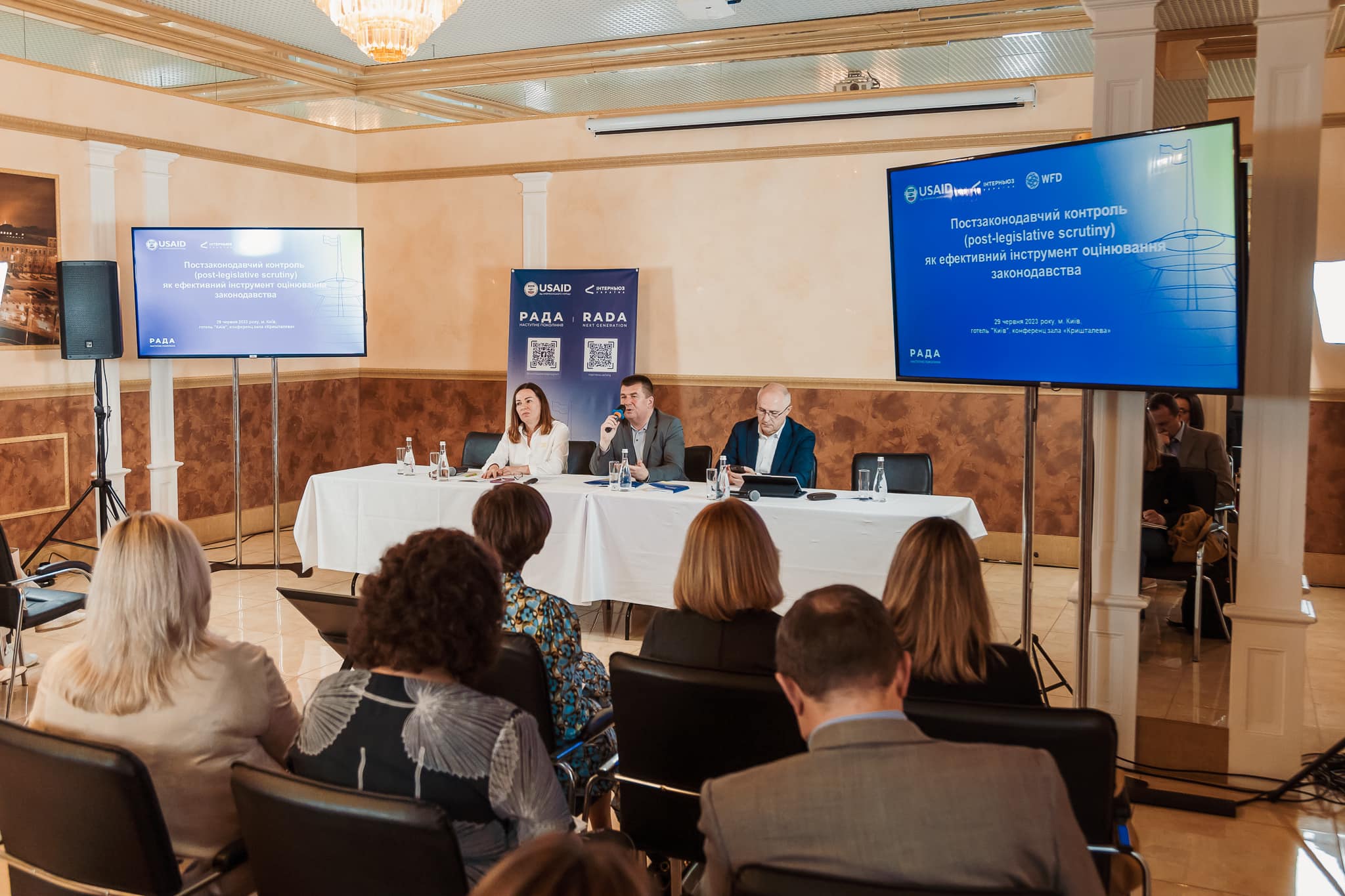
On June 29, USAID RADA: Next Generation Program, together with its partner, Westminster Foundation for Democracy (WFD), arranged the discussion “Post-Legislative Scrutiny (PLS): an Effective Tool for Legislation Evaluation” to highlight the importance of the VRU Committees’ capacities and PLS methodology in it.
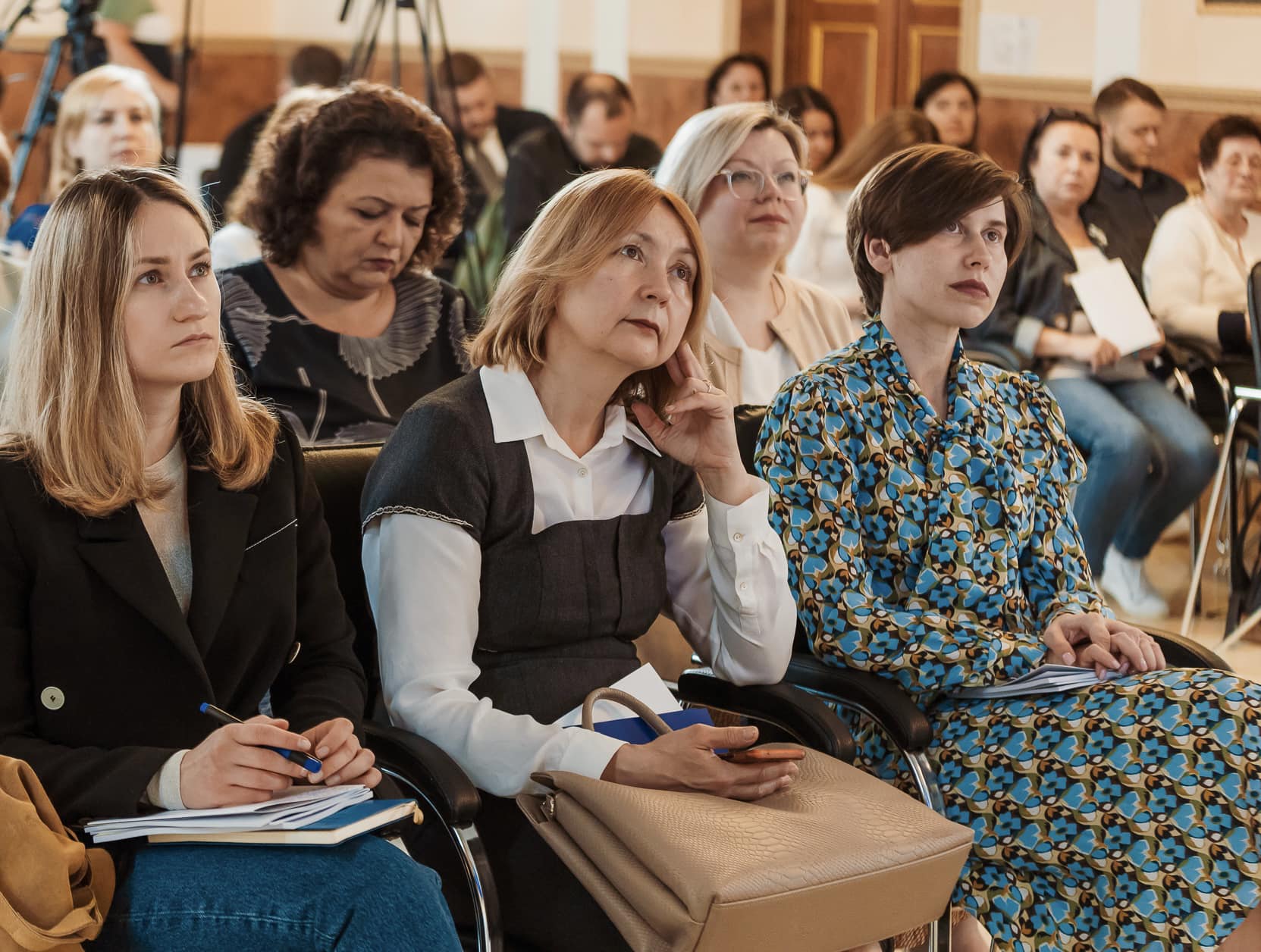
The event was attended by VRU committees’ representatives, VRU Secretariat, Ukraine’s Parliamentary Research Service, international experts, and donors. Participants discussed the PLS methodology, the Committees’ experience in implementing PLS pilot projects, and the prospects for using PLS procedures in the future during the parliamentary control implementation.
USAID RADA: Next Generation Program along with together with WFD experts, implements PLS practices in VRU committees in order to strengthen the Parliament’s control function and to improve Ukrainian legislation. The PLS is an effective tool for legislation evaluation and its impact, as well as for adjusting policies.
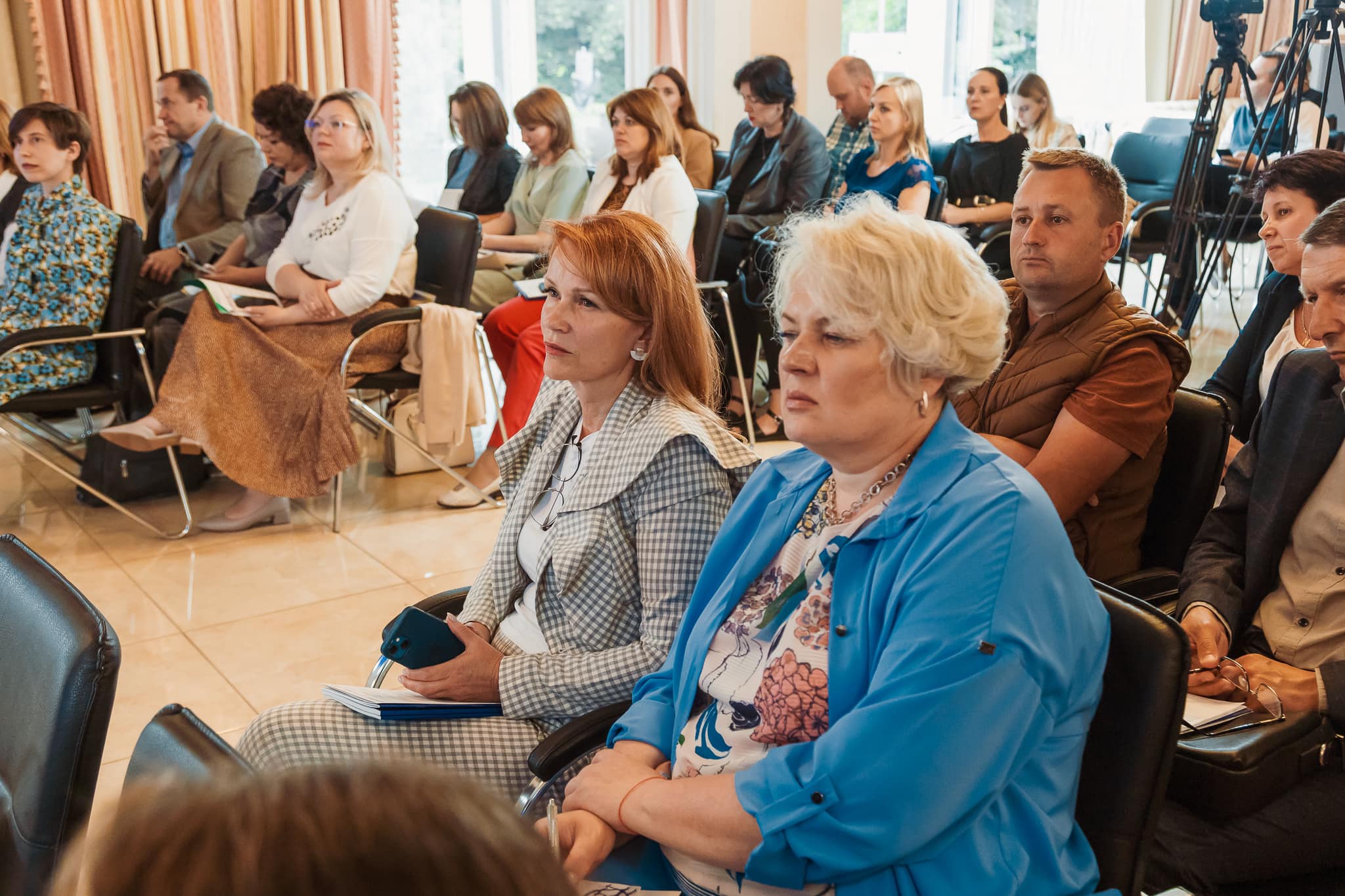
Mykhailo Tepliuk, Deputy Chief of Staff of the VRU Secretariat, noted with the RANG's help, the issue of PLS practice has gained much attention and the VRU leadership and VRU Secretariat is willing to share the experience with other committees.
Oleksandr Piskun, Democracy Project Management Specialist at the Office of Democracy and Governance, USAID, noted that the PLS pilot of three model committees is one of the key instruments in ensuring parliamentary oversight and promoting next-generation reforms. PLS practices are especially relevant in the conditions of war, post-war reconstruction of Ukraine, and European integration: “We have many international obligations, prerequisites as a candidate for EU membership. And the parliament is the body that both executes (adopting legislation) and supervises the application of laws”.
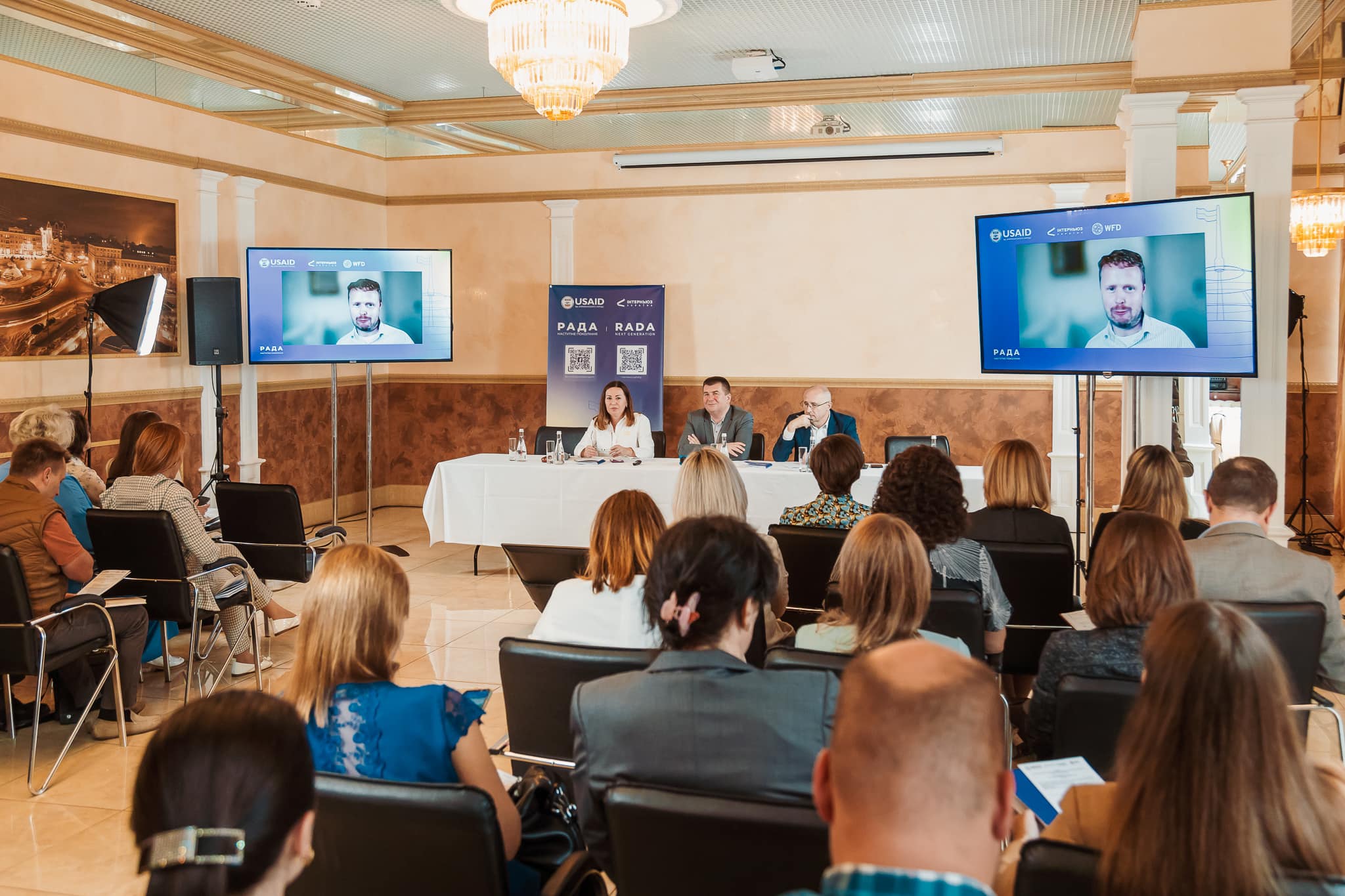
Oleh Voytovych, deputy state secretary of the Cabinet of Ministers, claimed that Ukraine’s government also tried to ensure synchronization with other state bodies, including the Parliament.
Franklin De Vrieze, Head of Accountability Practice, WFD, noted that the PLS instrument allowed VRU Committees to follow the real impact of legislation and identify best practices in various fields of legislation. In particular, he states that collecting background information and preparing a specific plan for that.
VRU Committees on social policy, energy, and state building participated in PLS pilot projects. The VRU Committees’ representatives shared their experiences with 15 members of the VRU Committees on human rights, national security, defense and Intelligence, economic development, and anti-corruption policy, humanitarian policy.
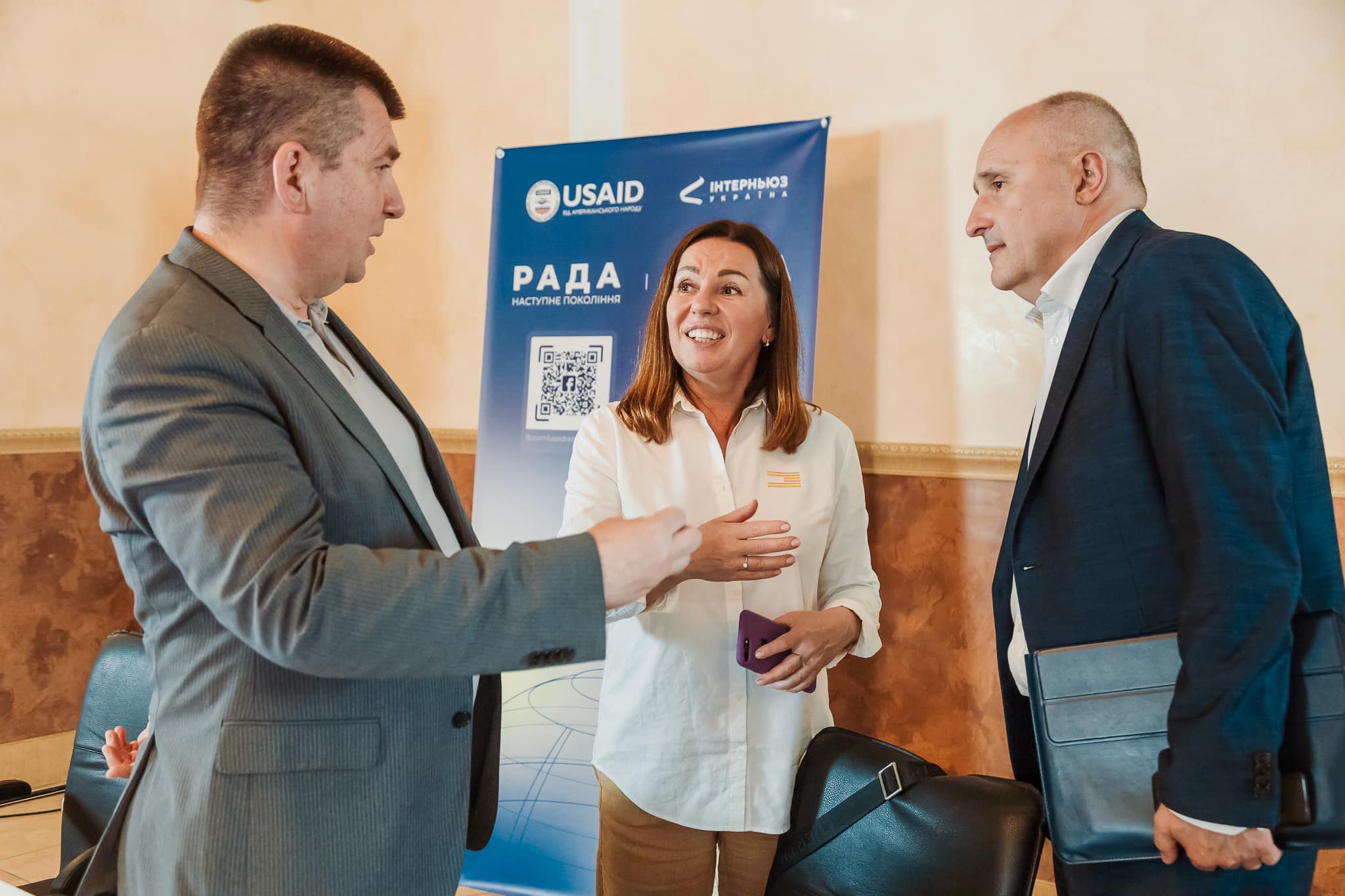
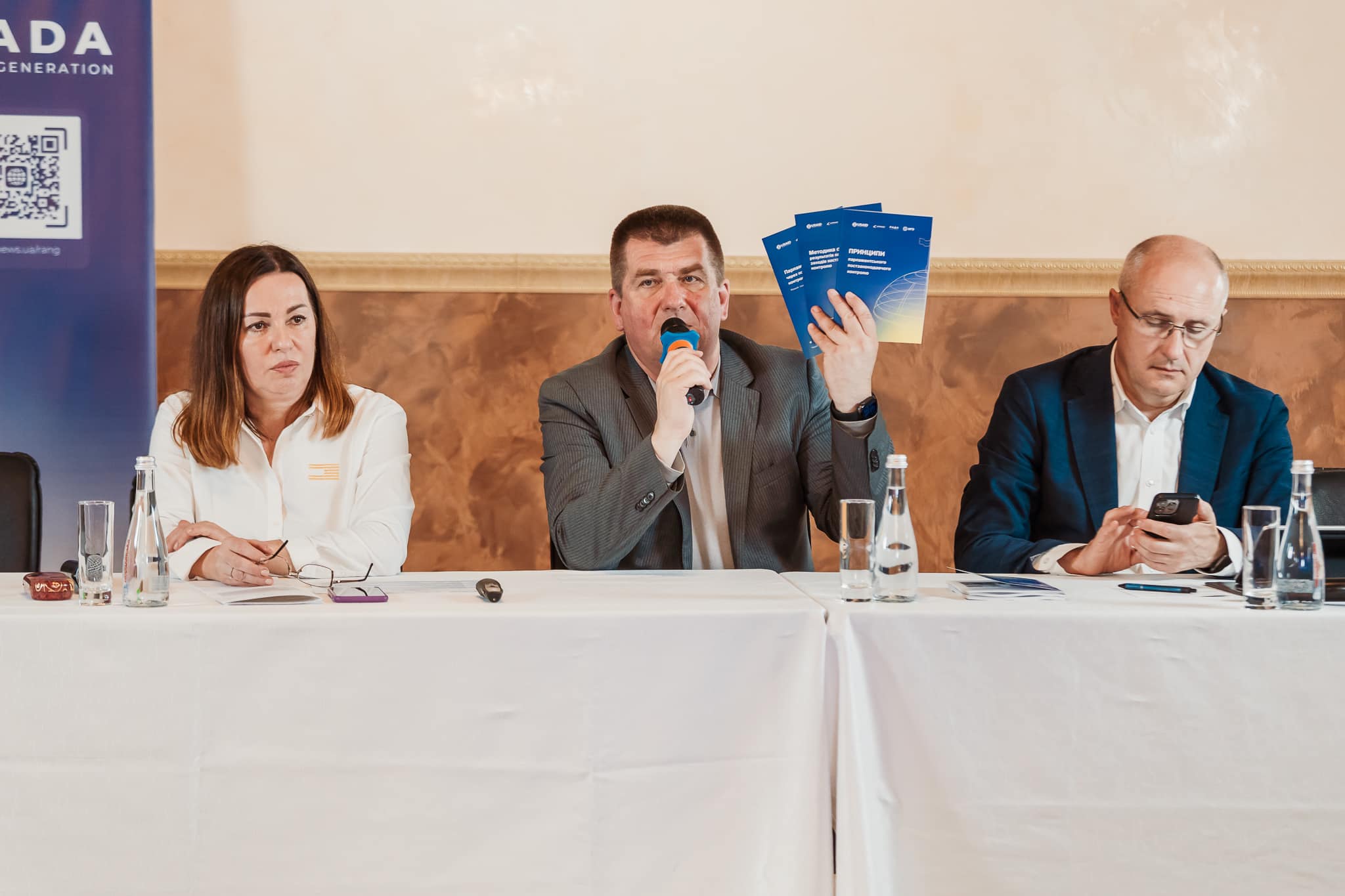
Igor Kogut, Chief of the Party, USAID RADA: Next Generation Program, expressed his gratitude to all participants of PLS projects and noted that this experience facilitated to lead to a fruitful discussion: "We have already seen certain results, everyone highlighted some challenges, outlined the problems being faced as well as those that will potentially interfere in future. Now we are going through a difficult time and we must be ready for all the challenges associated with the recovery of the country. Therefore, the PLS should function perfectly. It should include not only interaction within the Parliament and Government but also with stakeholders".
 The participants of the event agreed that in order to implement PLS results, it is necessary to strengthen the interaction between the Parliament and the Government and to create communication platforms for better coordination.