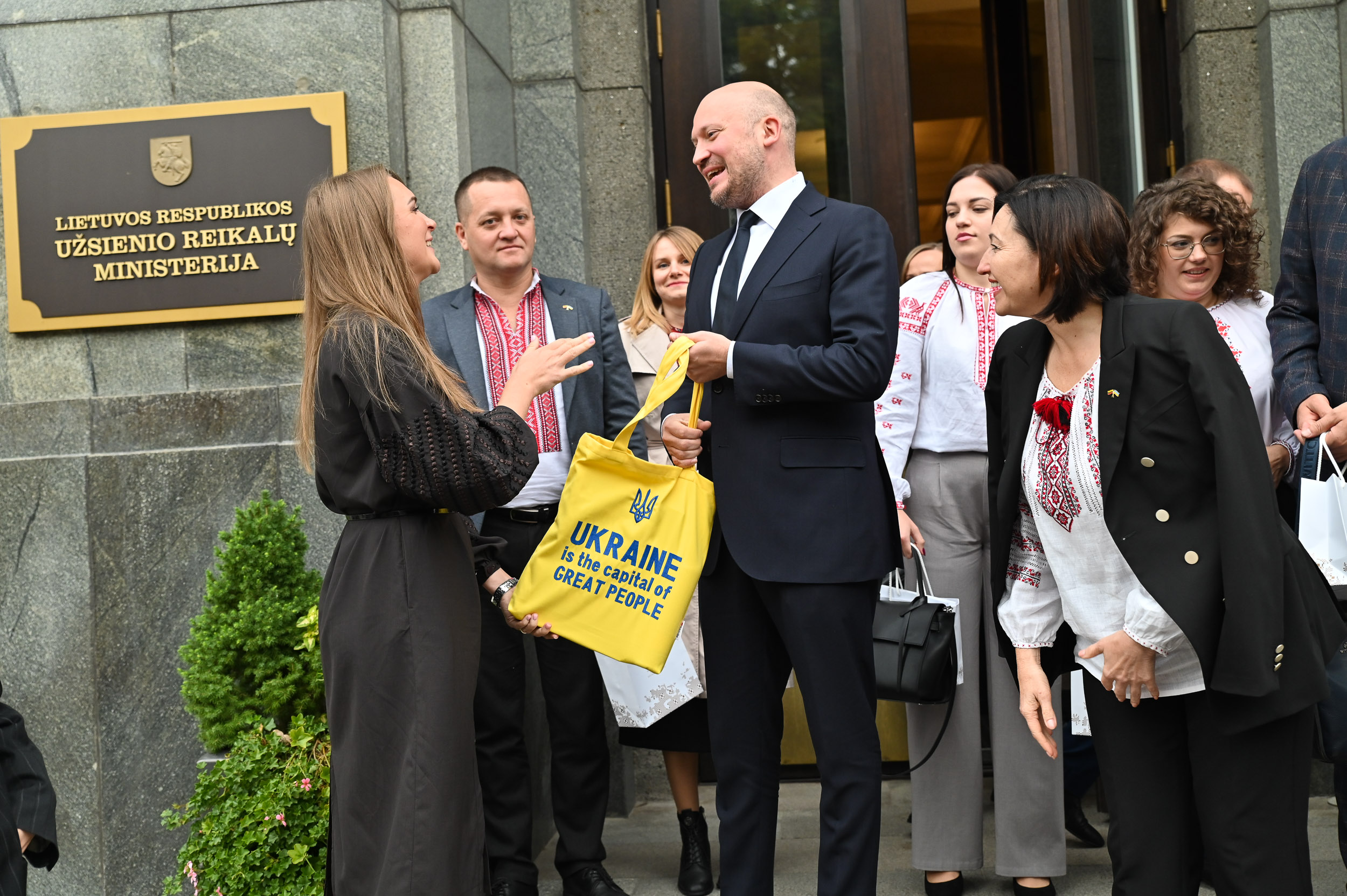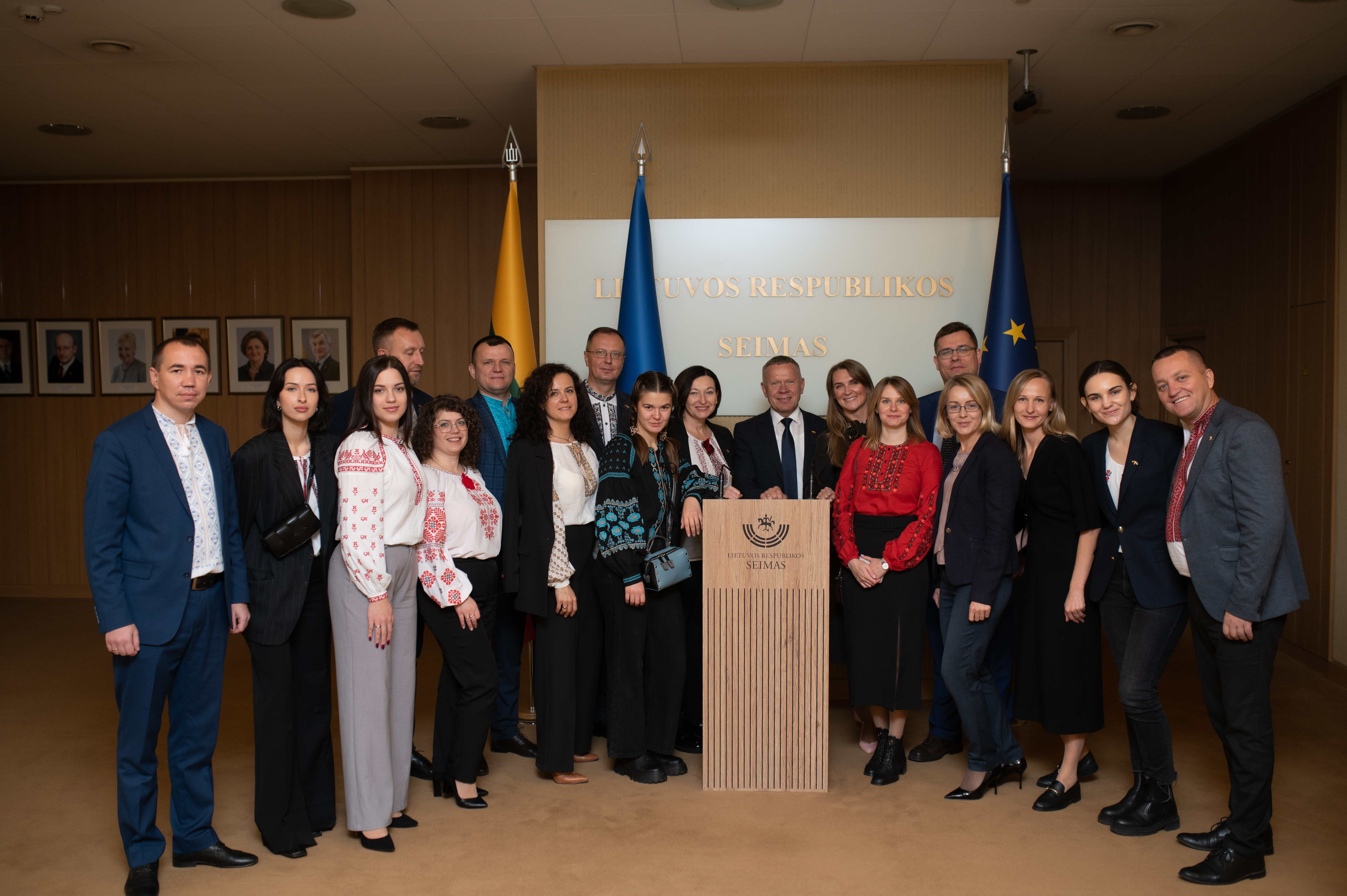
"All events took place offline, so the exchange of experiences through "live" communication turned out to be surprisingly productive," Iryna Konstankevych, Ukrainian MP, said after her trip to Lithuania.
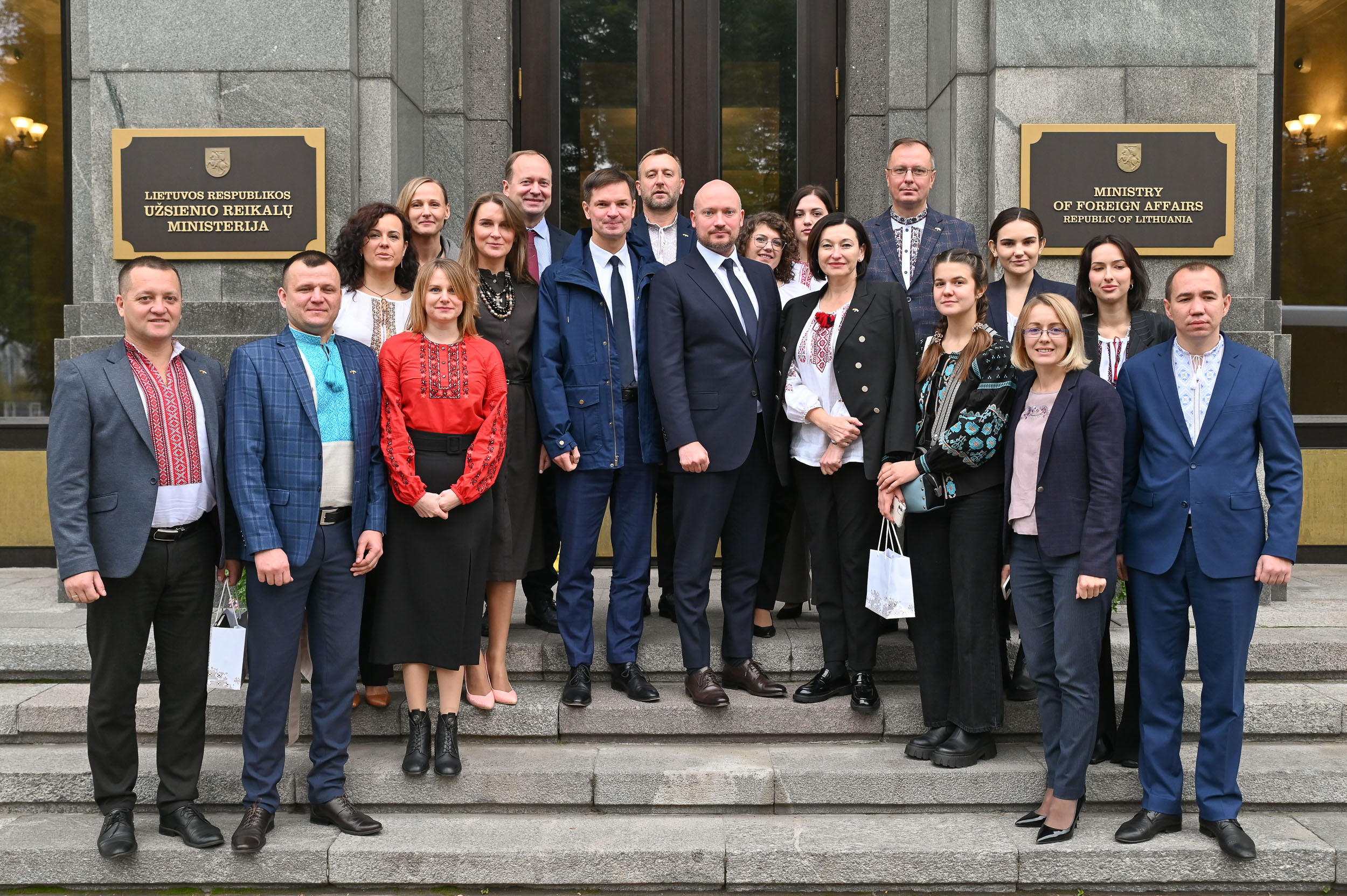
USAID RADA: Next Generation Program, along with its partner, the International Republican Institute (IRI), organized a four-day contact-making visit for Ukrainian MPs, their teams, local government representatives, and non-governmental organizations to Lithuania in late September. Participants shared their best practices and experiences regarding tools, methods, and approaches to the interaction of MPs with voters, non-governmental organizations, businesses, local authorities, and state bodies.
USAID RADA: Next Generation Program continues to help Ukrainian MPs perform their representative function and ensure effective communications with voters. Since Russia's full-scale invasion of Ukraine, the Program has launched the "Partnership of Districts" project to build a strong partnership network of Ukrainian MPs and their colleagues from foreign parliaments. Therefore, the trip's primary purpose was to deepen the cooperation of parliamentarians from Volyn and Rivne Oblast with members of the Seimas of the Republic of Lithuania. In particular, the Ukrainian delegation included Solomiia Bobrovska and Iryna Konstankevych, Ukrainian MPs, as well as the team of the other MP, Ihor Guz.
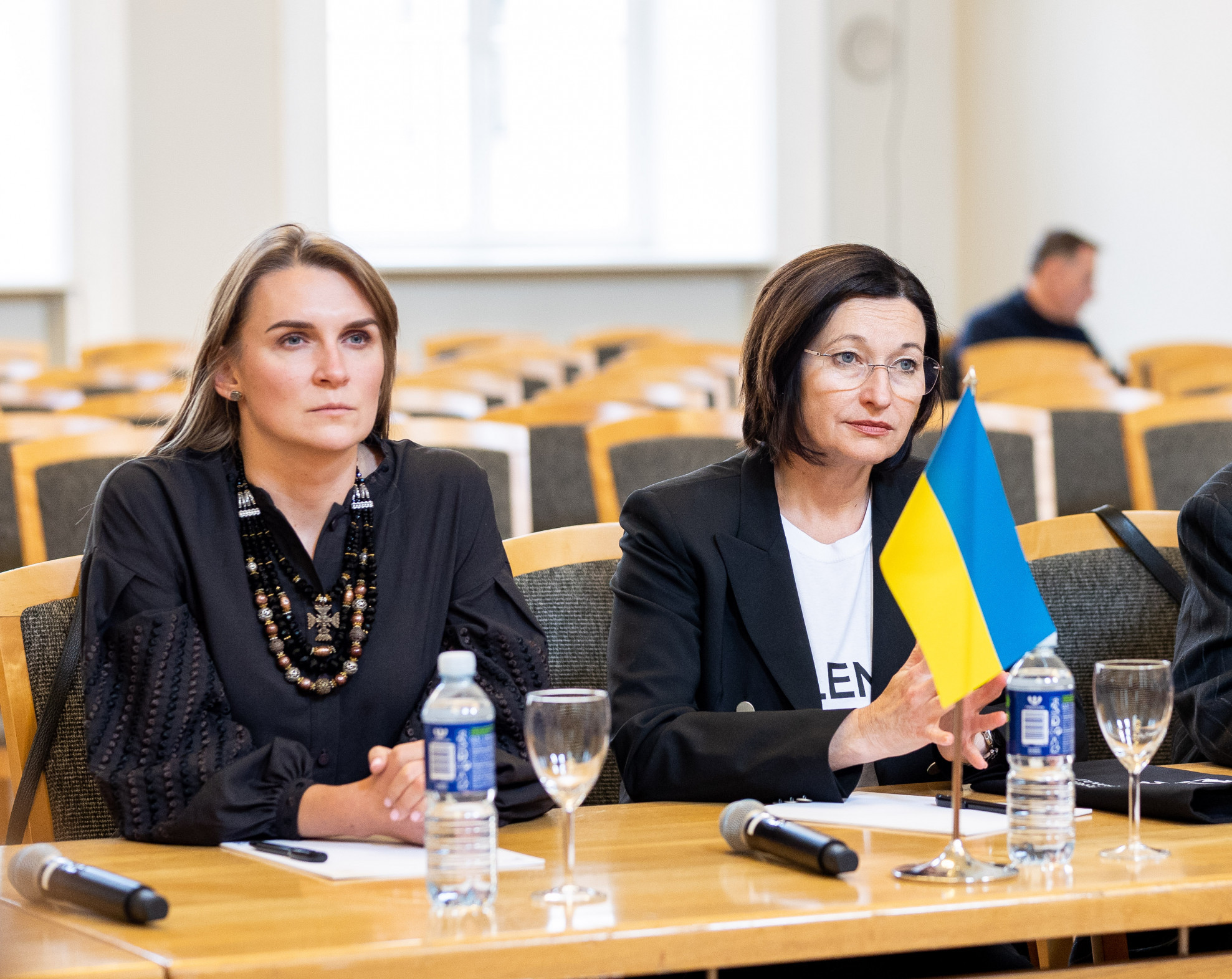
Iryna Konstankevych noted that it was important for her during the trip to make sure that Ukrainian refugees get high-level social and economic support in Lithuania: "As a member of the Committee on Humanitarian and Information Policy, I was interested in checking the access of our citizens to social services (education, culture, etc.). And we are sincerely grateful that the Lithuanian government is ready to provide social assistance to refugees even after 2022. In fact, they are willing to support as much as needed."
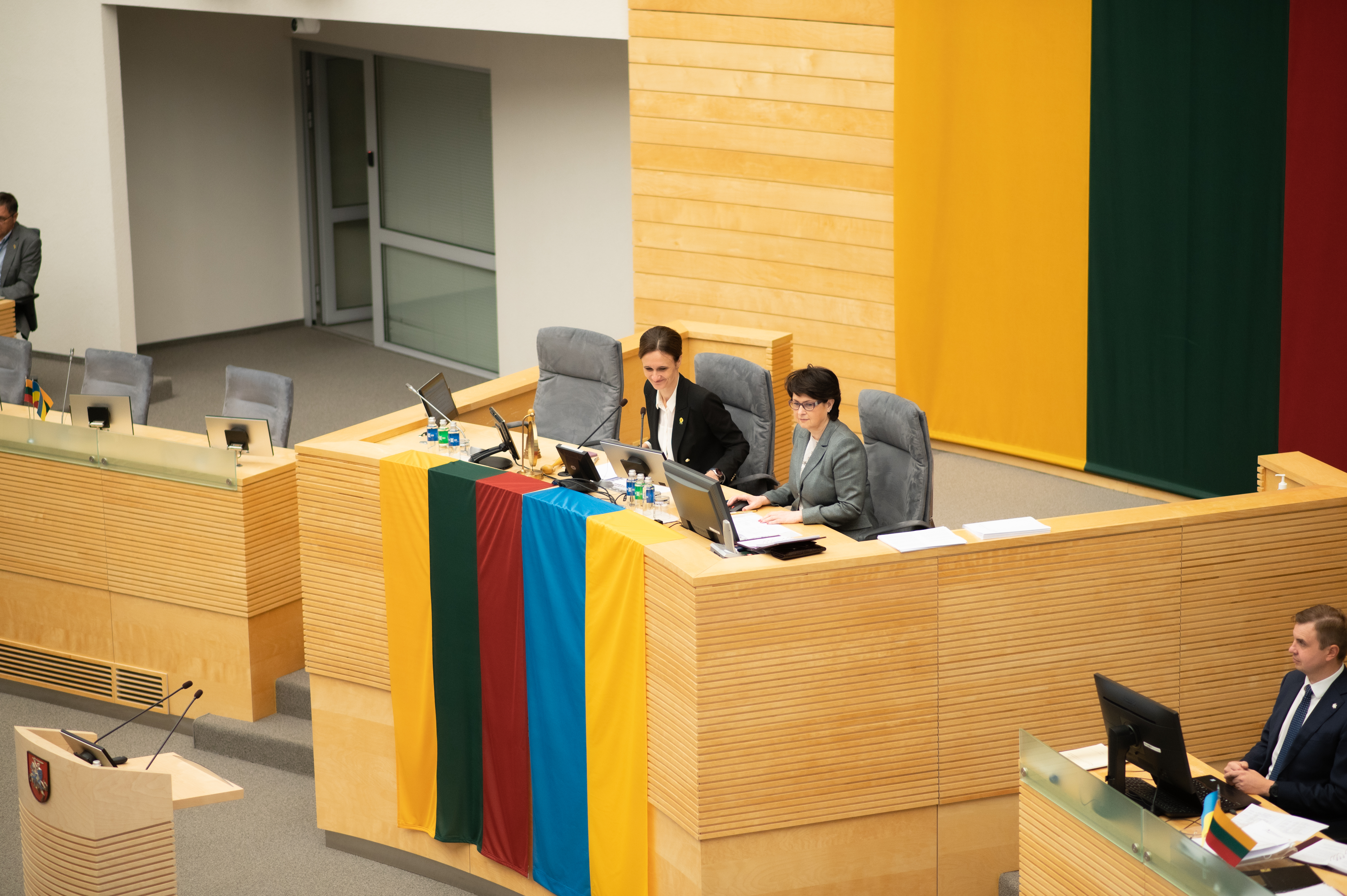
All Ukrainian delegation members remarked the highest level of support from Lithuanians. According to them, aid to Ukraine is everywhere on the agenda, and the presence of top Lithuanian leadership merely proved Ukraine's significance to them. For example, Viktorija Cmilyte-Nielsen, the Seimas Speaker, personally welcomed Ukrainians in the parliament building. Moreover, Paulus Saudargas, the Seimas Deputy Speaker, accompanied the Ukrainian delegation during the entire visit. Despite the negative consequences of the Russian war on the economy, Lithuania is undoubtedly ready to support Ukrainians steadily in the future. So the meetings were productive, and the Lithuanian colleagues enthusiastically discussed further active cooperation with the Ukrainian side.
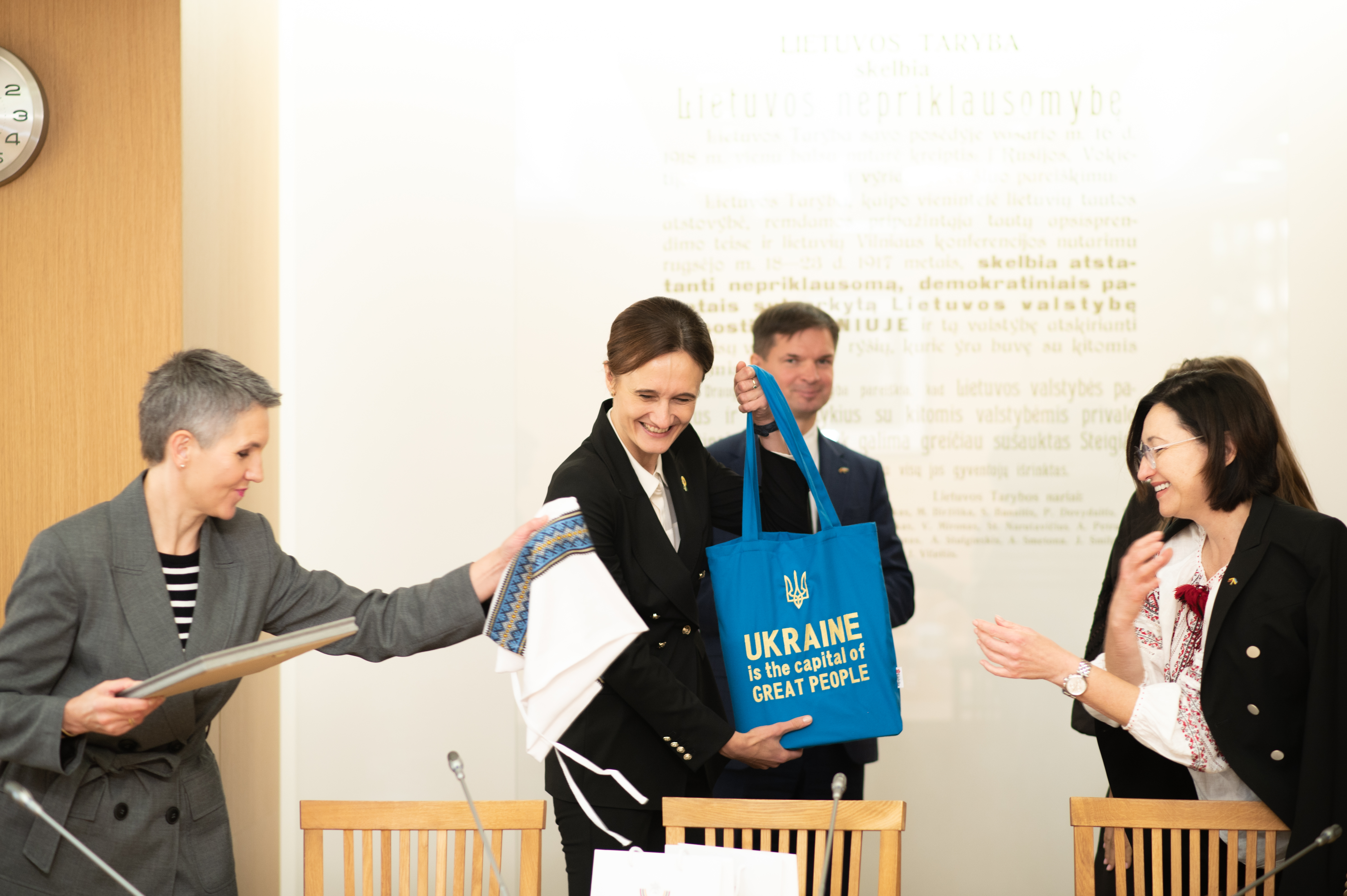
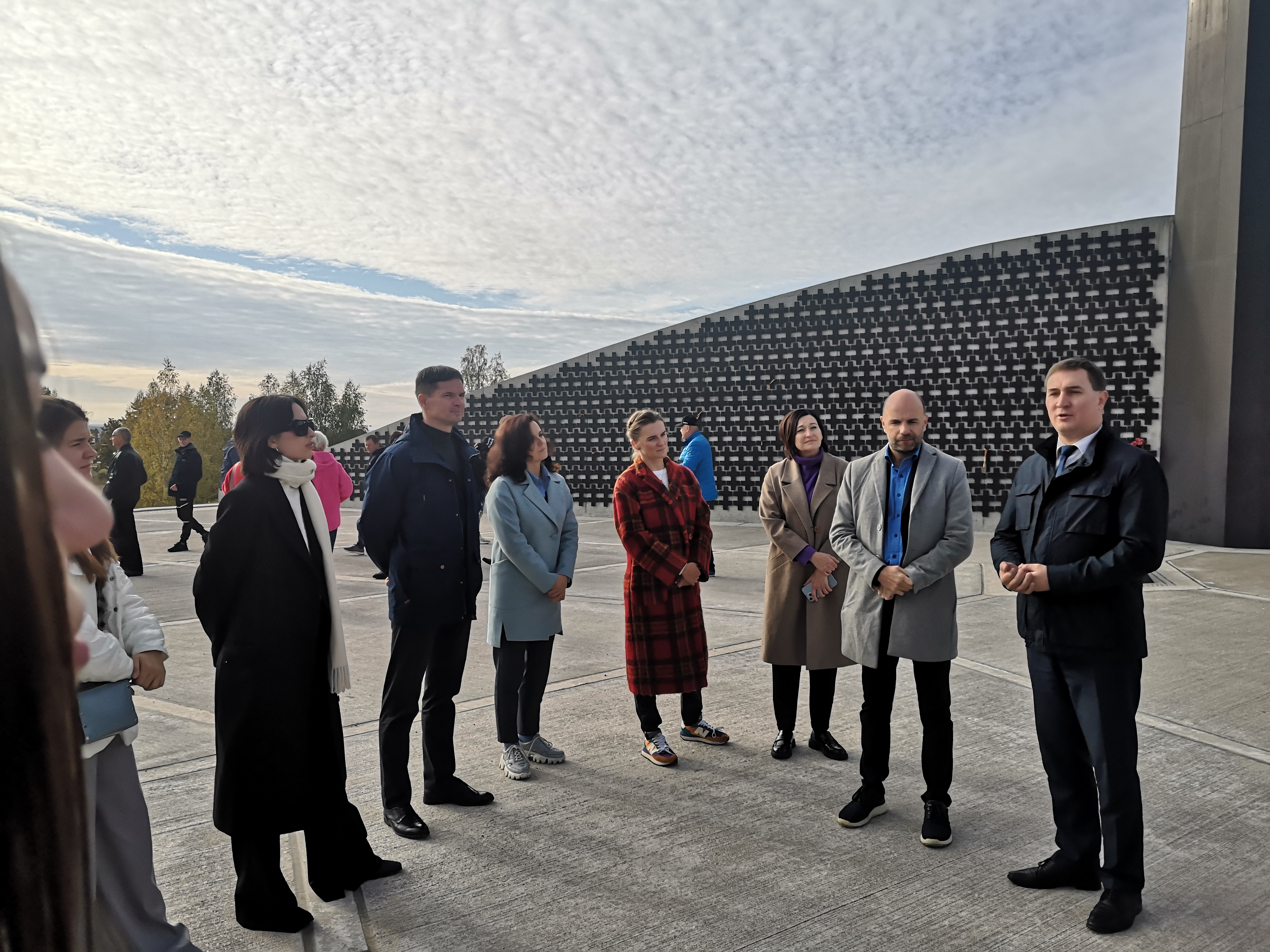
Orest Makhovskyi, member of the Volyn Regional Council and assistant consultant of MP Iryna Konstankevych, concludes: "During the trip, it was possible to establish contacts with members of the Seimas, heads of local government bodies of the Raseiniai and Radviliskis districts, the leadership of the Ministry of Internal Affairs and the Ministry of Foreign Affairs, top managers of the Kaunas free economic zone and scientific and industrial enterprise "Elinta."
One of the visit's main topics was the Lithuanian model of interaction and communications with voters. The participants noted that it significantly differed from the Ukrainian one and consisted of targeted communications. Lithuanian MPs often communicate with civil society through public organizations and associations. For example, if they want to know the needs of some professional groups (businesses, educators, doctors, etc.), they find the relevant associations and communicate with their representatives.
Oksana Kyrychuk, the assistant to MP Ihor Guz, talks about her observations: "In Lithuania, MPs communicate less directly with voters. They have more organized communication. In Ukraine, in practice, communities voice the entire list of problems, and MP gets involved in solving them, regardless of whether it is his competence or not. In Lithuania, such a household problem level is lower. Communities try to propose legislative initiatives and what exactly to do at the level of laws. And the spam of appeals that occurs in our country (for example, appeals to MPs to cut tree branches) merely does not exist in Lithuania."
Participants explain that Lithuanians have a different political culture and more often resolve issues at the level of municipalities; that's why they do not request MPs to solve local troubles.
Another Ihor Guz team member and head of the Smidyn community,Oksana Pitsyk, says: "Communication with voters in Lithuania is systematic. This is what the Ukrainian model lacks. MP does not need to be involved in all trifles, and the issues discussed by MPs are quite comprehensive. They rarely raise local issues because they resolve them with local authorities and relevant ministries. Local government bodies discuss with MPs the introduction of amendments to the laws or the implementation of state programs."
Orest Makhovskyi also highlights the systematic Lithuanian communication model and the clear power division: "MP communicates closely with the leadership of the districts and cities of both his electoral district and other territories of the country. He participates in sessional meetings and organizes receptions for citizens. I drew attention to the close MP communication with the local government and the fact that MPs do not interfere in the municipalities' competence area."
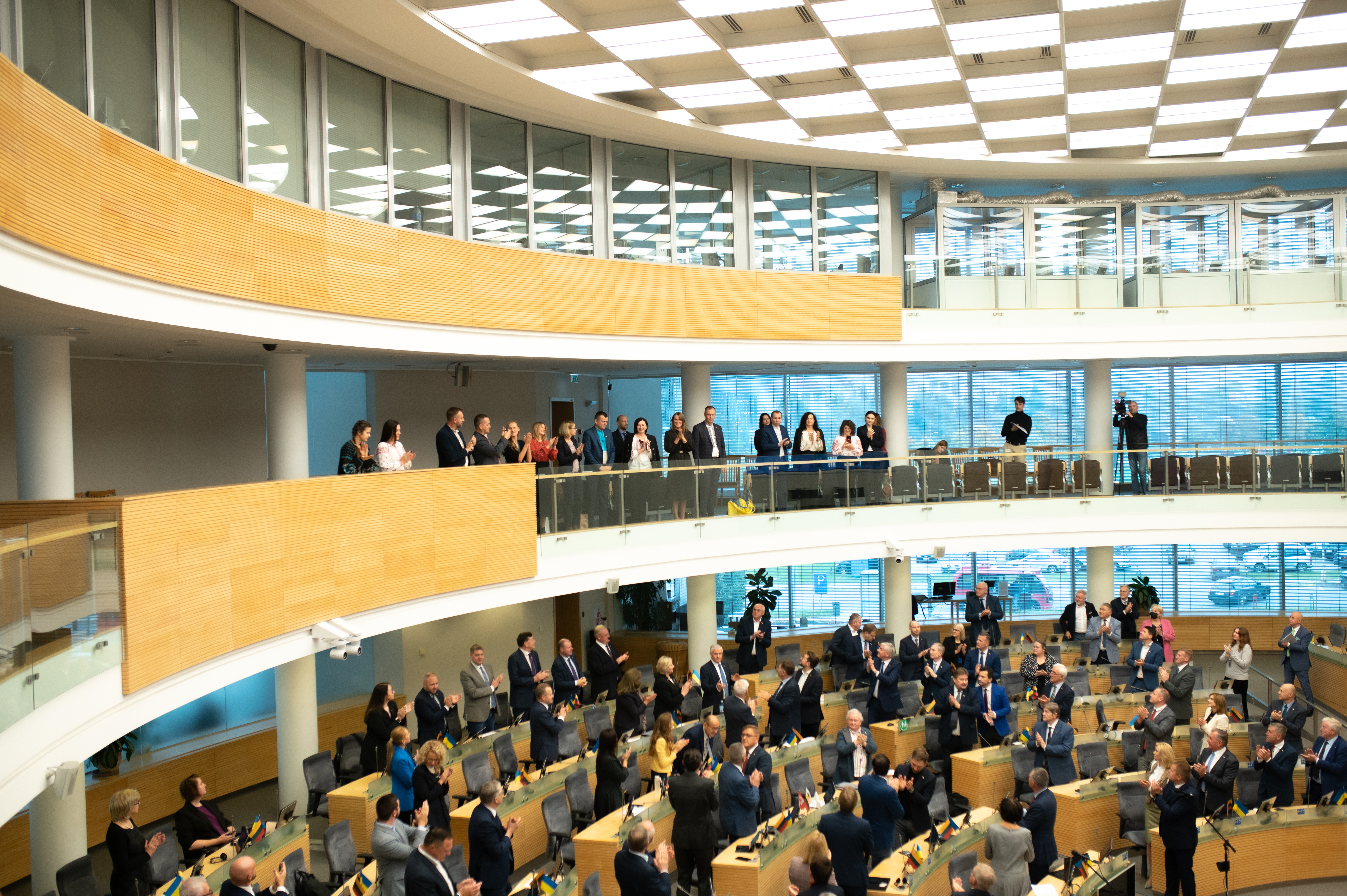
European integration also sparked lively discussions and debates during the visit to Lithuania. The Ukrainian delegation was interested in how Lithuanians explained to their voters the need for reforms and European integration changes, which can sometimes be incomprehensible to citizens.
"It was a national idea for them. They understood that they must pass those obstacles, first of all, economic ones, to enter the European Union. The reforms' importance was explained on all fronts: the local authorities made information campaigns explaining some current issues at the local level, MPs - at their level, and journalists also actively promoted that idea in the media. There was no discussion about whether European integration was necessary. There was an explanation as to why we should do it," says Oksana Kyrychuk.
She also notes that EU programs aim to build civil society and have significantly impacted communications with parliamentarians. At first, the EU provided funds for developing strategies of public organizations so that they would precisely set goals and define the scope and framework of their activities. According to Kyrychuk, "that was also an element of political education for the community, which helped establish the umbrella organization system. How does it work? They have small organizations that operate in villages and are used for writing grant projects. But, at the higher levels, like district one, they have an umbrella organization that actively cooperates with the municipality, the district leaders, and MPs. Representatives of those organizations defend their communities' interests at the highest levels of communications. It is a very interesting experience, so we have established contacts and now want to sign the Memorandum with them."
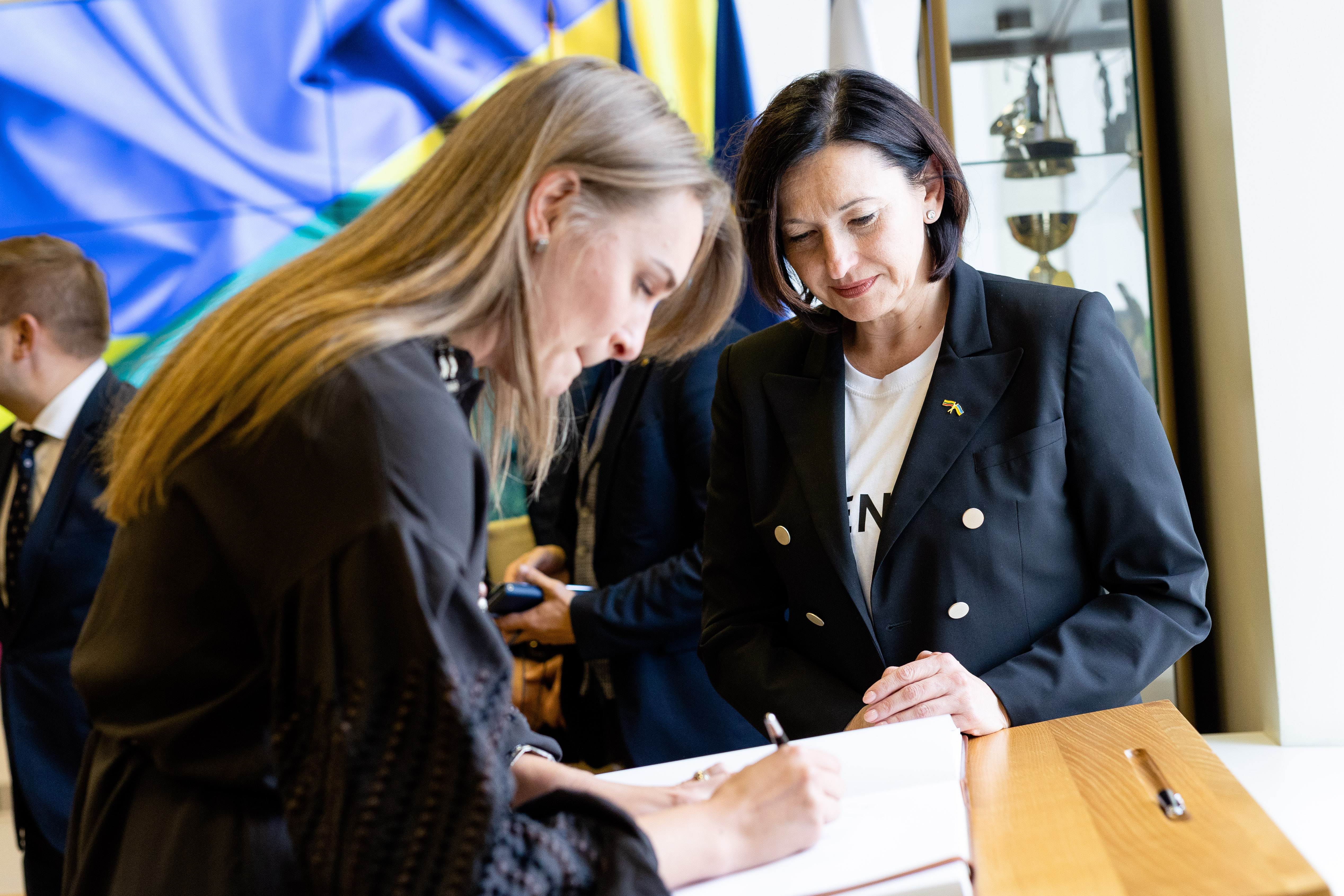
Kateryna Lukashova, the USAID RADA: Next Generation Program coordinator, adds that umbrella organizations also have a much greater potential to implement large-scale projects: "Communities unite in fairly large organizations. For example, we met the association leader who represented communities of 44 settlements. Such unifications allow communities to jointly apply for financing their initiatives, particularly from EU funds. It enables them to implement larger projects, as the community association can receive a much larger grant. They even have a separate office and people who write such projects."
Ukrainian MPs were also interested in the experience of Lithuanian European integration. They asked colleagues about the reforms' implementation and agreed to create joint working groups on adapting Ukrainian legislation to EU law. MP Solomiia Bobrovska, as a VRU Committee on National Security member, discussed defense activities and Euro-Atlantic integration with Lithuanians and agreed on conducting joint exercises. For Orest Makhovskyi, the topic of organization, functioning, and legislative regulation of free economic zones was particularly interesting: "This was especially useful in the context of the introduction and development of industrial parks in Ukraine. It facilitates developing highly efficient industrial, energy, and service enterprises."
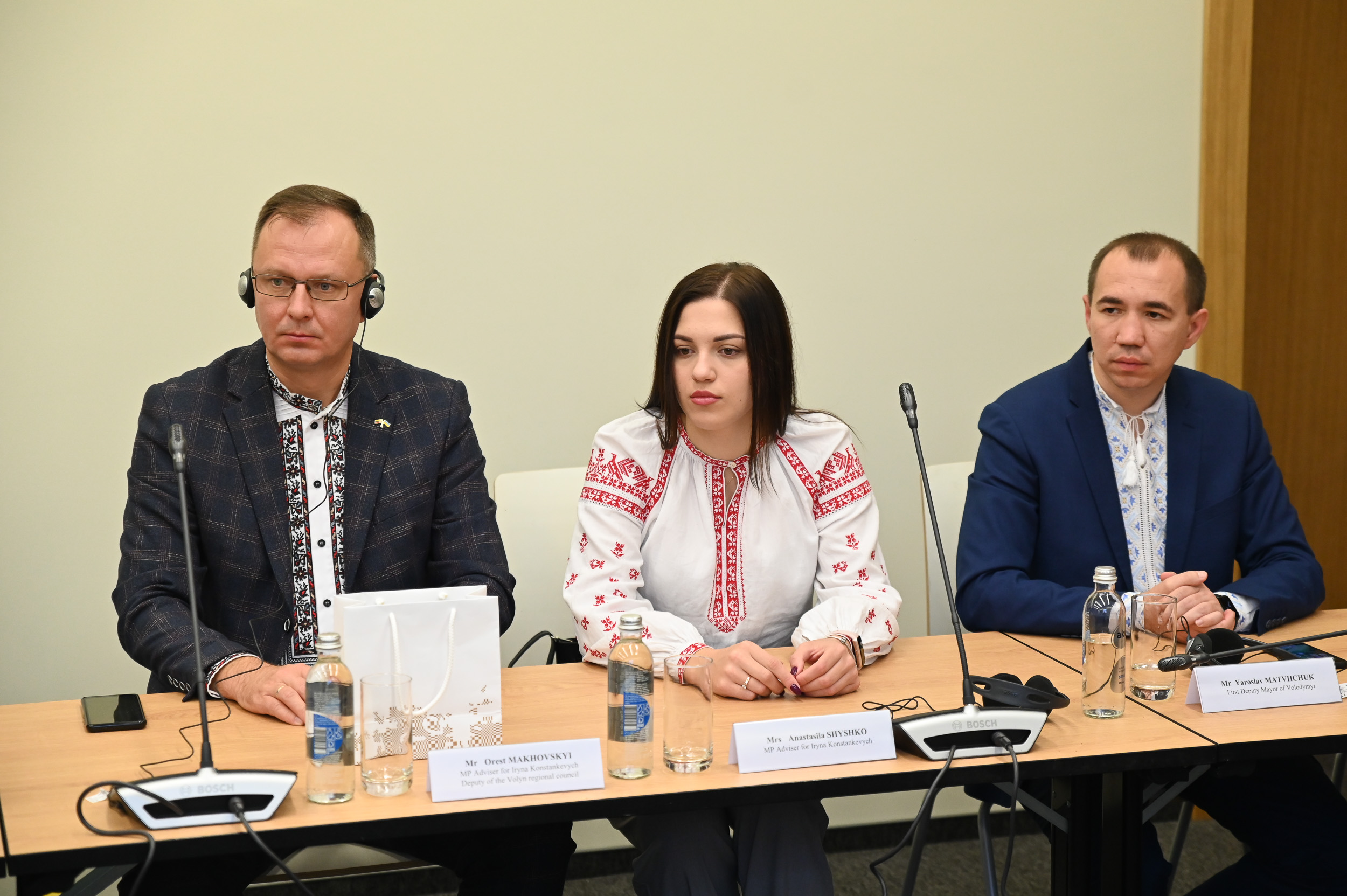
Following up on the trip, Oksana Pitsyk says that overall the impression is highly optimistic: "I liked that the program was rich. During these four days, we were able to communicate with representatives of various spheres, including MPs, local government bodies, businesses, volunteer organizations, and ministries. I was impressed by the level of support for Ukraine in society. And most importantly, Lithuanian MPs are ready to help us find district partners in their country." Therefore, the "Partnership of Districts" project from RADA: Next Generation Program provided the basis for new cooperation, the results of which should later be felt by Ukrainian voters.