

On March 29, 2023, USAID RADA: Next Generation Program presented the results of the conducted Legislative Quality Index and discussed it with MPs, experts and the International Parliamentary Union (IPU) at the International Parliamentary Technical Assistance Coordination Meeting.
VRU First Deputy Speaker Oleksandr Korniyenko noted that the Parliament uses more and more instruments to evaluate its work, as they serve as guidelines to develop internal procedures. He mentioned that the indicators of the Legislative Process Index from the USAID RADA: Next Generation Program correspond to his expectations: low scores from the public for the transparency of the parliament's work are primarily related to security measures during martial law, while higher scores from of the executive power testify to the improvement of the interaction between the parliament and government.

Mykhailo Tepliuk, Deputy Head of the VRU Secretariat, Head of the Main Legal Department, noted that the Parliament performed its duties against all odds and improved its internal procedures. In his opinion, measuring the progress of the development of democratic institutions is a very important step toward strengthening the transparency of the parliament so that it is even more open and accessible to voters and the public. He mentioned that a separate working group is working on improving the institutional capacity of the Parliament and the Secretariat. During the full-scale invasion, MPs adopted almost 400 laws, 239 of them using accelerated procedures. Mykhailo Teplyuk also noted the support from the USAID Rada: The Next Generation program for improving the institutional capacity of the parliament. He added that the results of the index would serve as a tool to improve the quality of work.
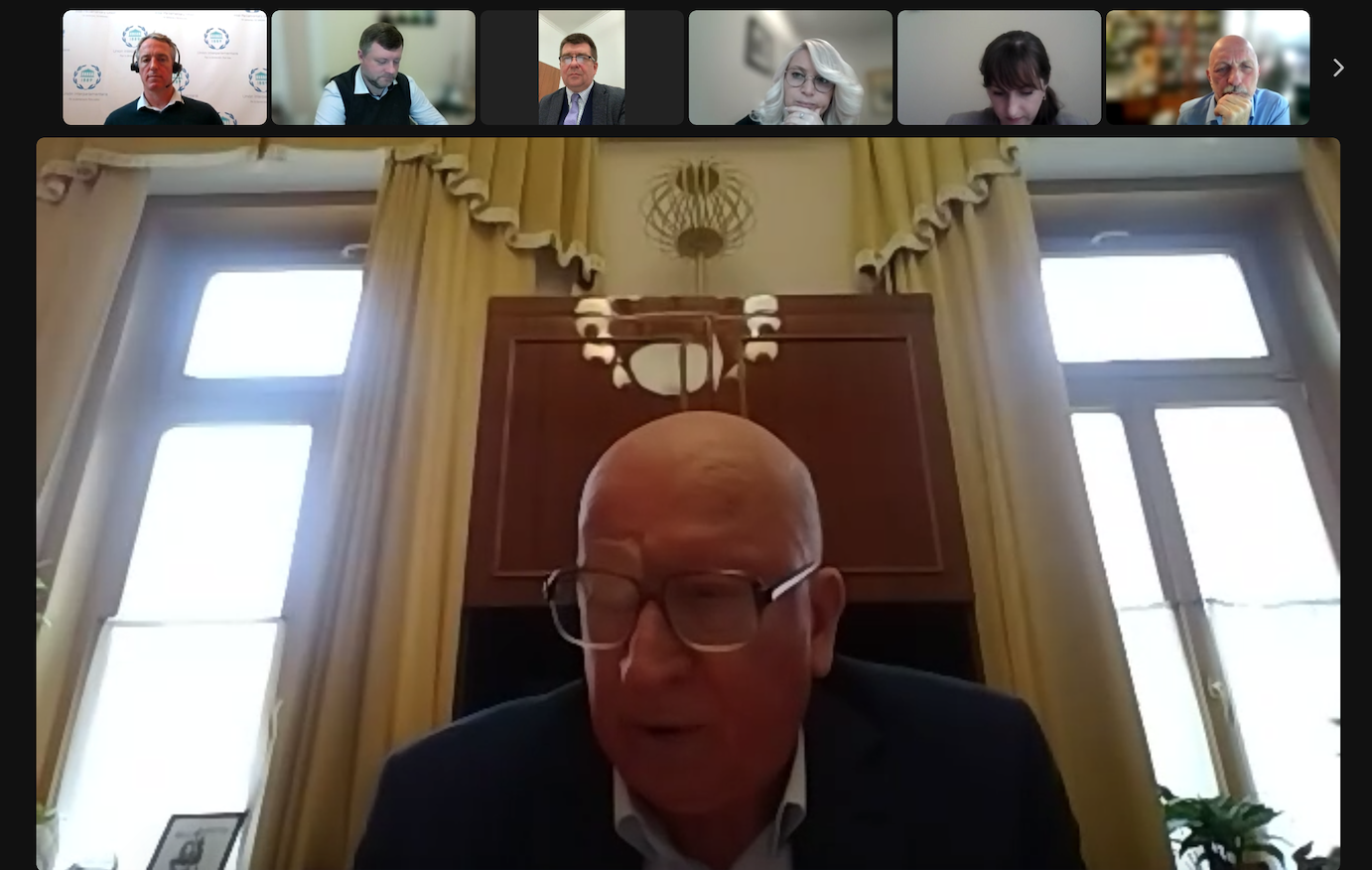
Oleksandr Piskun, Democracy Project Management Specialist, Office of Democracy and Governance, USAID, emphasized the importance of promoting next generation reforms to strengthen Parliament’s accountability to citizens. Parliament is a key institution for ensuring the Euro-Atlantic integration of Ukraine. Oleksandr Piskun noted that in public opinion polls, the parliament receives an increasingly high level of trust. He also mentioned the importance of joint work and coordination of the Parliament with local self-government bodies and businesses.
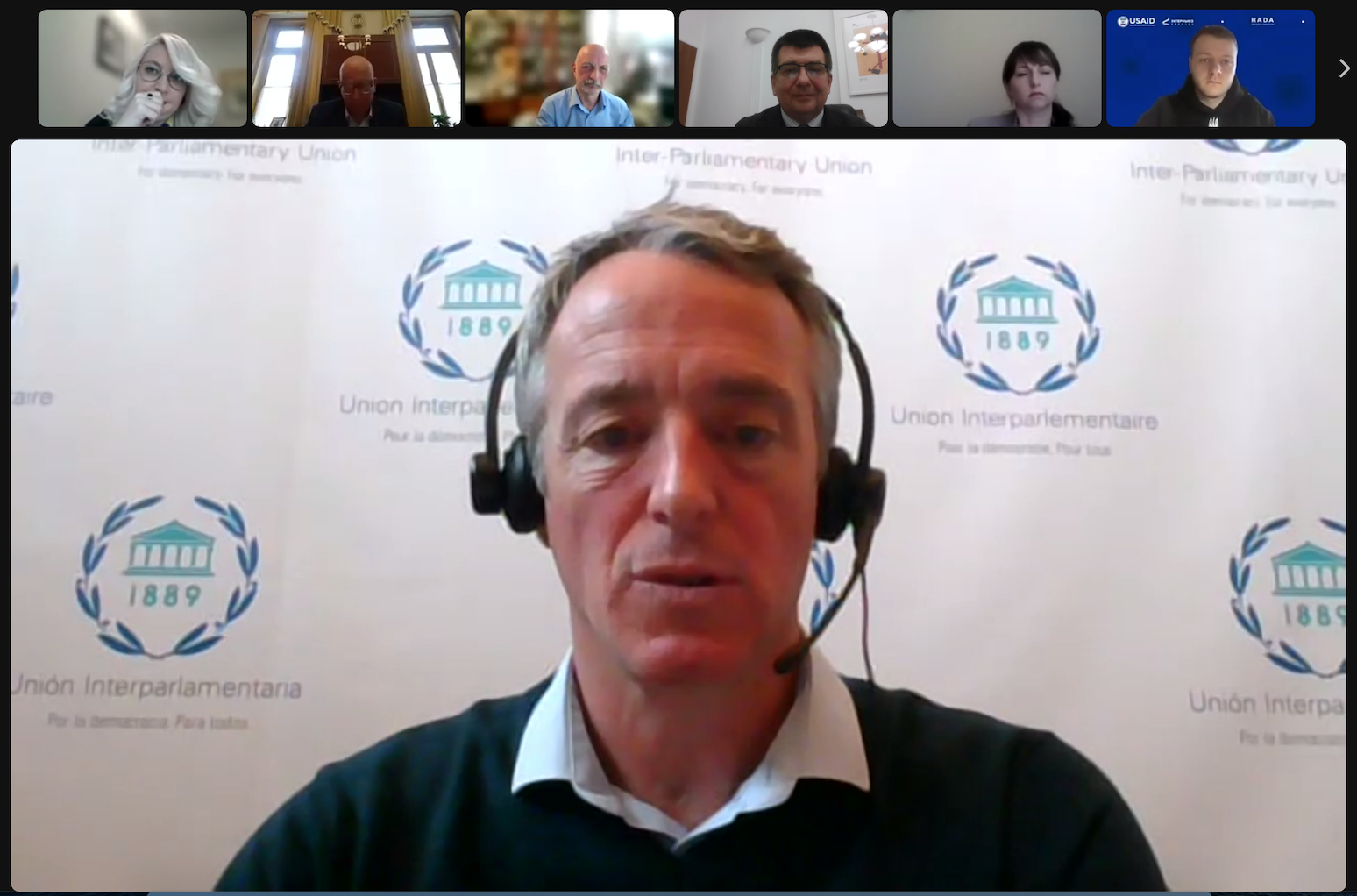
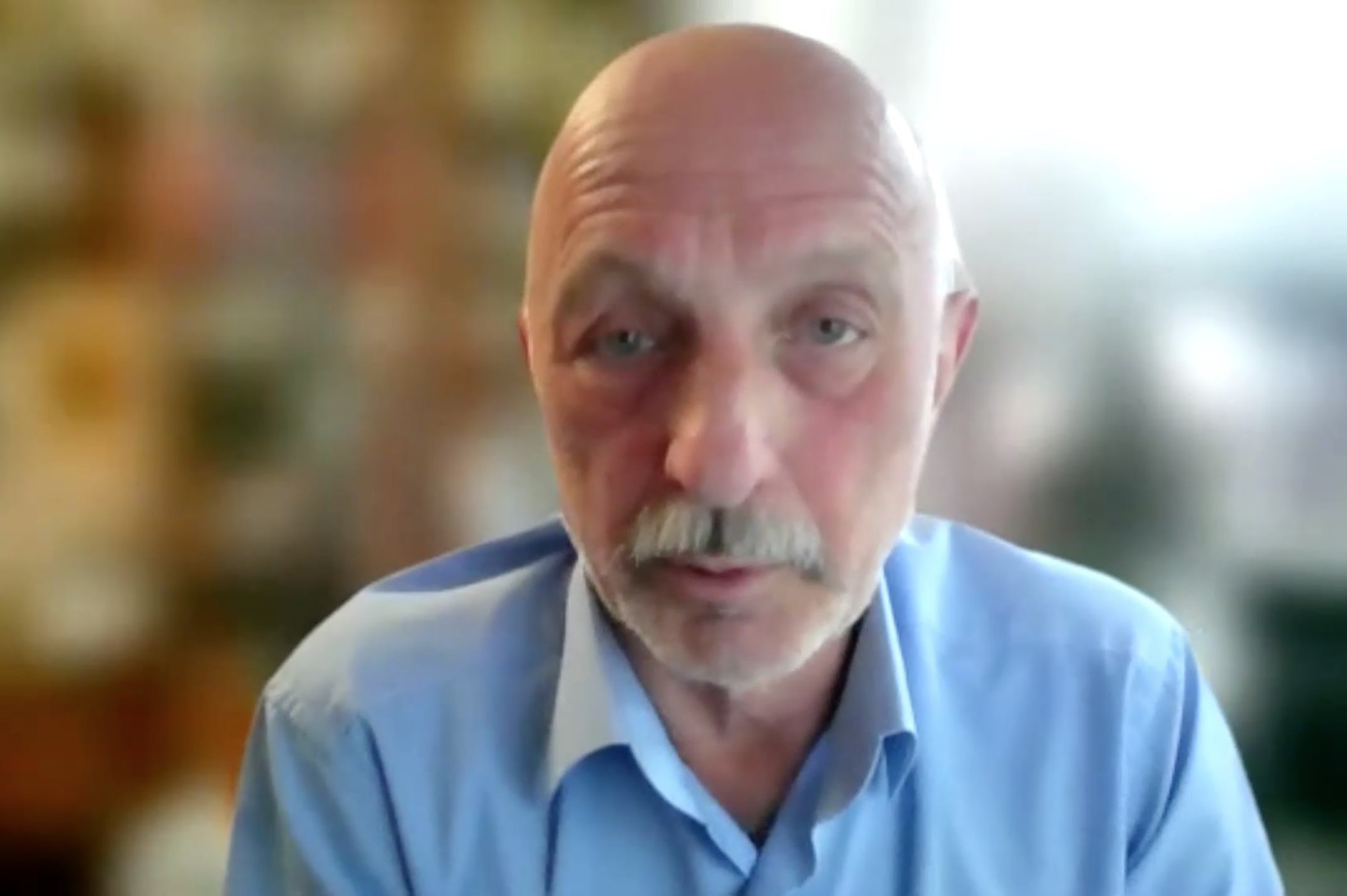 Andy Richardson, Program manager on parliamentary standards at the International Parliamentary Unit, mentioned that there are 25 key indicators that the IPU uses. They include: autonomy, administrative capacities, effectiveness, accountability, and those Indicators for Democratic Parliaments are broken into several categories: Targets, Sub-Targets, Indicators, Dimensions, Criteria. According to him, the IPU releases the preliminary version of indicators in order to receive feedback from 50 parliaments, but the parliaments’ secretariats play a major role in self-assessment.
 Yulia Shypilova, Programme Officer Eastern Europe at the Regional European Programme, IDEA, presented their methodology regarding evaluating democratization, IDEA uses five major criteria: integrity of state governance, fundamental human rights, civil society engagement, representative government, and government oversight. In particular, Ukraine’s democratic development is a bit higher than the average among democracies.
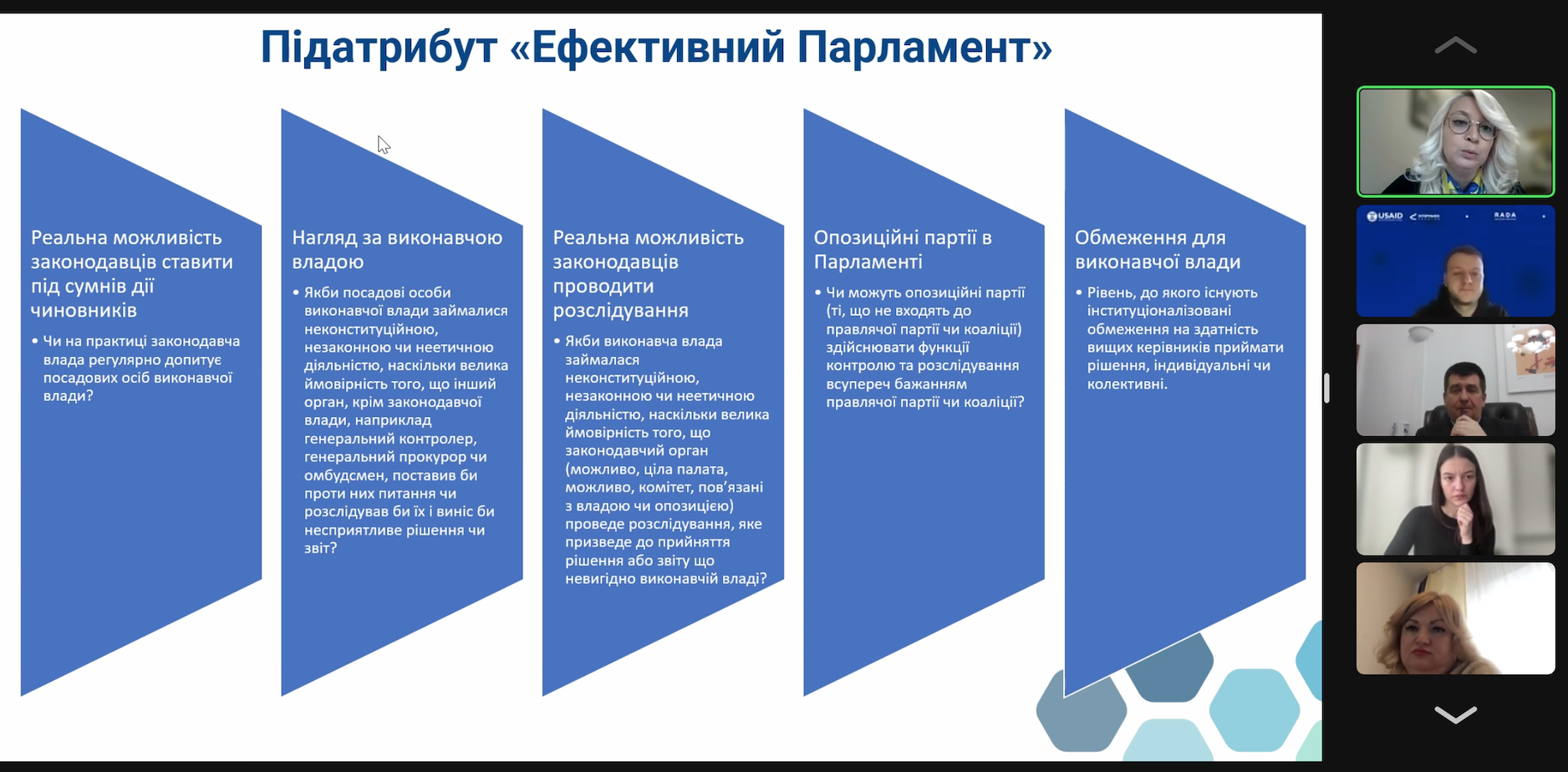 During the meeting, the USAID RADA: Next Generation team presented the Index of Quality of the Legislative Process. Index is a self-assessment tool of the legislative procedures, their effectiveness, and compliance with international parliamentary standards. It measures the quality of VRU’s legislative process based on the five indicators:
Volodymyr Venher, Legislative Capacity Building Senior Expert, noted that the new methodology, based on self-assessing, was applied to evaluate the work of the eighth session of the VRU’s ninth convocation. 130 officials participated in the survey, namely politicians, the VRU Secretariat, civil society, and other stakeholders
 Serhii Kalchenko, Chair of the Committee of the Verkhovna Rada on Rules of Procedure, Parliamentary Ethics and Administration of Verkhovna Rada’s Work, noted that the results of the Index show that MPs and their aids are stricter toward their work compared to executive authorities and it indicated that Parliament is more consolidated.