Every session, the USAID RADA: Next Generation Program calculates an index to assess the performance of the parliament based on 5 criteria: legislative capacity, transparency, adherence to procedures, stakeholder engagement, and quality of expertise.
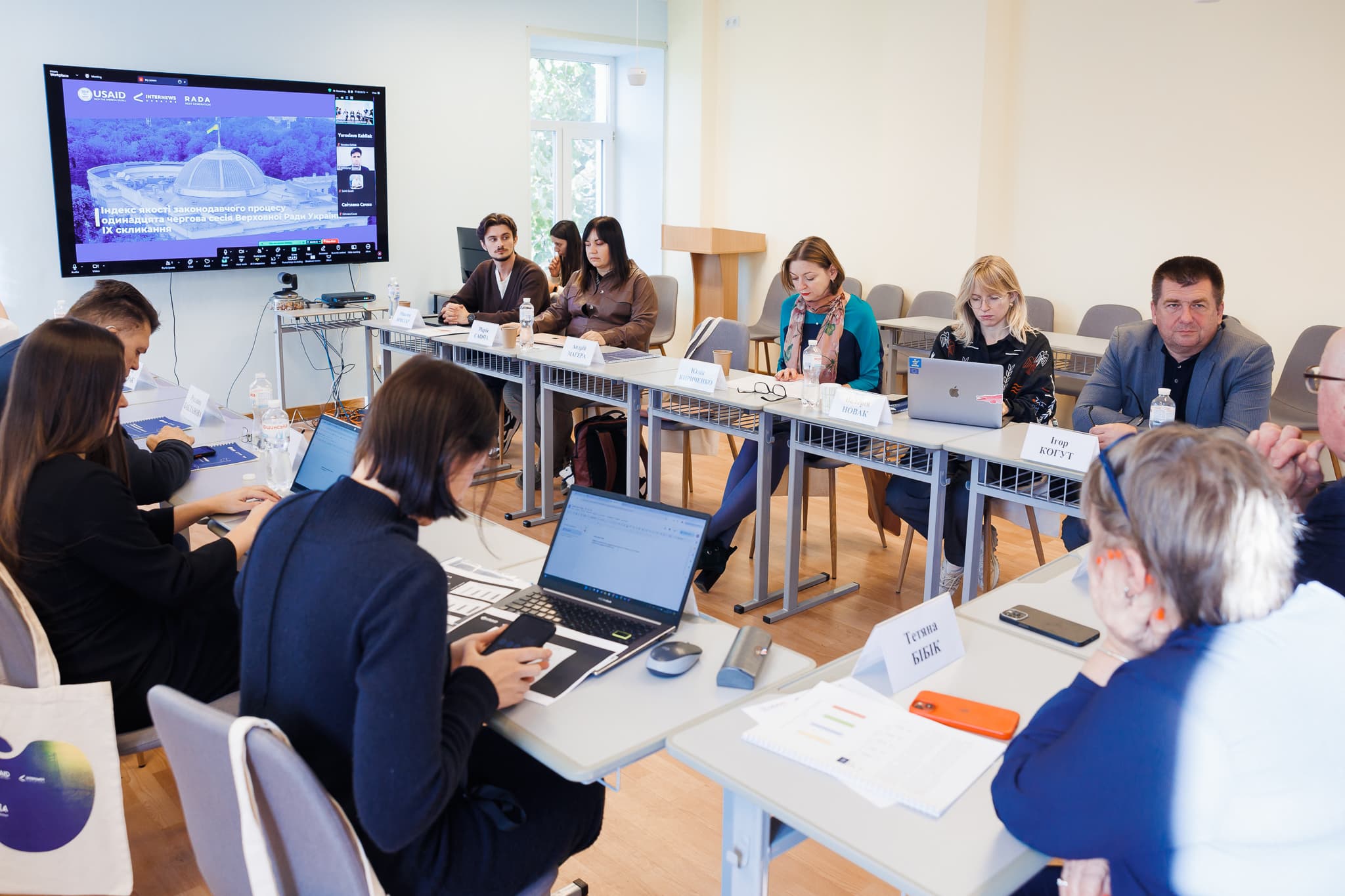
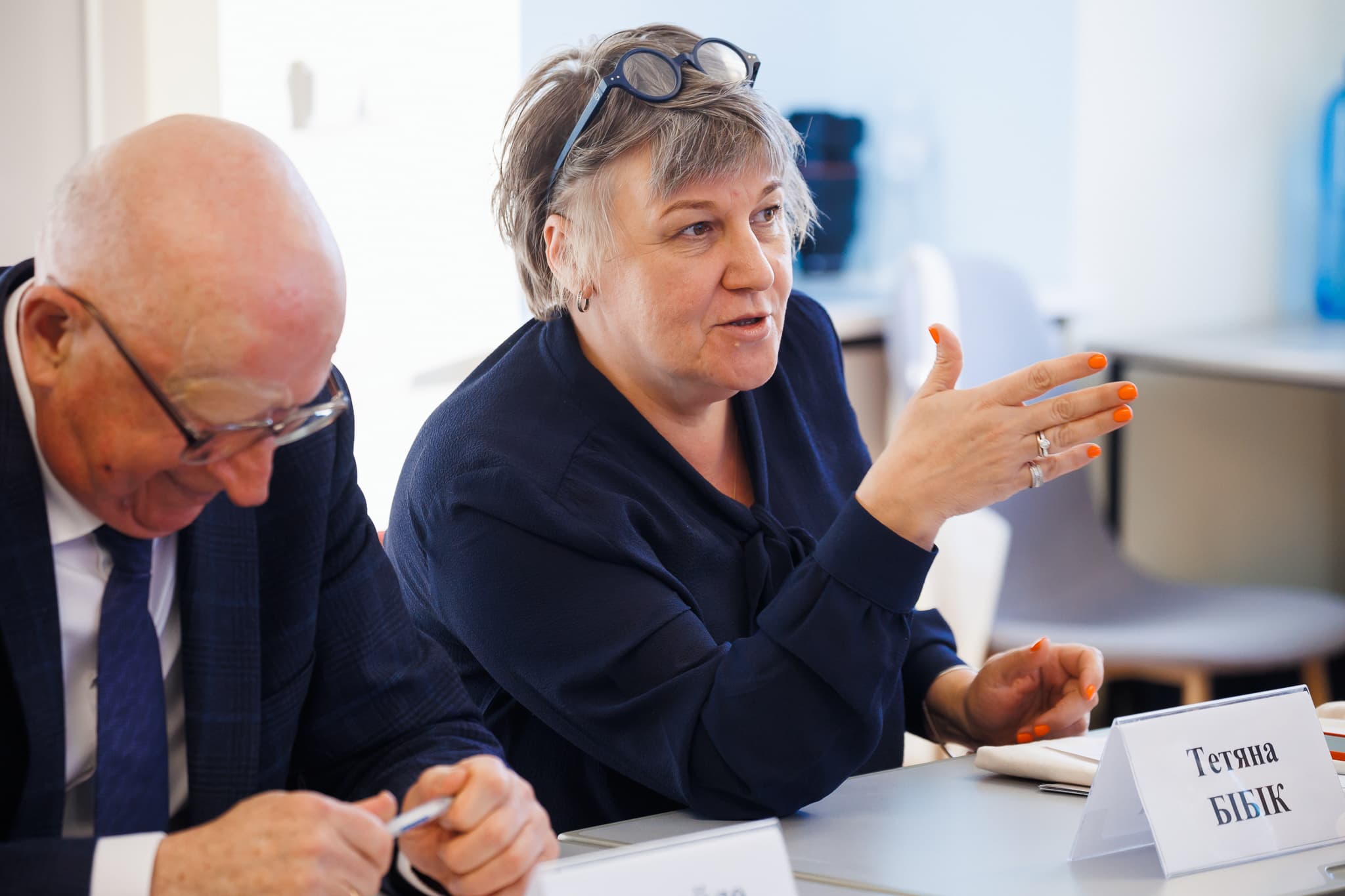
On October 24, an expert discussion of the results of the Legislative Process Quality Index for the 11th session of the IX convocation of the Verkhovna Rada took place, attended by representatives of the parliament, academia, and civil society. According to Tetyana Bibik, Deputy Director of the RADA: the Next Generation Program, such analytical products strengthen the institutional memory of the parliament and form a knowledge base that exhaustively shows "what the Ukrainian legislative practice is like."
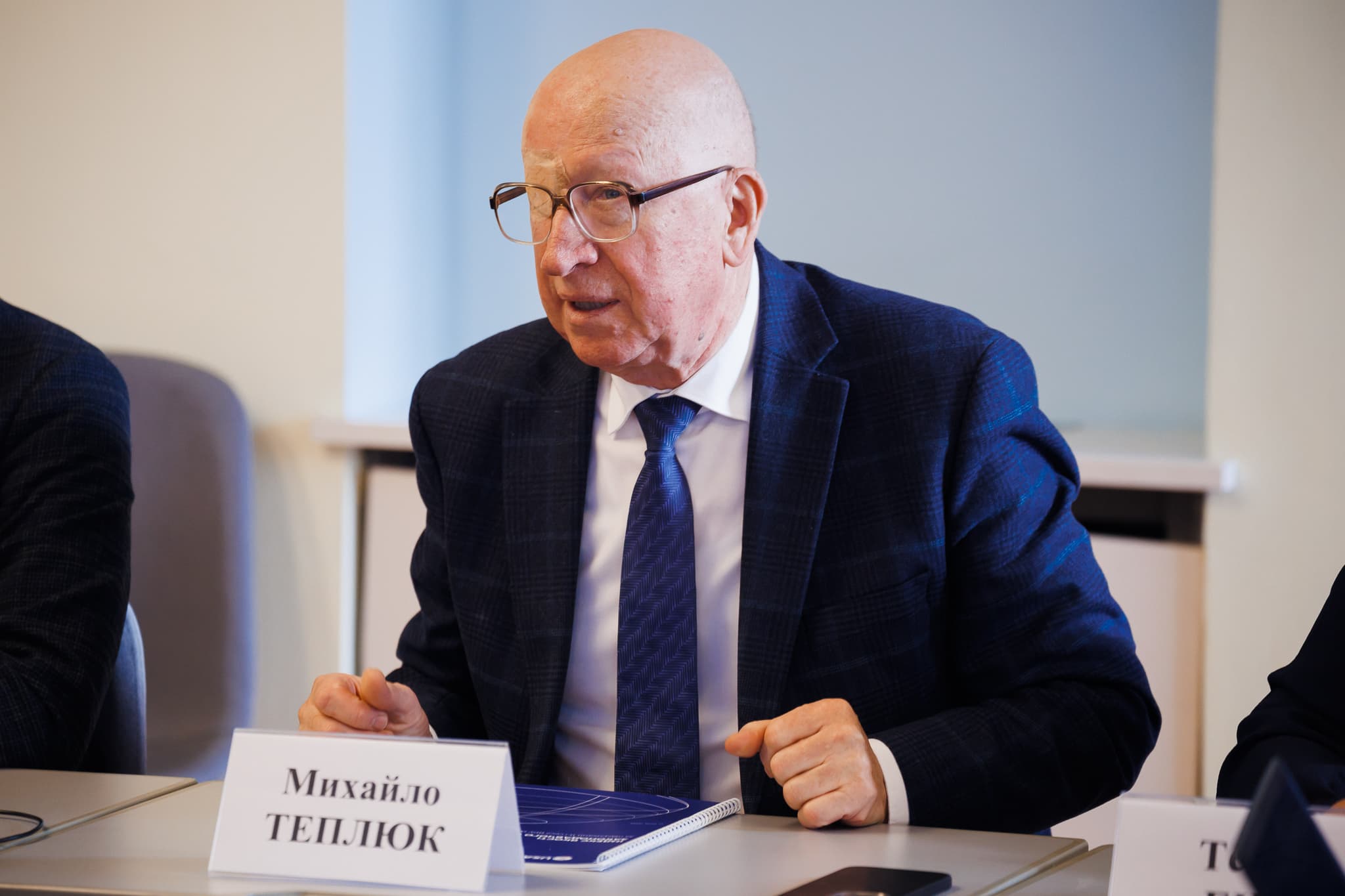
 Deputy Chief of Staff of the Verkhovna Rada Mykhailo Tepliuk added that such documents are also paid attention to by our European partners, and therefore serve as an additional incentive for the parliament to improveitself and improve the legislative process.
 The assessment is based on a survey of 4 groups of respondents: representatives of the VRU Secretariat, central executive authorities, and the expert and civil society communities. The survey results showed that the strongest aspect of the legislative process in the 11th session was the level of transparency and stakeholder engagement, while the quality of expertise and legislative capacity require the greatest improvement.
At the same time, the overall legislative quality index has been growing for the second session in a row and is a record high (3.55 out of 5) compared to the previous five sessions of the IX convocation of the VRU. Experts discussed what factors could have influenced this change and how to further improve the work of the Parliament.
 The public presentation of the Index results will take place later - we will publish the full report at the same time.
The Legislative Process Quality Index is an internal assessment of the Ukrainian parliament, developed with due regard to international standards and foreign experience. It is an instrument of soft influence on the democratic development of parliamentary procedures and promotes the adoption of new effective legislative practices.