

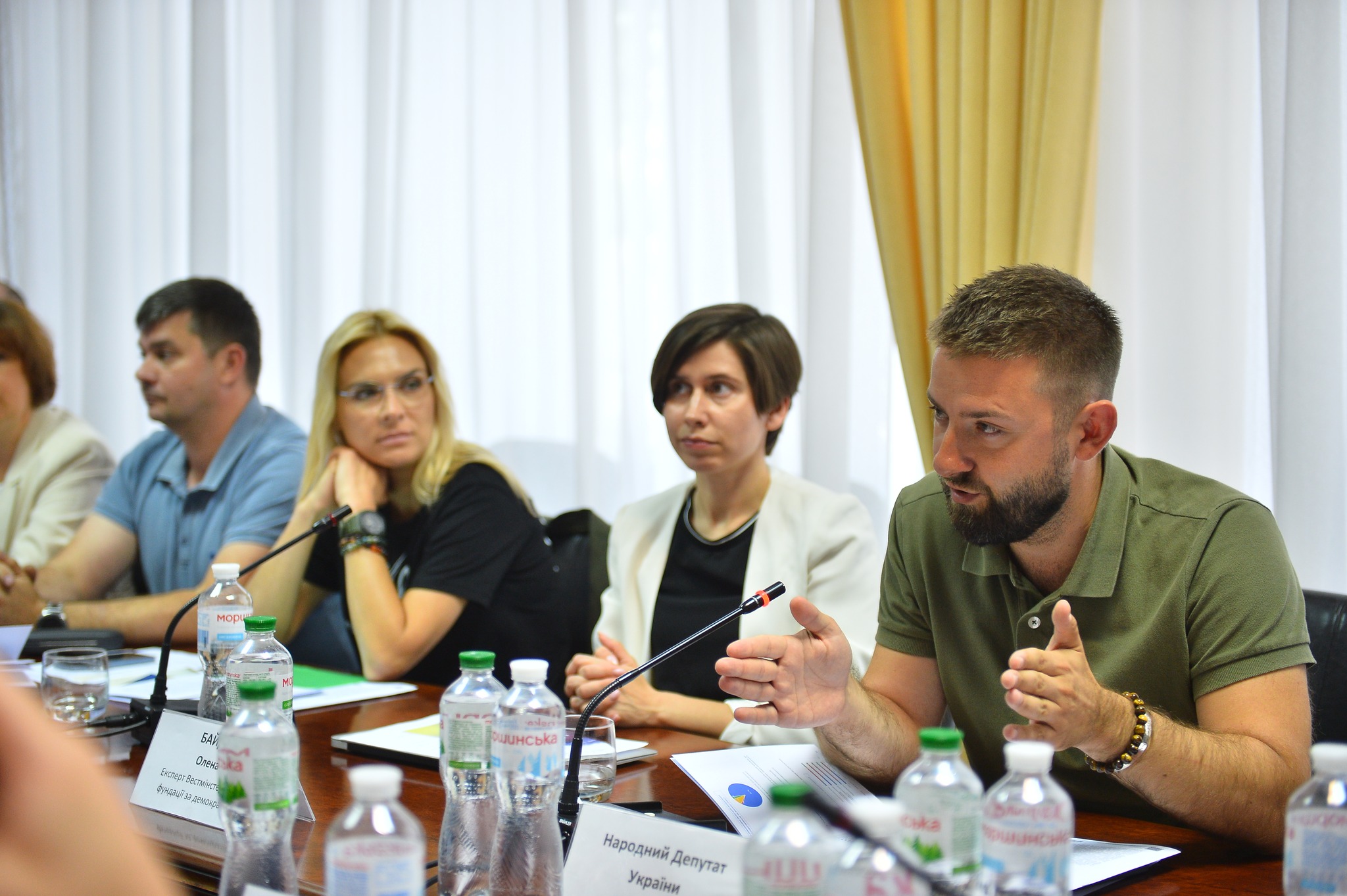
On 20 July, the Verkhovna Rada Committee on Energy, Housing and Utilities Services presented the results of a study of the application and effectiveness of specific provisions of the Law of Ukraine "On Energy Efficiency," which the Committee implemented jointly with the USAID RADA: Next Generation Program and experts of the Westminster Foundation for Democracy.
The Program and its partners are implementing post-legislative control scrutiny (PLS) in the VRU committees to strengthen the parliament's oversight function and improve Ukrainian legislation. PLs allows the evaluation of the application of laws, the study of their impact, and adjust policies if necessary.
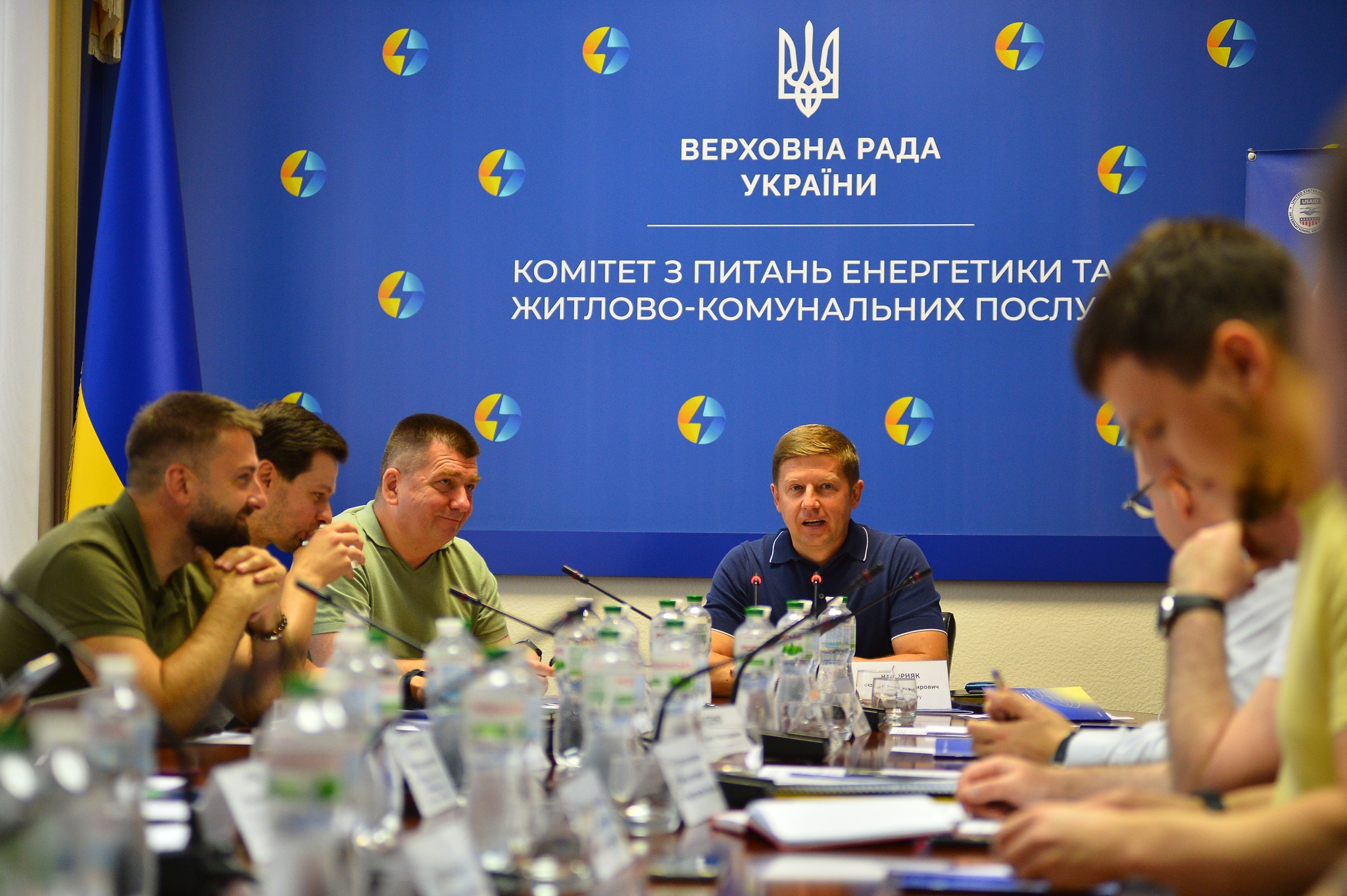
"It is a monitoring and analysis of the extent to which the law achieves its purpose. I hope that with each new analysis, we will get closer to introducing norms into the legislation that will improve it not from the point of view of lobbyists, but following the needs of the consumer, every Ukrainian," said Igor Kogut, Director of the RADA: Next Generation Program.
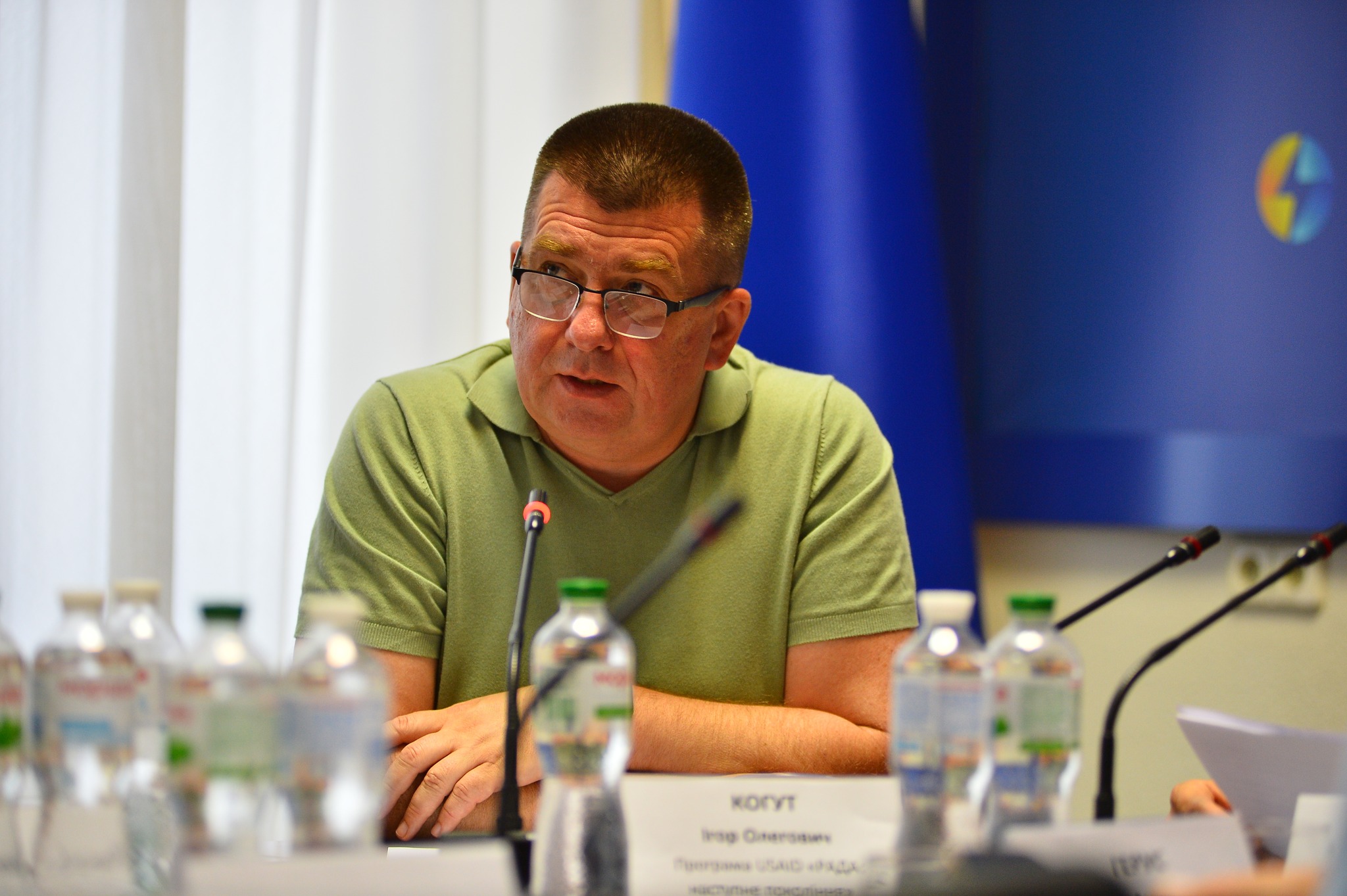 In particular, a survey of 370 representatives of self-government bodies showed that only a quarter of communities have implemented energy management systems. The study also revealed the main reasons why the law is ineffective.
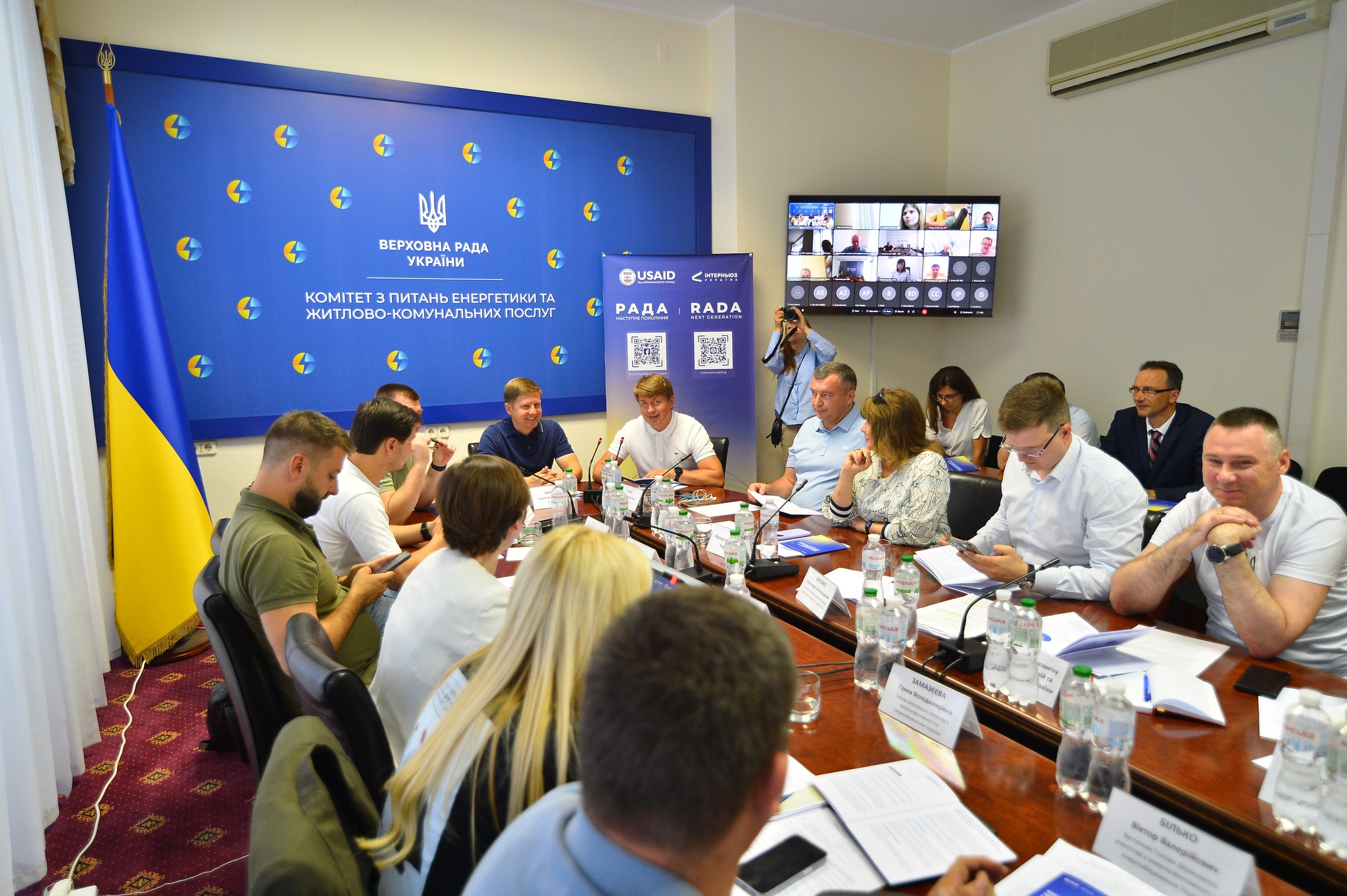
As noted by a member of the Committee, MP Viktoria Hryb, "The big mistake of the Rada is to replicate laws that do not work after they are adopted. Monitoring the implementation of laws and the forecasted impact of draft laws is the basis for effective lawmaking. Our efficiency in energy and construction is the key to economic success, without which it is impossible to resist external aggression."
 The USAID RADA: Next Generation Program has already conducted pilot projects of the PLs in three parliamentary committees, which were positively assessed by the VRU leadership. The program will continue to implement the best practices of the PLS and share this experience with other committees.