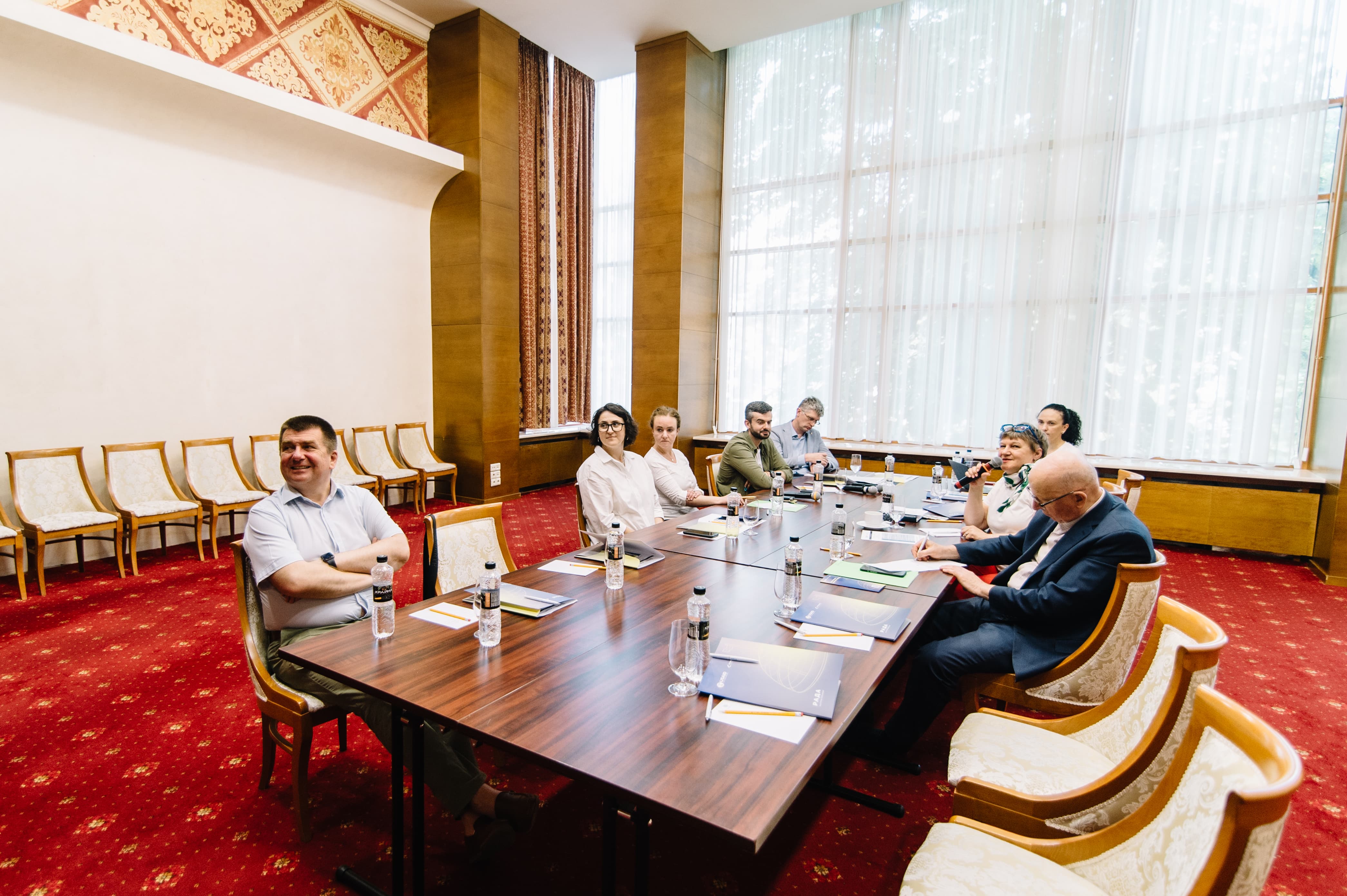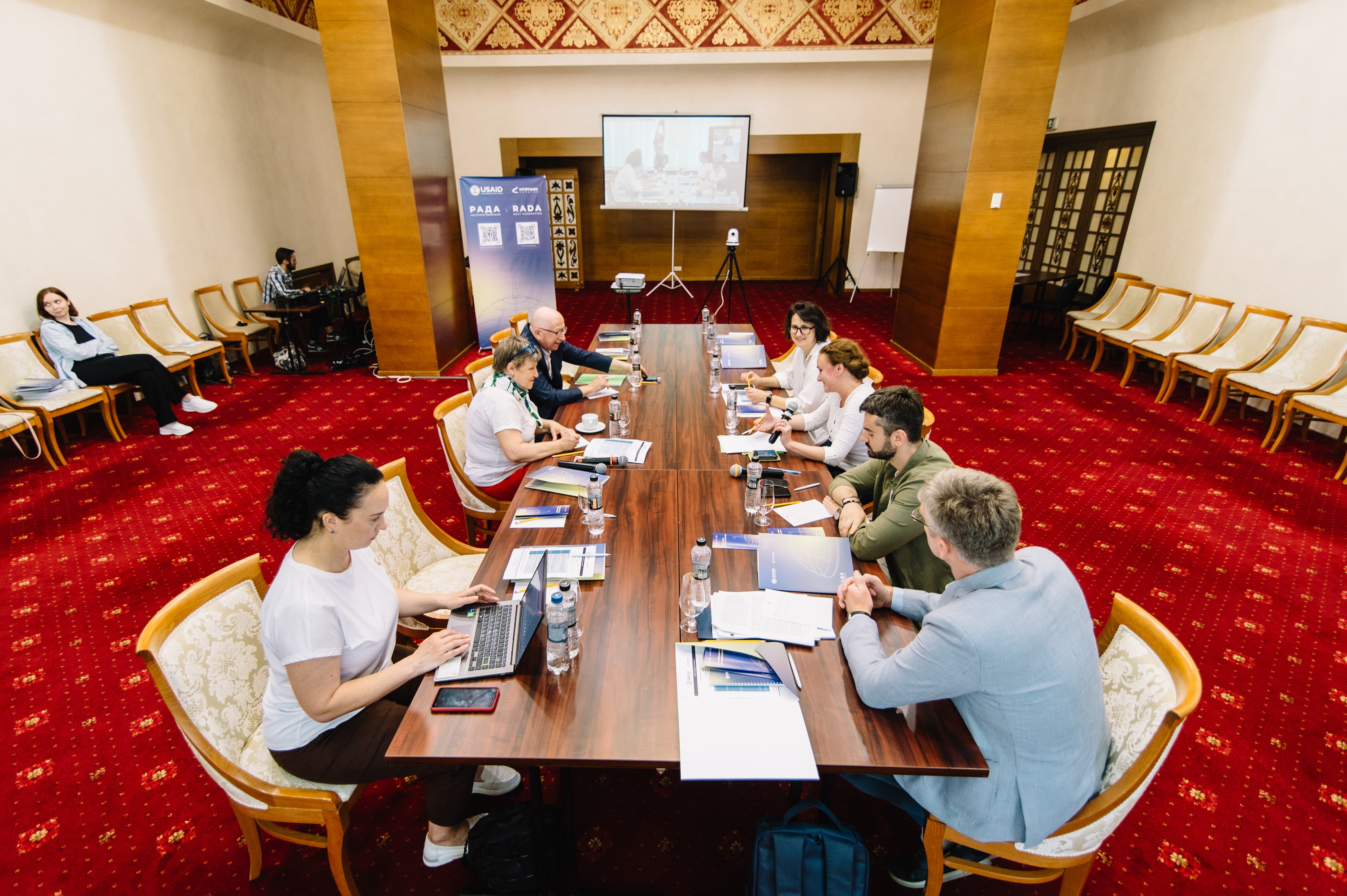
On July 6, the USAID RADA: Next Generation Program held a coordination meeting to discuss the results of a study visit to the Croatian Parliament that the Program organized in June for VRU staff. Representatives of the Croatian and Austrian parliaments and VRU Secretariat leadership also joined the coordination meeting.
The USAID RADA: Next Generation Program assists the Verkhovna Rada of Ukraine in learning from international experience to improve parliamentary procedures and develops its interparliamentary dialogue to enlist the support of EU national parliaments for Ukraine's successful EU integration and democratic development.
"The Verkhovna Rada faces two important tasks: European integration and parliamentary reform. This demand is vocal in the media, and it is also coming from society. And for these issues, international experience is invaluable, as it can become a guide," said Deputy Director of the Program, Tetyana Bibik.
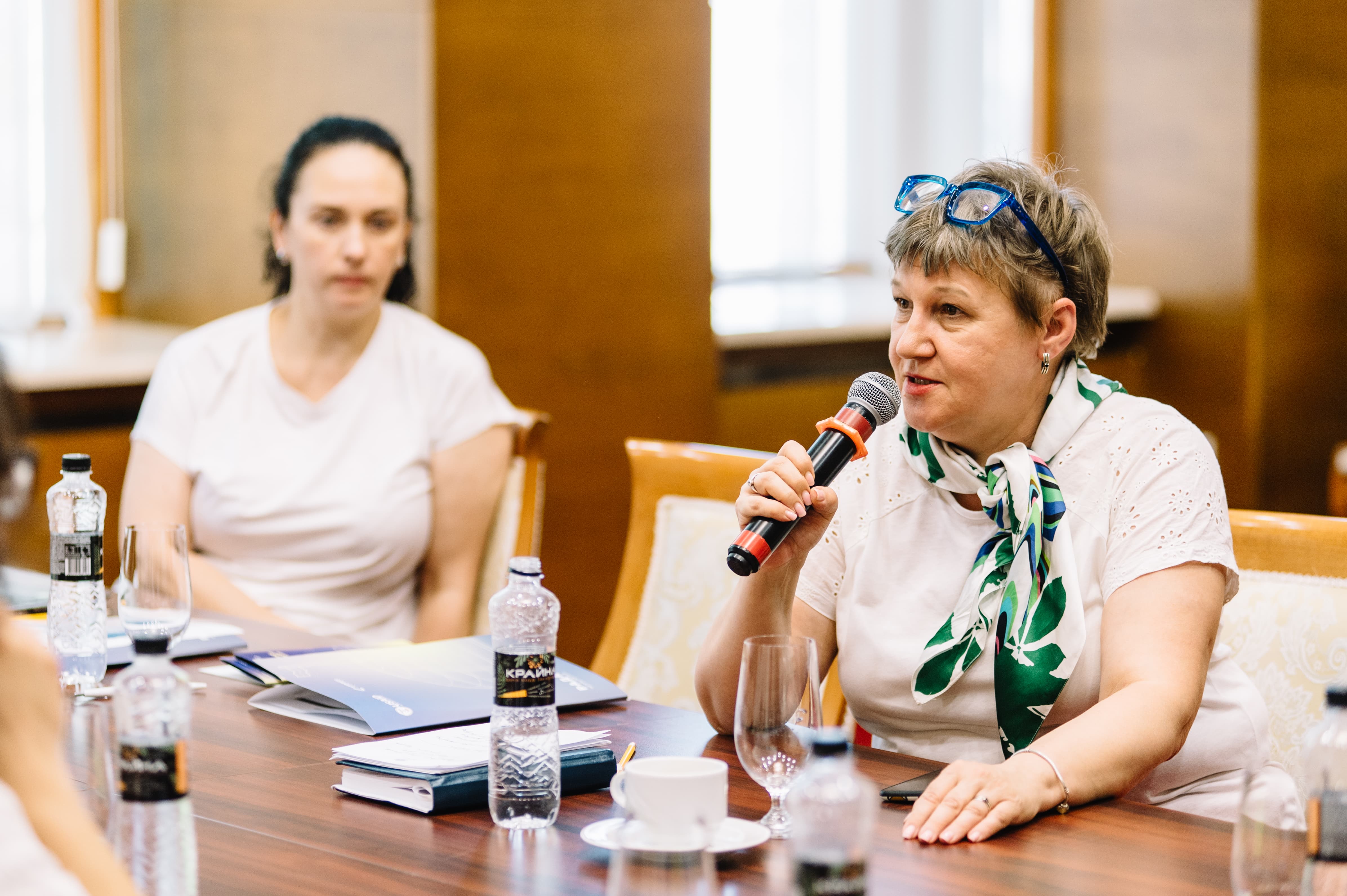 The participants agreed that continuing the format of international experience exchange is vital. "I have expanded my horizons, which help me to see what Ukraine and the Verkhovna Rada need on the path of European integration. This includes understanding how the negotiations on EU integration are going and where the limits of compromise are in the negotiations and implementation of legislation," said one of the participants of the visit to Croatia.
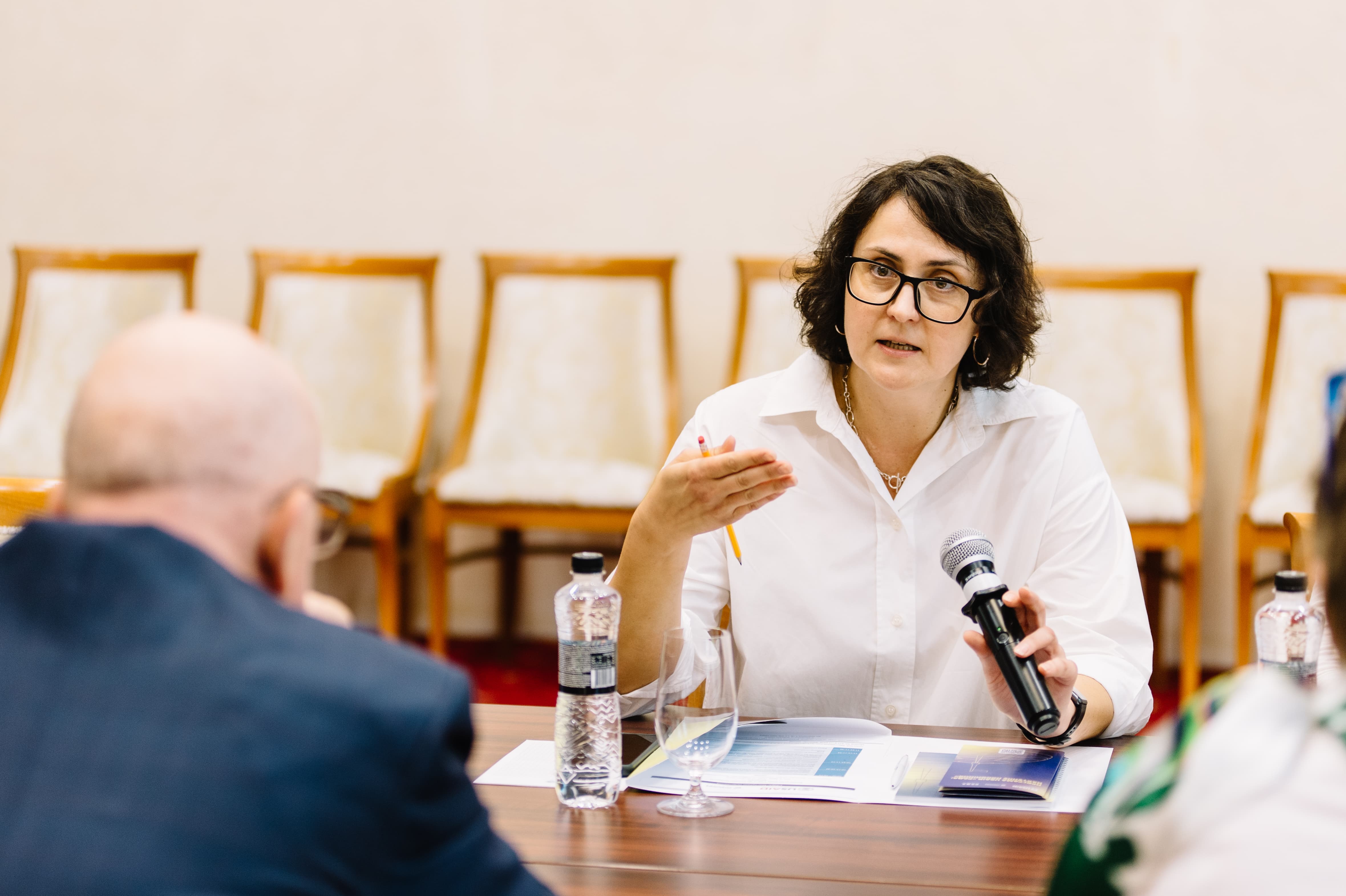 Tanya Tomic, a representative of the Croatian parliament, said that the path of European integration is not easy, so "we need to study its basics, what steps to take first, what obstacles there are, how to organize the whole process. "
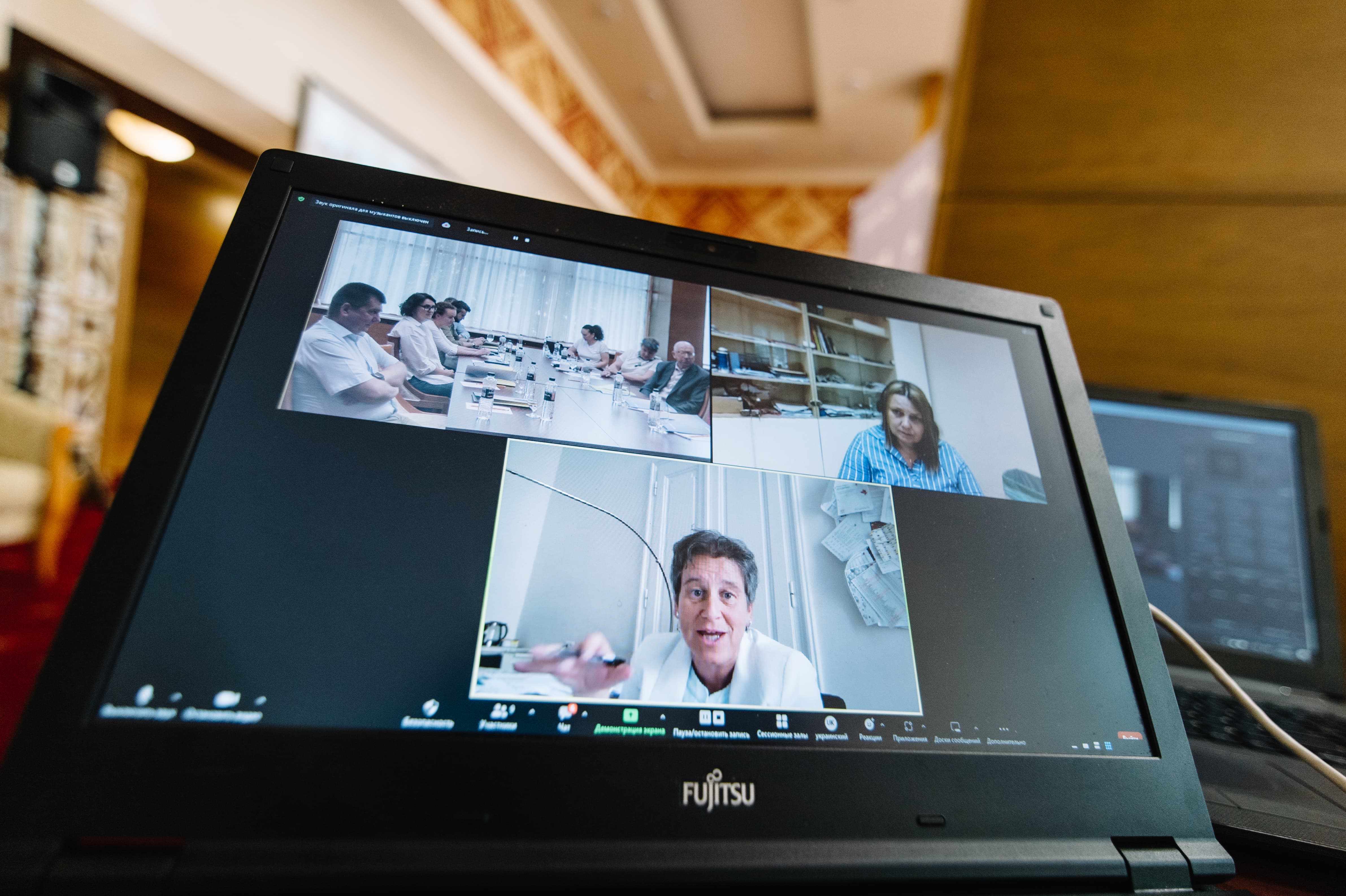
Mykhailo Tepliuk, Deputy Secretary General of The Verkhovna Rada of Ukraine, added: "Communication with colleagues from parliaments that have gone through the European integration stage is precious. Not all experience can be transferred to Ukrainian realities. However, any experience stimulates reflection on how we can implement it in our country if the experience has delivered a positive impact. Therefore, I would like the experience gained to lay a solid foundation for further cooperation in areas where our Ukrainian colleagues see the practicality."
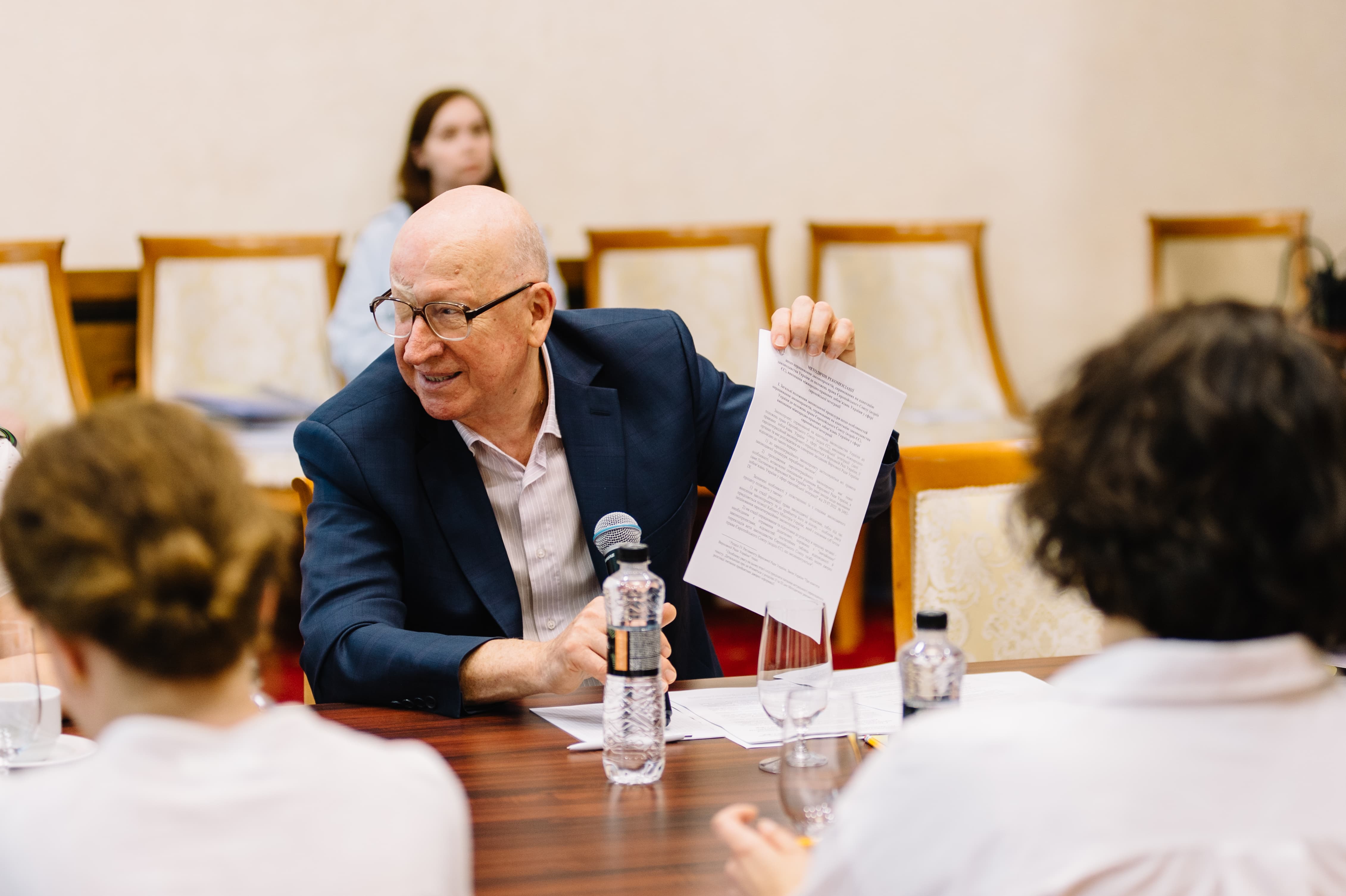 Representatives of the Croatian and Austrian parliaments assured that they were ready to continue cooperation in sharing their experience and offered various formats: internships or online webinars followed by a study visit on specific topics. In particular, the participants have already expressed a desire to learn more about the interaction of the Croatian parliament and government in drafting legislation.