
Success stories
How international cooperation is strengthening Ukraine's Parliament
In February 2022, the Ukrainian people bravely repelled Russia's brutal full-scale invasion, thwarting Putin's plans to capture Kyiv in three days. This heroic resistance demonstrated that democracies can effectively fight against powerful modern autocracies. However, to defeat the enemy, Ukraine must build its institutional "muscles" as well as its military ones. International support and assistance, integration into the EU and NATO, and post-war reconstruction are all dependent on whether Ukraine's democratic institutions are as capable and resilient as the Ukrainian people.
The Verkhovna Rada of Ukraine (VRU) is one such institution. Today, the Ukrainian parliament is forced to work under harsh conditions: not only did it have to quickly adapt to new military realities, it also must make critical decisions for the state while pursuing the Ukrainian goal of European integration. To become a member of the EU, Ukraine must align its national legislation with the EU ‘acquis’, which involves, among other things, reviewing close to 30,000 pieces of legislation.
To assist with this momentous transition, the USAID "RADA: Next Generation" Program works with the Verkhovna Rada to provide opportunities for parliamentary staff and Members of Parliament to interact with their European counterparts.
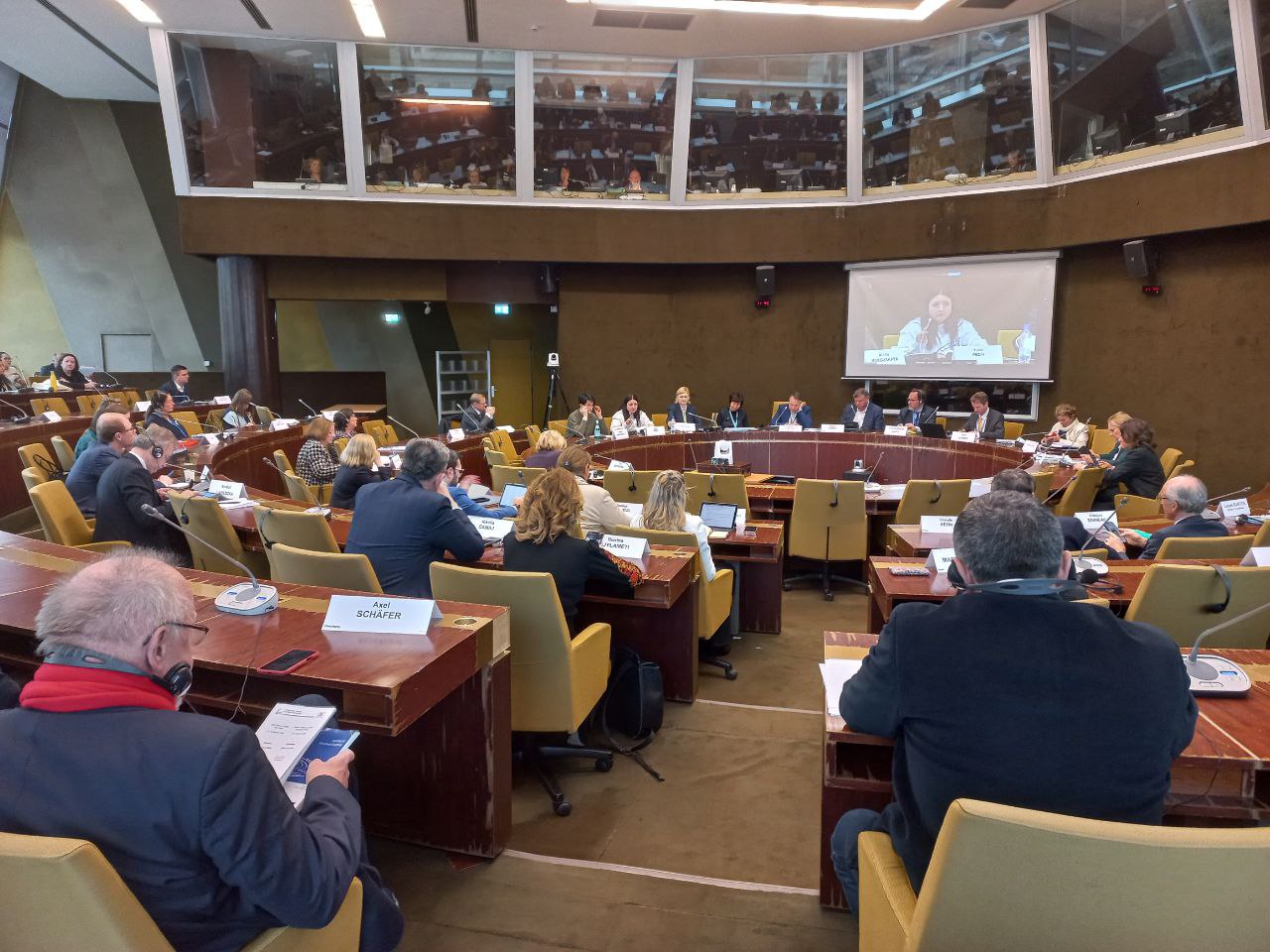
To this end, in January 2024, the Program organized a study visit to the Council of Europe (CoE) and the Parliamentary Assembly of the Council of Europe (PACE) in Strasbourg, France. According to Program Director Igor Kogut, "the visit opens up great prospects and new opportunities for cooperation with PACE committees and European parliaments at the horizontal level." In his opinion, Ukraine's integration into the EU should be carried out in accordance with the standards of the Council of Europe, as it "is a benchmark in matters of culture, human rights, rule of law, and democracy."
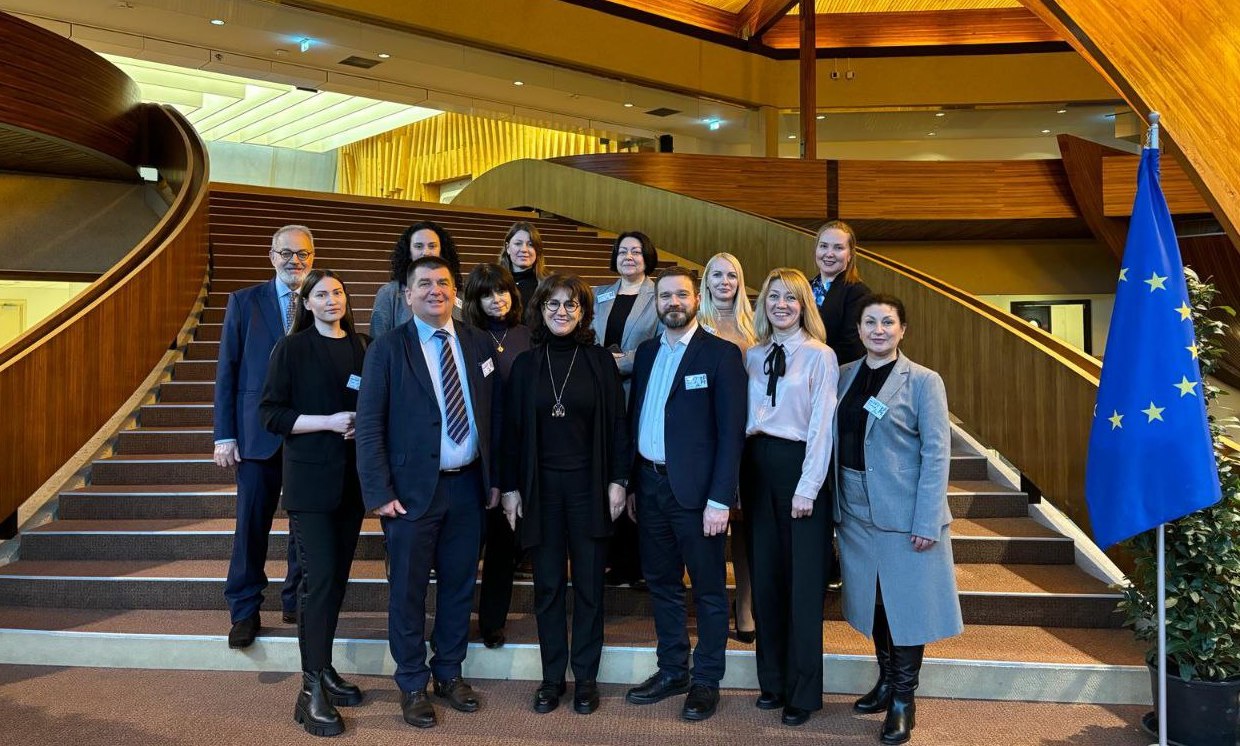 The Ukrainian delegation included representatives of the Verkhovna Rada committee secretariats and the VRU Secretariat units. When asked for their impressions of the visit, they agreed that it is only trips like these that allow them to fully immerse themselves in the working atmosphere, to explore and clarify everything, and to establish contacts. As a result, VRU and PACE representatives have put in place a roadmap for further cooperation, incorporating bilateral interaction between the committees and their secretariats, joint projects with the European Center for Parliamentary Research and Documentation, and knowledge exchange about the functioning of CoE and PACE information resources.
"The program of the visit was intense and diverse. Each representative of the Ukrainian delegation could find something useful in their field and meet their European counterparts," says Nataliia Korniyenko-Zenkova, Deputy Head of the Secretariat of the VRU Committee on Legal Policy. "Ukraine has received a great deal of attention. Everyone is interested in Ukraine and is monitoring our changes. However, it's more than just attention; it is also about support, including institutional aid regarding legislation and translations. They sincerely desire to help us join the EU."
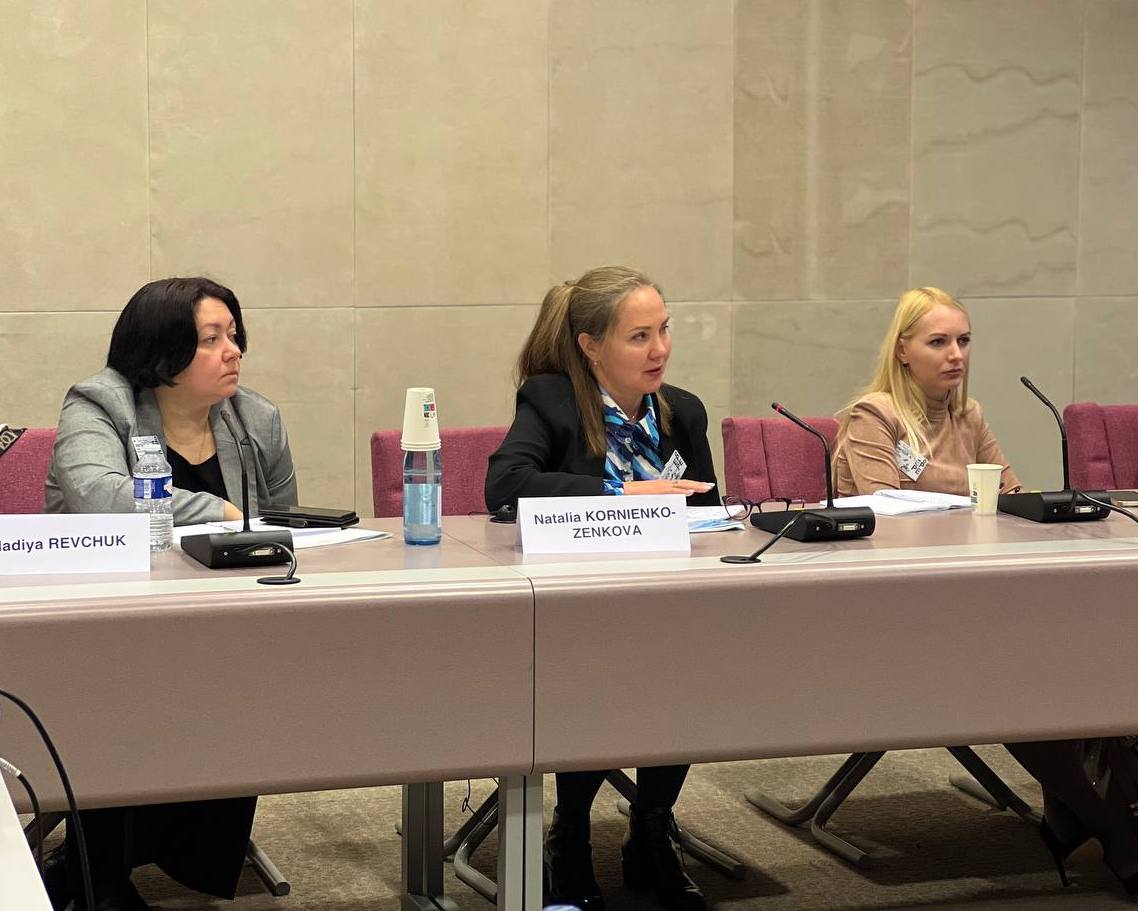 Olesia Makhnovets, Head of the Organizational Department of the VRU Secretariat, is convinced that such "further cooperation will certainly have a positive impact on the work of the Ukrainian parliament." She believes that despite the wartime challenges, the VRU staff is highly motivated and eager to work on their professional self-development to bring Ukraine's victory closer.
Another member of the Ukrainian delegation, Nadiia Revchuk, Chief Consultant of the Secretariat of the VRU Committee on Humanitarian and Information Policy, says she gained valuable experience in protecting the rights of people affected by the armed aggression against Ukraine. She also established close contacts with CoE representatives to cooperate in the field of information policy: to monitor the implementation of media legislation; to align Ukrainian legislation with EU standards; and to counter propaganda and disinformation.
 And while Russia continues to struggle in its aim to destroy Ukraine, the VRU staffers are already making every effort to rebuild the country of their dreams. Nadiia Revchuk envisions the future Ukraine as "a legal, economically developed state with a decent standard of living and where inclusiveness is one of the main components in the post-war future."
Ms. Kornienko-Zenkova summed up the value of the VRU study trip to Strasbourg: "The very fact that I am in Ukraine, have children, and want a bright future for us is my greatest motivation to improve myself and our parliament. I am here, and I want Ukraine to develop. And if somehow it's up to me, even by doing something such as attending these events or learning something new, I am ready. I want my country to survive and prosper."