

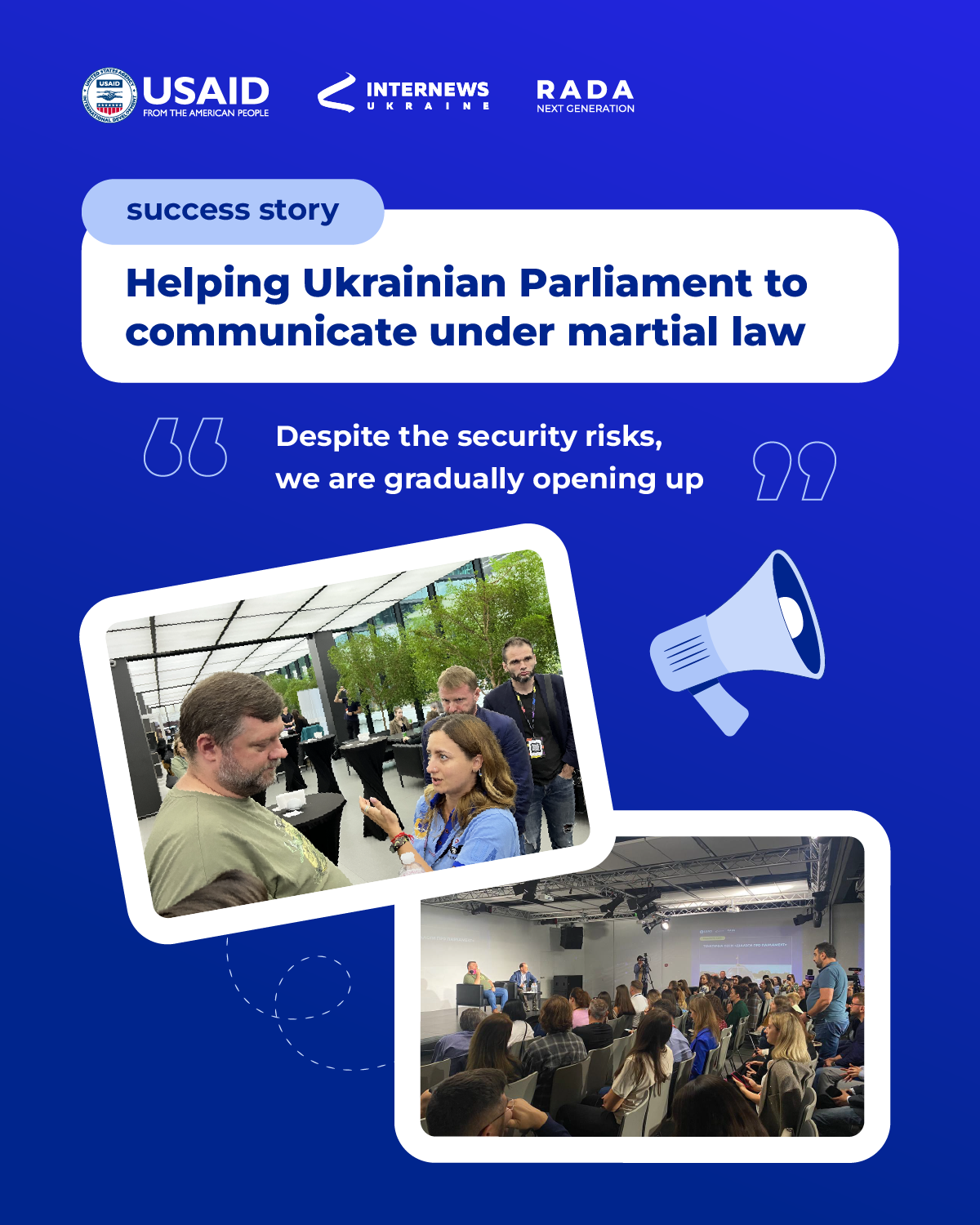
"I was able to speak with the First Deputy Chairman of Ukraine's Verkhovna Rada (VRU, Ukraine's Parliament), which is incredible. If I tried to contact him through the VRU website, I doubt I'd be successful. It would be fantastic if the Parliament had an effective communication mechanism with regional journalists," says journalist Alyona Bereza.
Alyona Bereza is the NGO leader of the Women's Anti-Corruption Movement and represents "ZHAR.INFO." It is a regional online media outlet specializing in anti-corruption investigations based in Khmelnytskyi (central-western Ukraine). "Our media is not regular. We address complex issues and strive to make legislation comprehensible to the public. Thus, we often need comments from MPs to achieve this goal," Ms. Bereza explains.
These are the journalist's thoughts after attending the "Redkolegia. Summit." On September 16, Media Center Ukraine and UNIT.City hosted Ukraine's largest media forum, which rallied together approximately 300 Ukrainian journalists this year. The USAID RADA: Next Generation Program provided grants to 50 journalists from various regions of Ukraine for their participation in the forum, covering their accommodation, travel, and other expenses.
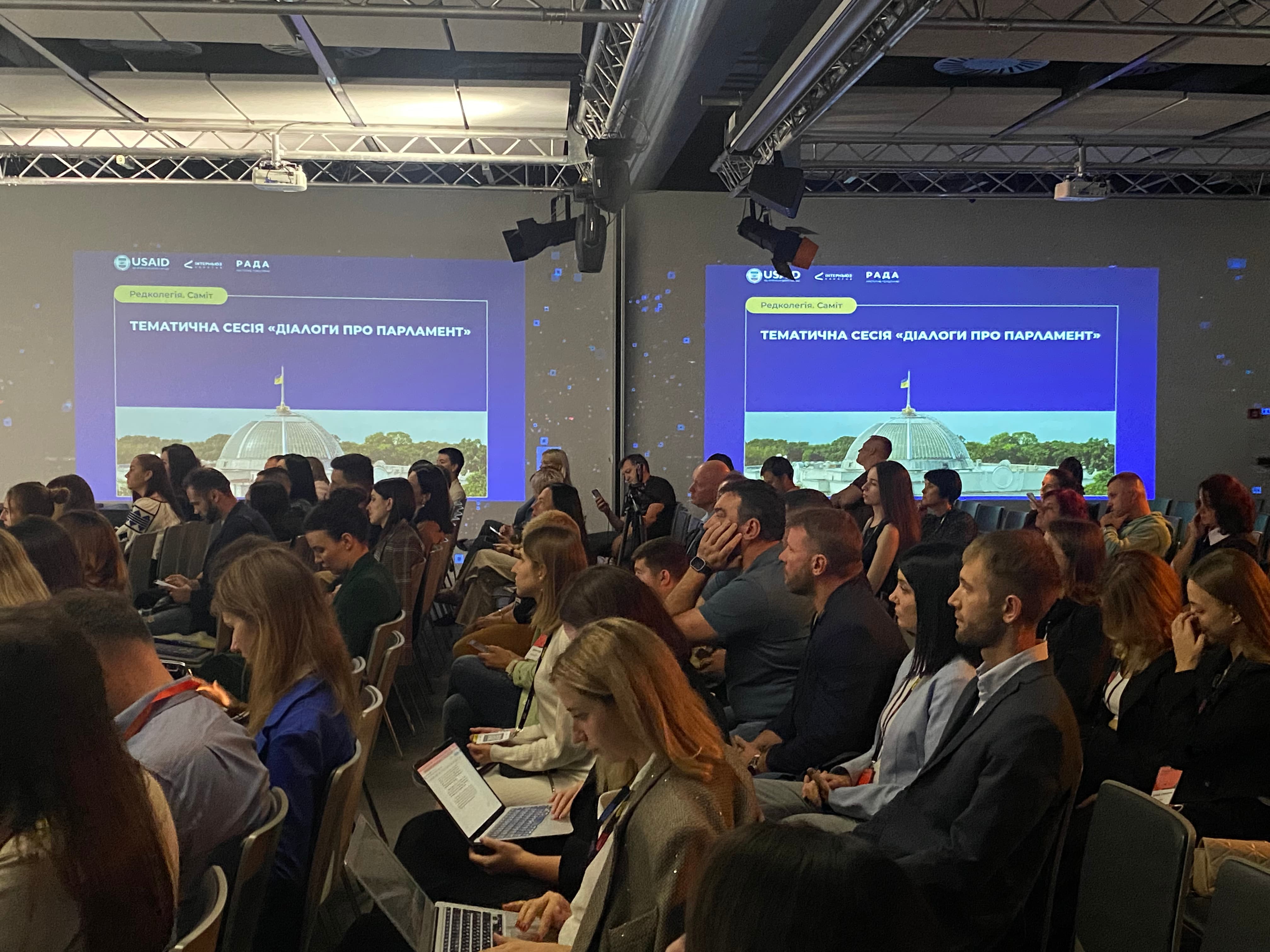 USAID's RADA: Next Generation Program seeks to assist the VRU in developing as an open, accountable, and transparent democratic institution, particularly through enhancing parliamentary communications. Active interactions with voters, including through the Ukrainian media, can increase people's trust in the Verkhovna Rada. Sufficient, honest, and clear informing builds solid ground for trustworthy relationships. That is why the RADA: Next Generation Program hosted a special discussion panel titled "Dialogues on Parliament" at the "Redkolegia. Summit," inviting the Verkhovna Rada leadership and giving journalists a chance to put forwards direct questions, which is especially important under martial law.
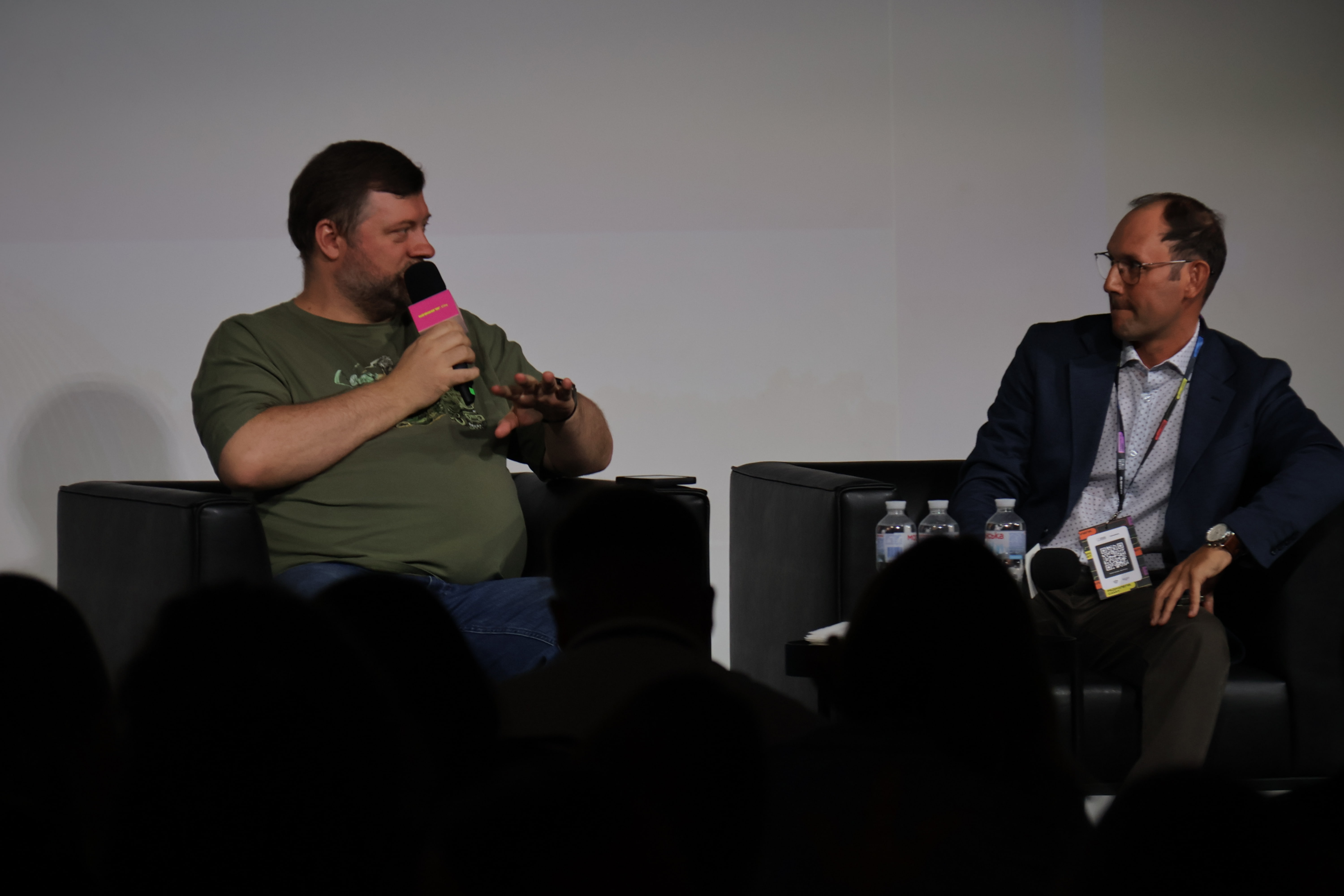
"We are gradually opening up, despite the security risks. As far as I know, the VRU Secretariat is seeking a new format for re-accrediting parliamentary journalists in order to keep agents of the enemy out of the VRU. I strongly believe that communication is crucial, and we must develop our tools for communication," said Oleksandr Korniyenko, First Deputy Chairman of the VRU, at the discussion panel. He added that the security services are adamant about maintaining security measures in the Government Quarter, so access to the Verkhovna Rada building remains closed.
 Russia's unprovoked, brutal, full-scale invasion of Ukraine posed a challenge for parliamentary communications, which the USAID RADA: Next Generation Program experts helped to address. In March 2022, they joined the VRU communications taskforce team and focused on parliamentary information on social media platforms. At that time, social networks were the most convenient and effective communication channels (a survey found that three-quarters of Ukrainians got their news via social media). As a result, in the summer of 2022, the Verkhovna Rada's Telegram channel ranked 4th among all Ukrainian channels regarding citations. Furthermore, the total number of VRU social media followers increased by 146% in 2022.
However, social media success can only complement, not replace, VRU's interaction with journalists, who are representatives of the "fourth branch of government." Olha Makukha, editor of the Chernihiv-based "Vest'" newspaper (northern Ukraine), is convinced that MPs should actively communicate with traditional media: "Not all residents of Chernihiv and the region have access to social media. Almost every third local voter gets information from newspapers. And lack of communication with their journalists has led us to the situation when people in some constituencies no longer remember the names of MPs who represent the city or region."
"In times of limited information access, these types of events provide an opportunity to raise concerns about regional development. For example, during the event, Oleksandr Korniyenko talked about reforms. He explained that the issues of decentralization and the Institute of Starostas are currently on hold while the Parliament deals with war-related matters. It is critical for us to understand the political agenda and communicate it to our people," says Inna Mikhno, a journalist from the "KyivVlada" newspaper.
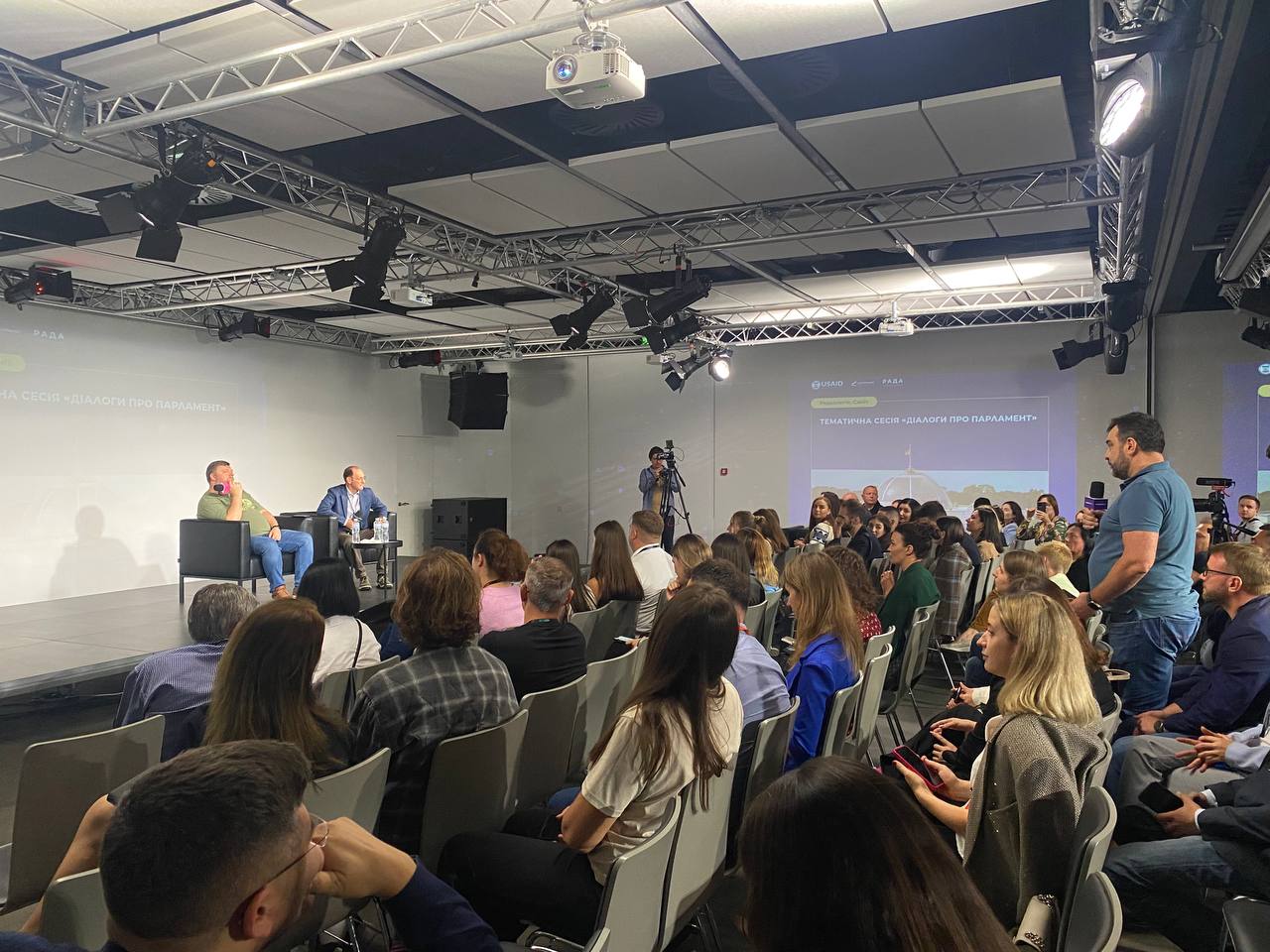 Journalists questioned Oleksandr Korniyenko at the "Redkolegia. Summit" about the peculiarities of VRU activity under martial law, the priorities of the Parliament in its legislative work, the impact of the Media Law on traditional Ukrainian outlets, and so on. Moreover, Alyona Bereza was among the lucky few journalists who managed personally to talk to the First Deputy Chairman of the VRU on the Forum's sidelines.
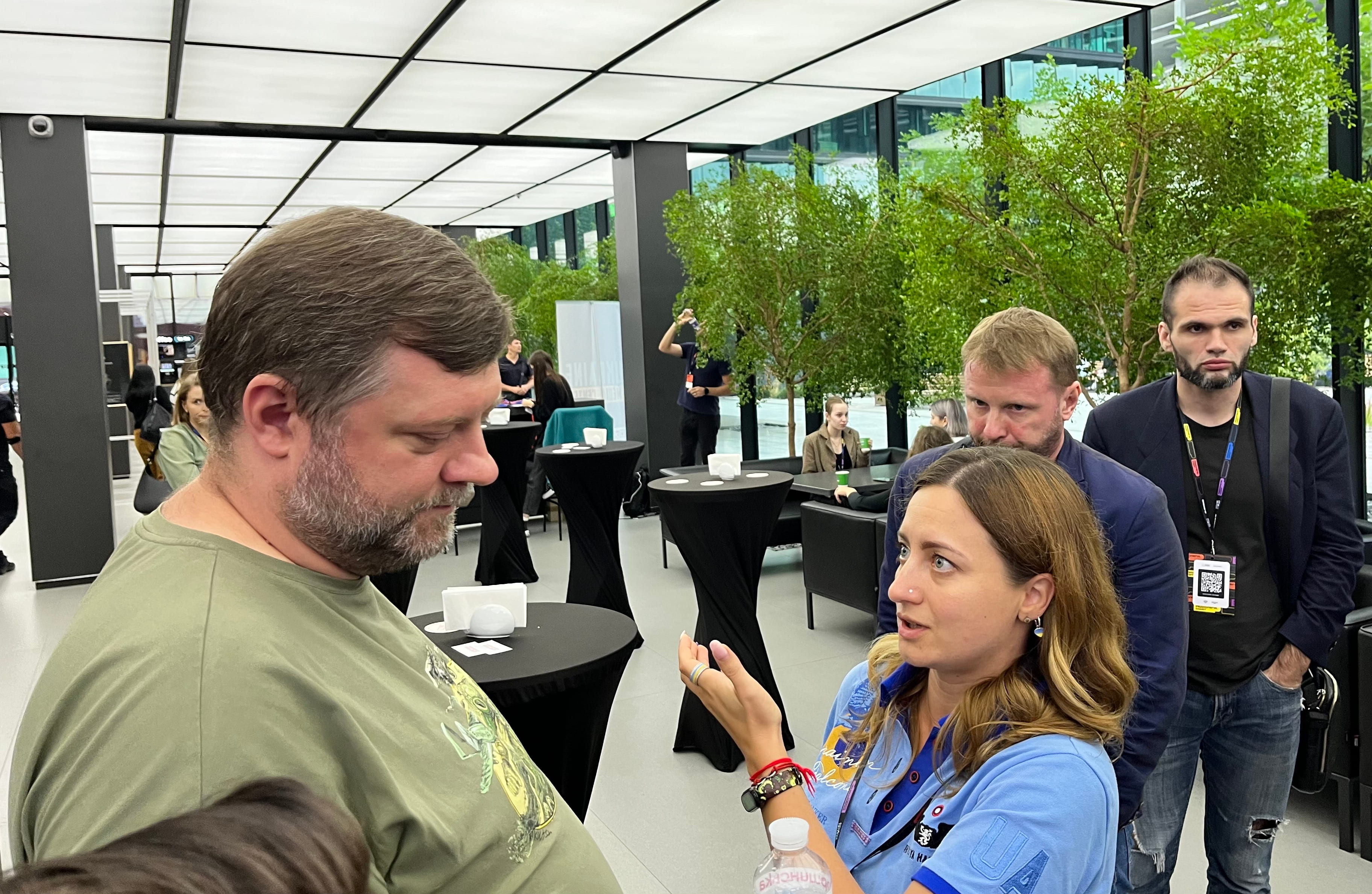
"Yes, I took advantage of the opportunity to have a brief conversation with Oleksandr Korniyenko for my interview, and such occurrences are extremely important. We are interested in legislative initiatives concerning local self-government as a regional media outlet. It would be nice to conduct interviews with the relevant committee periodically. I think this strengthens the trust in the Verkhovna Rada. I understand that we cannot meet every week, but organizing a forum like this once every six months, where you can ask urgent questions or arrange an interview, is an option," Ms. Bereza concludes.
The USAID RADA: Next Generation Program consistently assists Ukraine's Parliament in developing new effective formats for communicating with voters and stakeholders, particularly in wartime. Citizens' trust grows when they know they are heard and have sufficient understanding about the work of Parliament. Furthermore, a united society with solid and trustworthy democratic institutions is an invincible target for any autocracy. Thus, Russia will never be able to defeat Ukraine.