Program products
Democratic stability of parliament in war conditions: trust and role of civil society
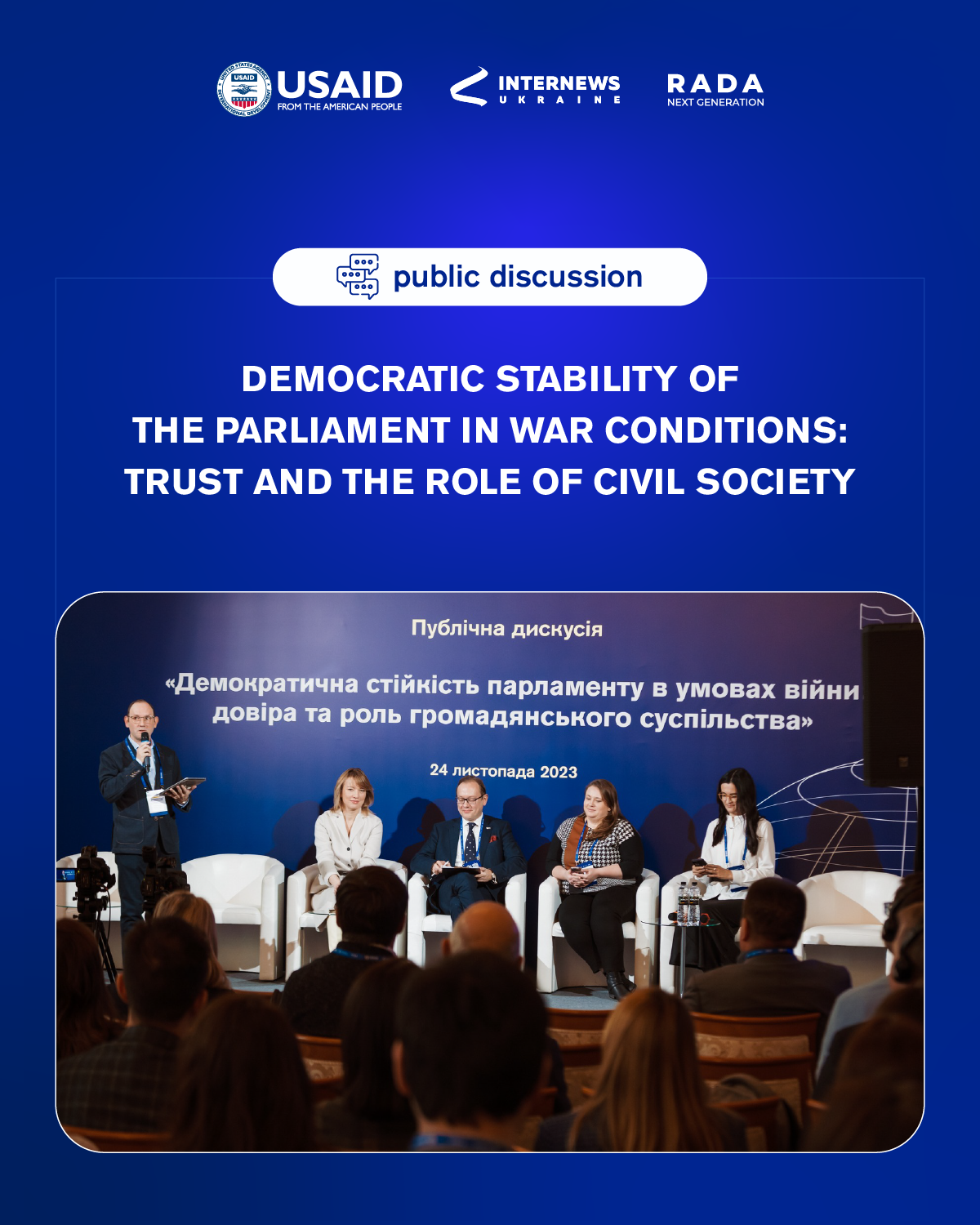
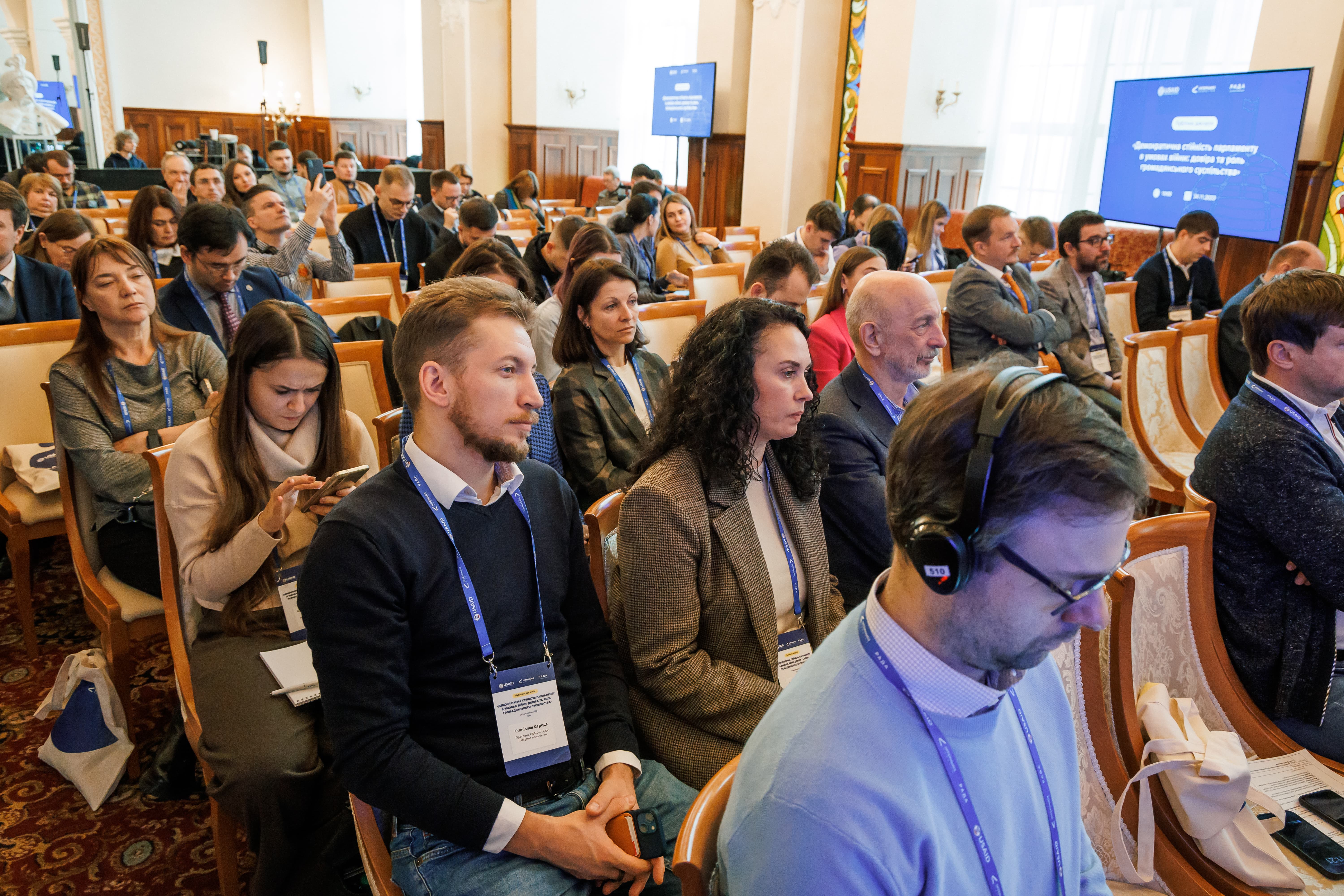
On November 24, USAID RADA: Next Generation held a public discussion involving more than 100 Parliament, donor, civil society participants to strengthen cooperation between the parties.
First Vice-Speaker of the Ukrainian Parliament Oleksandr Korniyenko, Director of the Office of Democracy and Governance of the USAID Mission in Ukraine Marc Elingstad and Chair of the Party of the RADA: Next Generation Program Igor Kogut addressed participants with welcoming remarks.
"Civil society is an important political player that defends the interests of Ukrainians at all levels, including in the Parliament. I cannot think of a reason why civil society representatives should not be involved in working groups when drafting the law. If the expert society is not involved and its representatives properly advocate, there may not be 226 votes, and the law will go to additional reading. This has already happened more than once," noted Oleksandr Kornienko.
According to the vice-speaker, in the first quarter of 2024, the parliament can consider the law on public consultations, which is recommended to be adopted by the European Commission. However, its entry into force under martial law must first be discussed.
"Even in a state of war, we are joining the EU, which is a unique case. With this, organizational and legal challenges arise: how can we, being in a state of war, ensure greater inclusiveness, the participation of civil society, representatives of local self-government associations, and specialized communities in decision-making at various levels? And the Verkhovna Rada is working on it," assured the First Vice-Speaker of the Parliament.
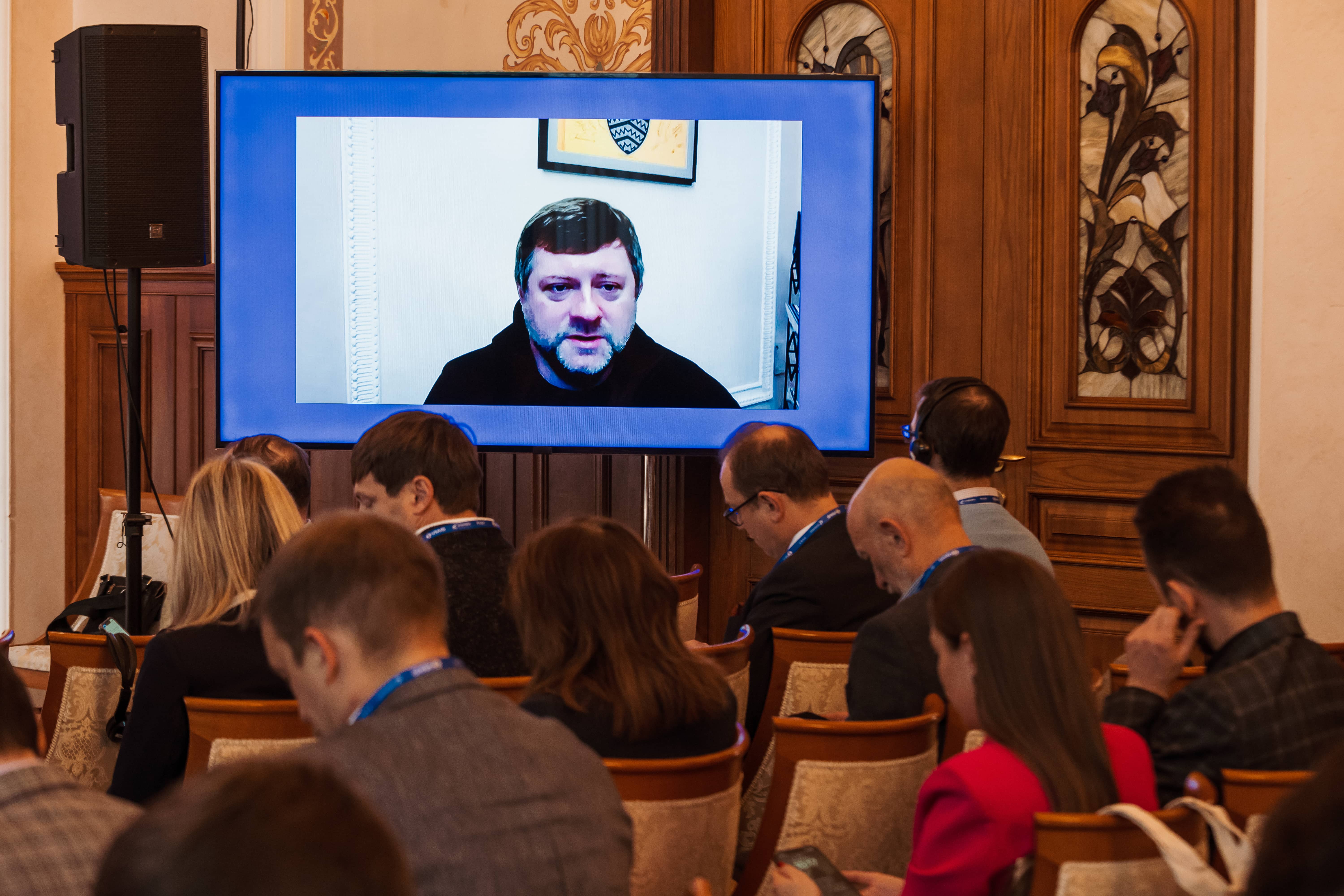 Marc Elingstad, Director of the Office of Democracy and Governance of the USAID Mission in Ukraine, welcomed the discussion participants. He noted that the lives of many Ukrainians won the independence and democracy of Ukraine. This is the highest sacrifice, so ensuring that every citizen can be heard and participate in forming state policy is vital.
"With the recent report of the European Commission, we have a good road map that emphasizes the importance of parliamentary work and the importance of communication between parliament and citizens. We see the power shown by Ukrainian civil society. These are places that can influence decision-making at the highest level. And it is important that the public participates in parliamentary discussions," said Elingstad.
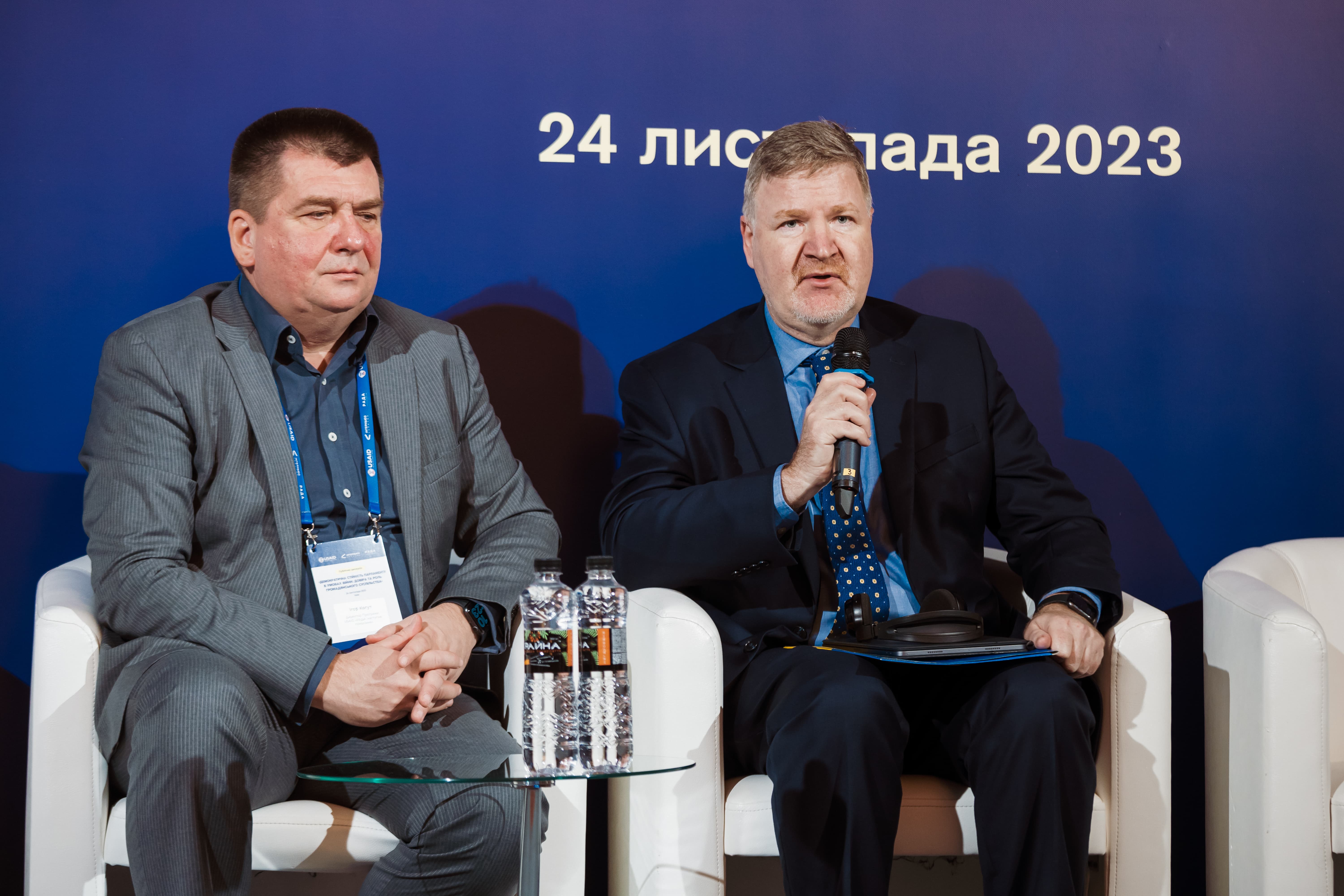
First panel
"Democratic interaction of the parliament with citizens during the war: challenges and opportunities."
The discussion was moderated by Andriy Kulakov, communication director of the USAID RADA: Next Generation Program and the speakers were the director of the National Democratic Institute, Marcin Walecki, the executive director of the Reanimation Package of Reforms Coalition, Olga Lymar, MP of Ukraine and heads of parliamentary committees, Olena Shulyak and Andriy Gerus, creative director of the NGO " Internews-Ukraine" Diana Ishchenko.
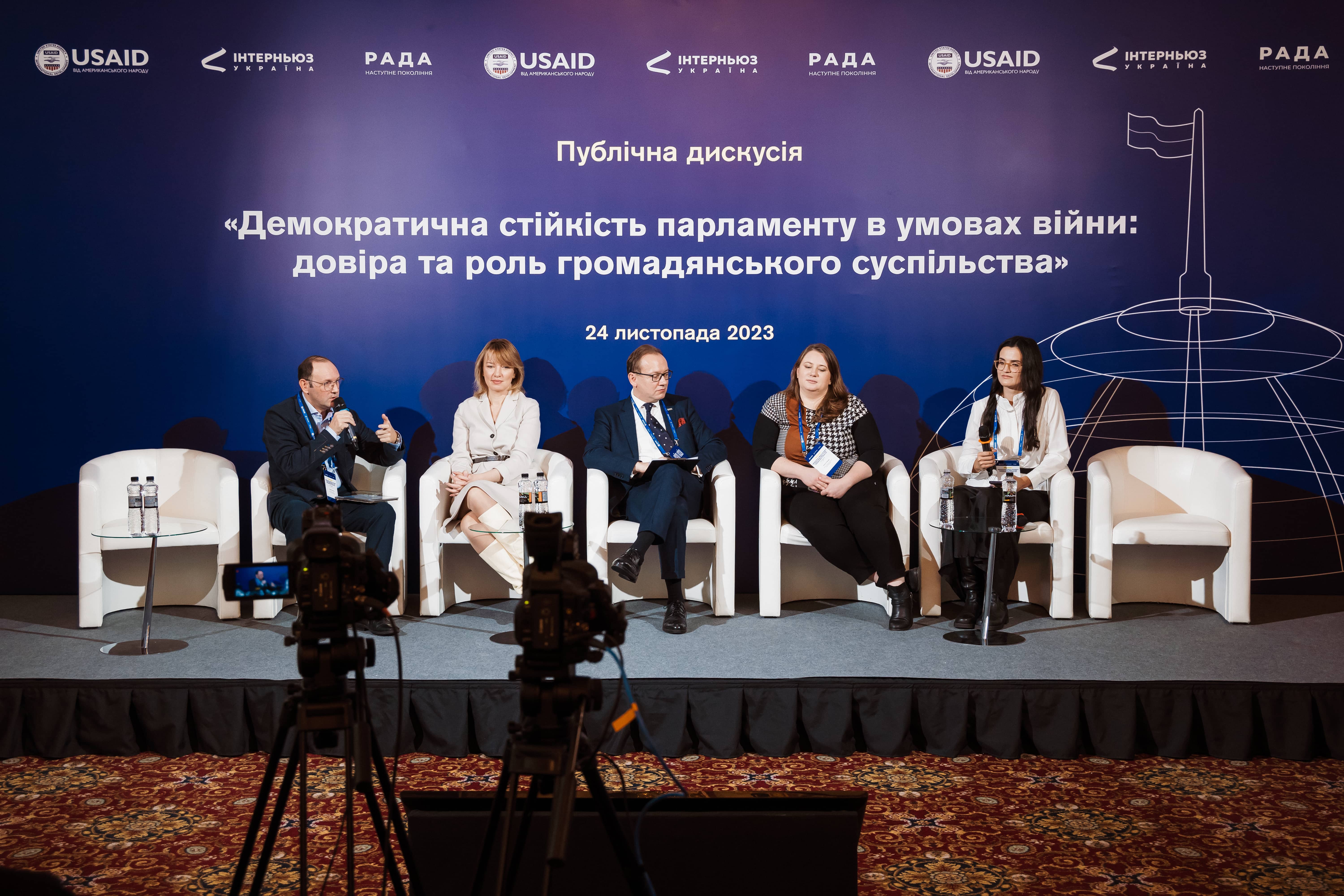 Marcin Valecky believes that European integration, reconstruction and democratic development of Ukraine are possible only with an active dialogue between the authorities and civil society: "Ukraine is the most alive and active country in the context of civil society and has extraordinary resources. And public consultations are not a luxury, they are an international standard."
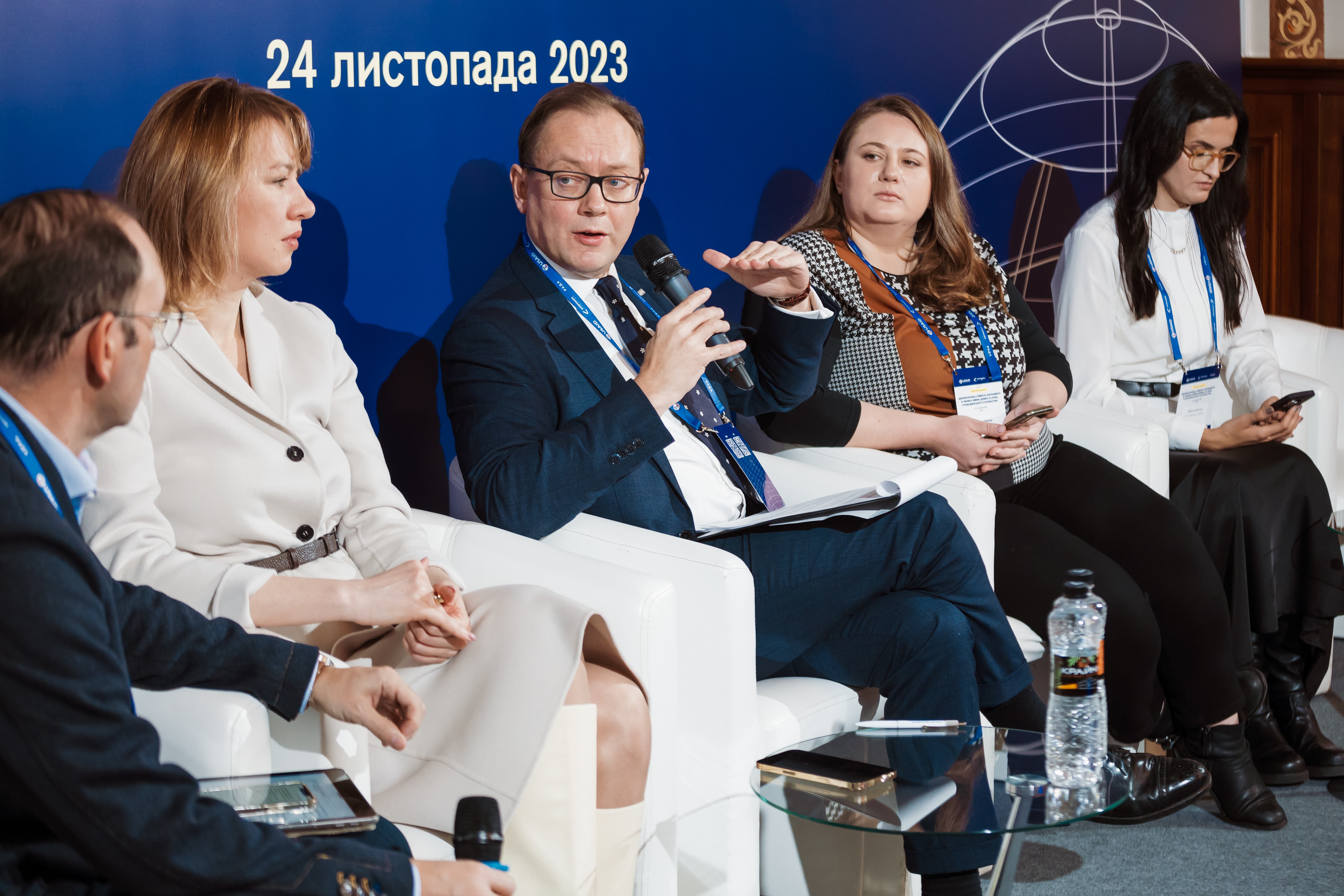 Mrs. Lymar also agreed, speaking about the decisive role of civil society in reforms and European integration. In her opinion, Ukraine would hardly have received candidate status without the active participation of the public.
At the same time, Olena Shuliyak and Andriy Gerus talked about their experience in conducting public consultations and field meetings of the committee during martial law. According to them, such interaction improves legislative work and assistance to citizens.
Diana Ishchenko talked about updating the communication strategy of the Verkhovna Rada of Ukraine, which is aimed at increasing voters' trust in the parliament.
Second panel
"Interaction with civil society in the conditions of martial law. Experience of committees."
The discussion was moderated by an MP member of the Committee of the VRU on Energy and Housing Committee Victoria Hryb. According to her, the goal of the Verkhovna Rada is to ensure public dialogue and democratic values in our country, and civil society helps, reminds and pushes politicians so that Ukraine develops as a democratic state.
The speakers of the discussion panel were also:
- Vitaly Bezgin and Oleg Dunda, MPs, members of the State Power, Local Self-Government, Redevelopment and Urban Planning Committee
- Danylo Bondar, Deputy chair of the Secretariat of the VRU Committee on Social Policy and Protection of Veterans' Rights
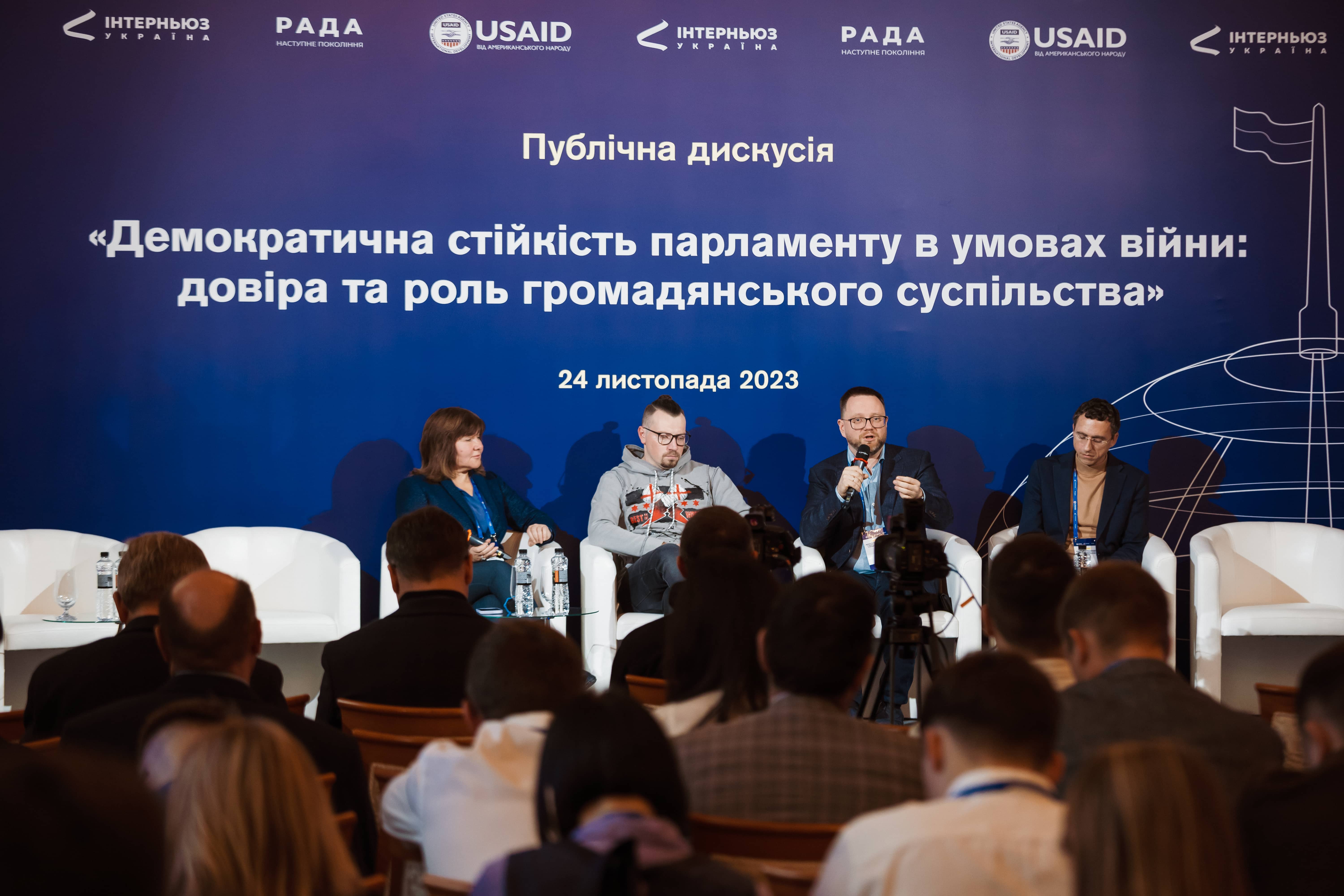 They discussed the positive experience of involving citizens within the framework of public consultations and post-legislative control, which the committees carried out with the RADA: Next Generation Program. The deputies also agreed that the parliament should be inclusive for all segments of the population and such involvement can be developed thanks to the latest digital technologies.
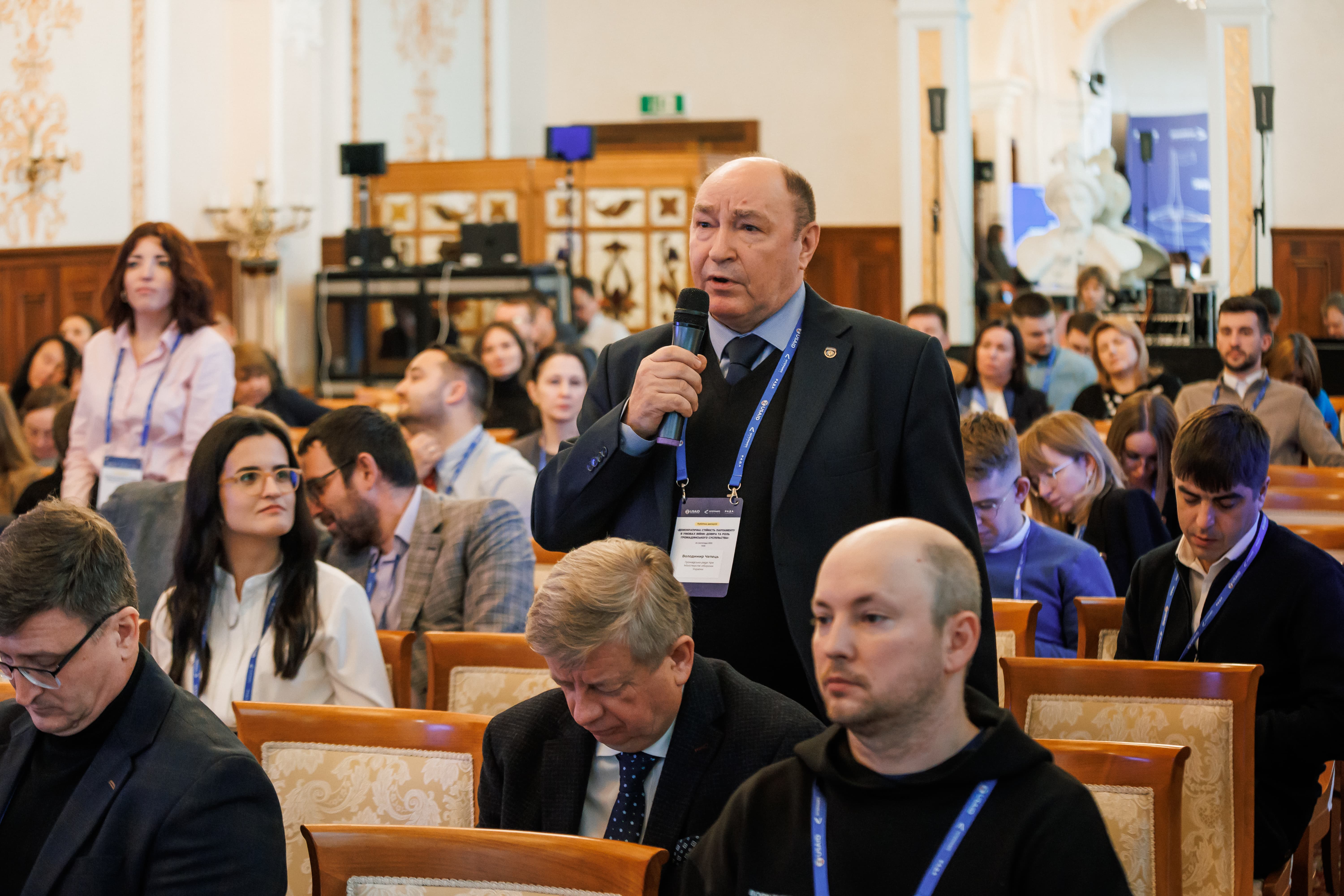
Third panel
"Initiatives of non-governmental organizations to support the democratic stability of the parliament"
Within the framework of the grant initiative "Citizens and Parliament" from the USAID RADA: Next Generation, six Ukrainian public organizations implemented their projects in order to:
- to develop the interaction of MPs with voters;
- involve citizens in the decision-making process and the work of the parliament;
- explain reforms and laws, and organize public consultations at the regional level.
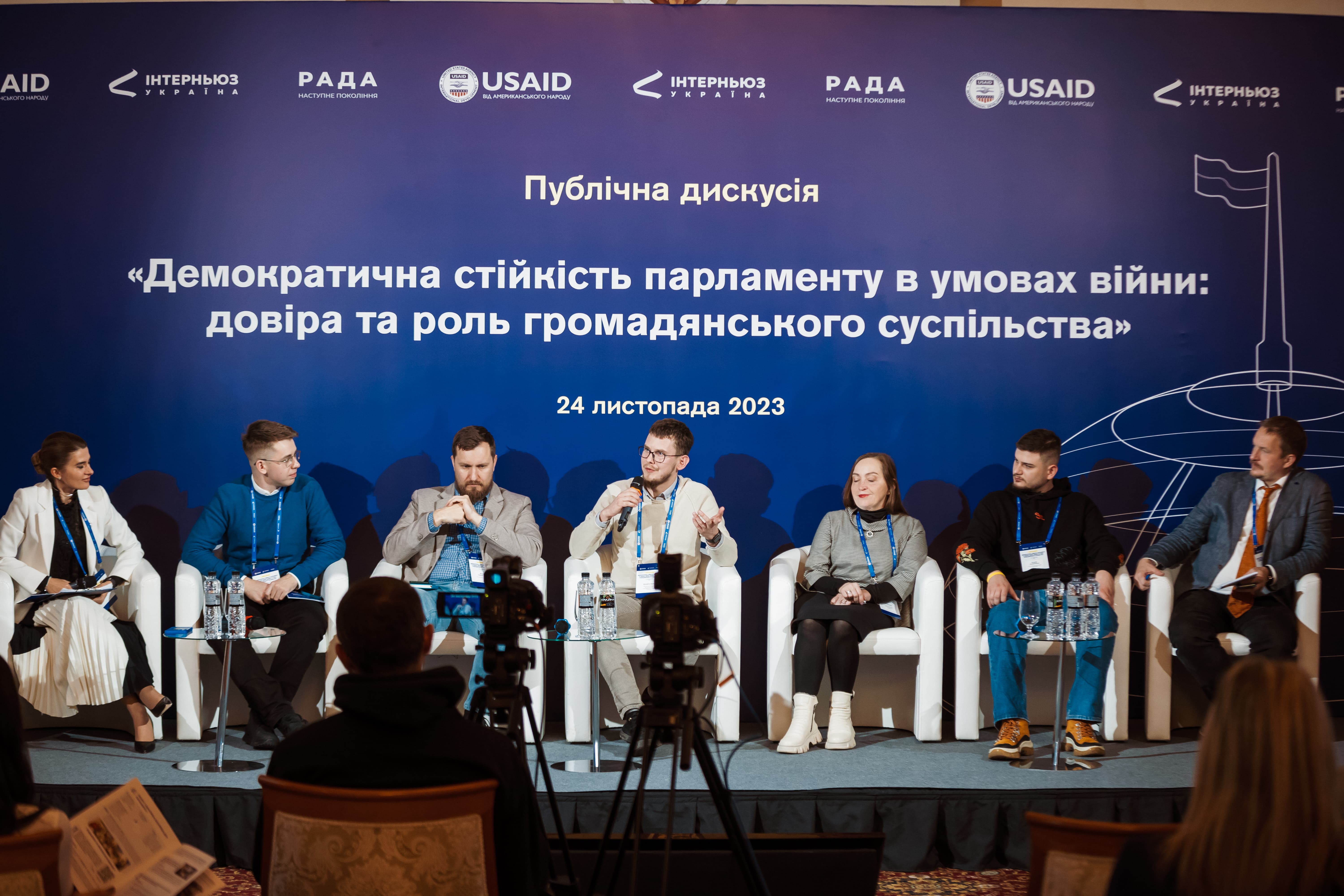 Representatives of the organizations presented the results of these projects during the third panel. MP Larysa Bilozir moderated the discussion. She said that with these projects, "huge work has been done to create a platform for dialogue, mutual understanding, and trust between citizens and the parliament. After all, the parliament is the representative institution that should be the most understandable for people."
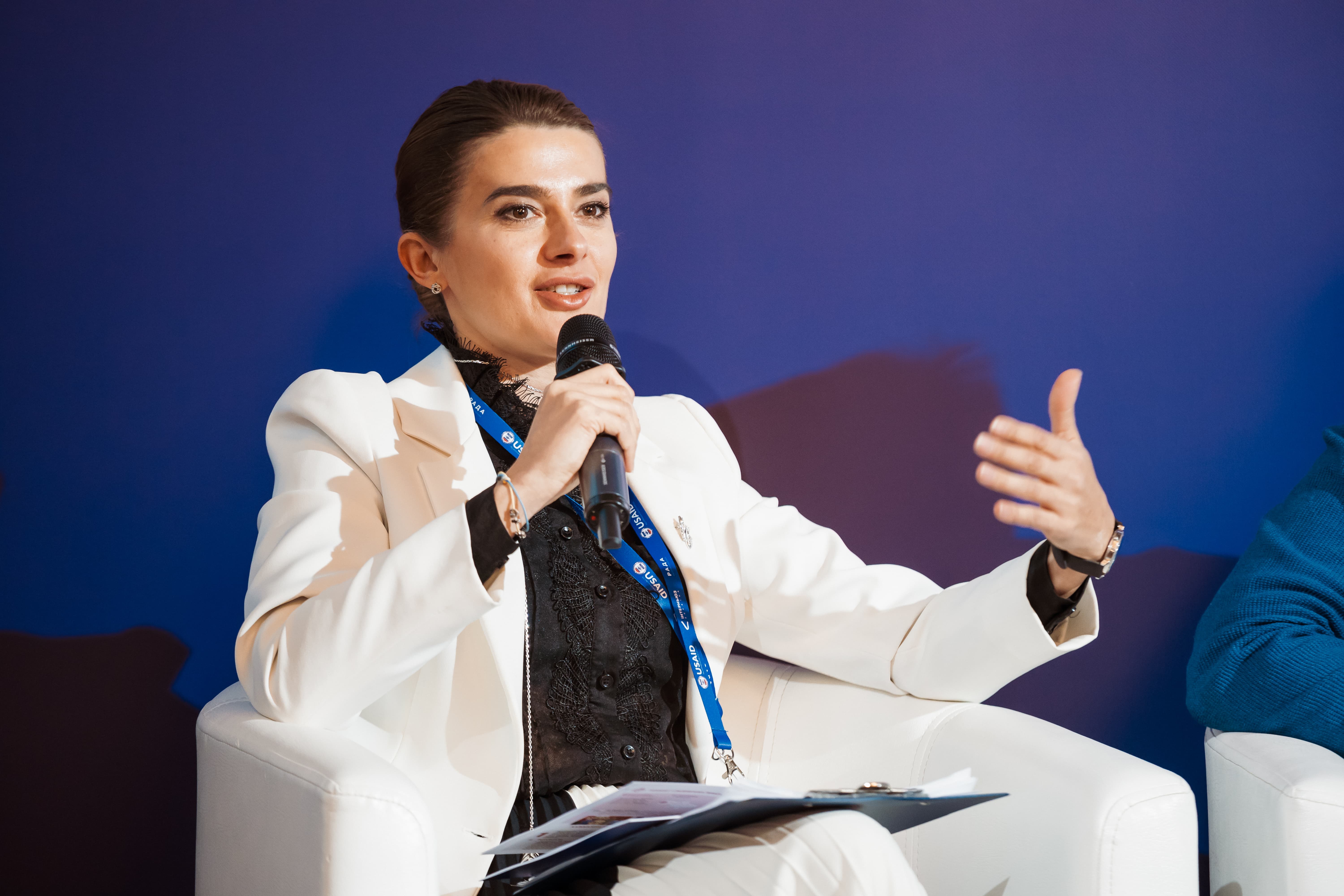
MP Halyna Vasylchenko, who cooperated with the public organization within the project, joined the discussion: "Even before the start of the project, communities said that during the war they lacked communication, in particular, with MPs. Therefore, visiting the communities and hearing their specific proposals and problems is very useful. And during the meetings, I was told this is very valuable for people."
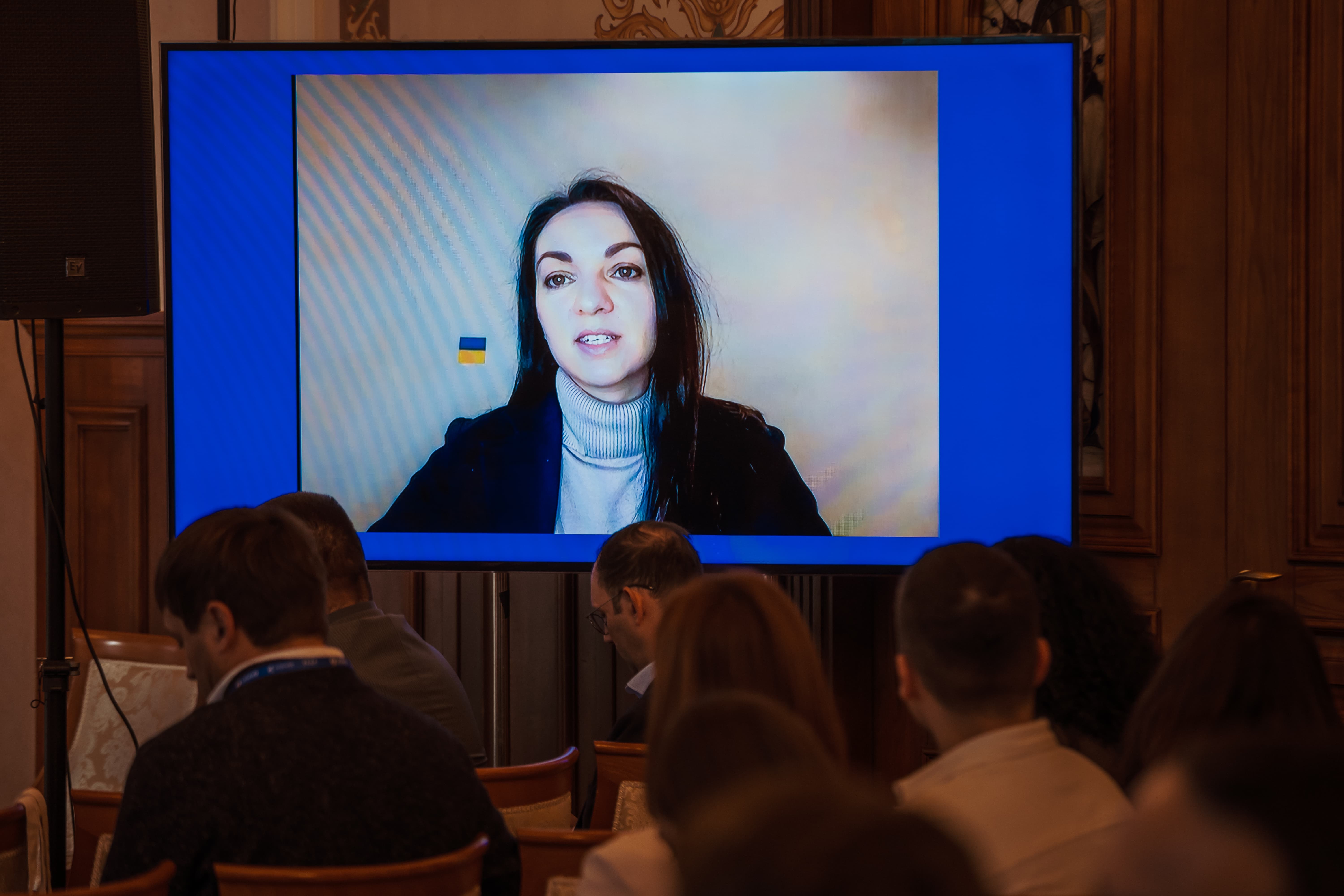
Results
Chair of the party of the USAID RADA: Next Generation Program Igor Kogut summed up the results of the public discussion: "We discussed very important things from the point of view of the whole of Ukraine, our movement towards the EU, our development, victory, recovery. Such measures are important, because things are heard without which there will be neither legitimacy, nor trust, nor correct decisions, nor European integration. And this is the participation of citizens, their interaction with the Parliament."
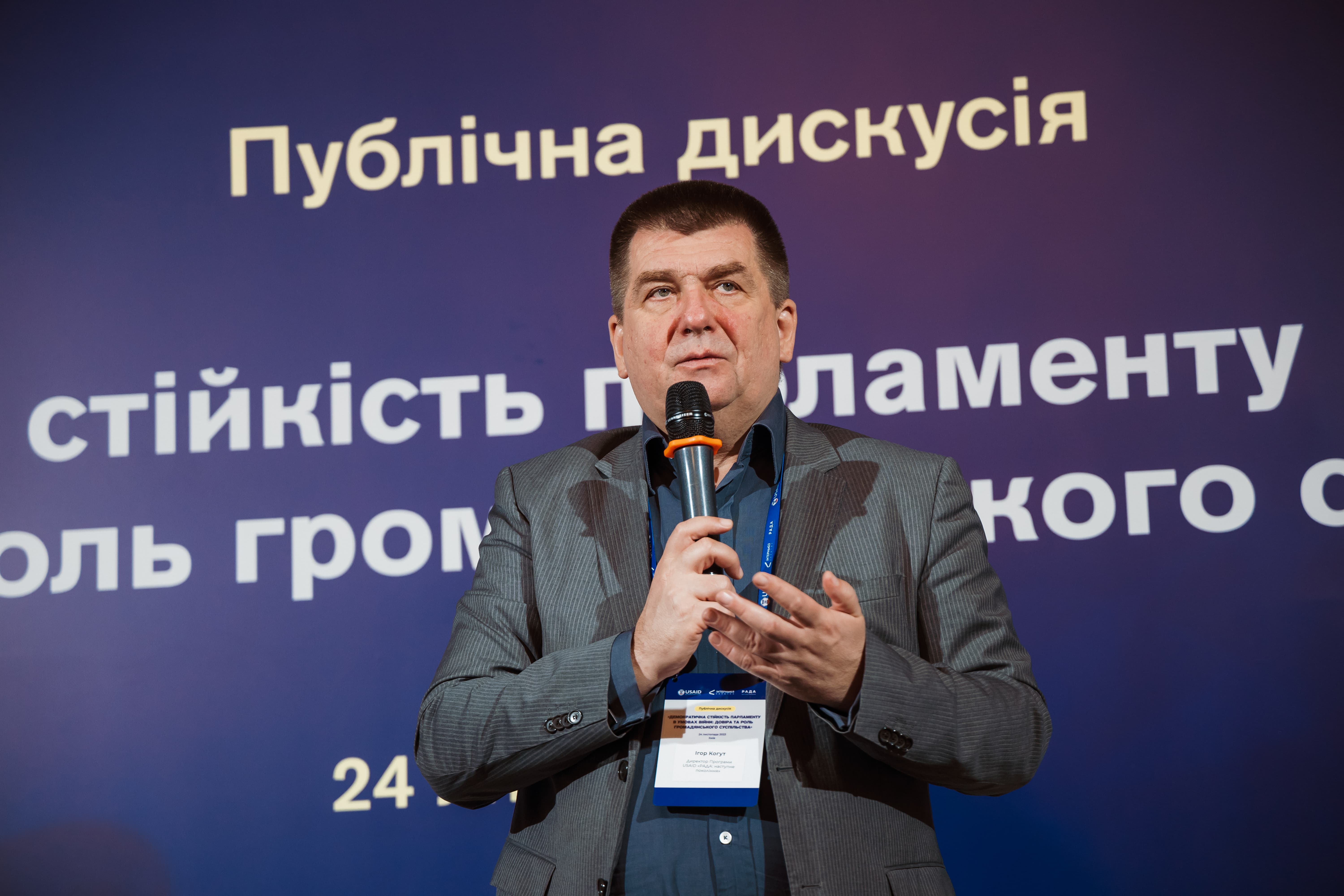 He emphasized that it is necessary to:
- continue the parliamentary reform by reviewing the entire legislative cycle – from the development of public policy documents (green and white papers) to the evaluation of the effectiveness of laws (post-legislative control);
- strengthen parliamentary communications so that the Verkhovna Rada is an inclusive, accountable and open institution;
- develop the interaction of the parliament with the government, the committees with stakeholders;
- not only to propose a framework for public consultations but also to monitor their implementation;
- develop targeted communications of people's deputies with professional communities of voters in different regions of Ukraine.
The entire discussion is available via the link.
You can also find all photos on our Fb-page.