
Success stories
How Ukraine’s Parliament strengthens oversight function in wartime
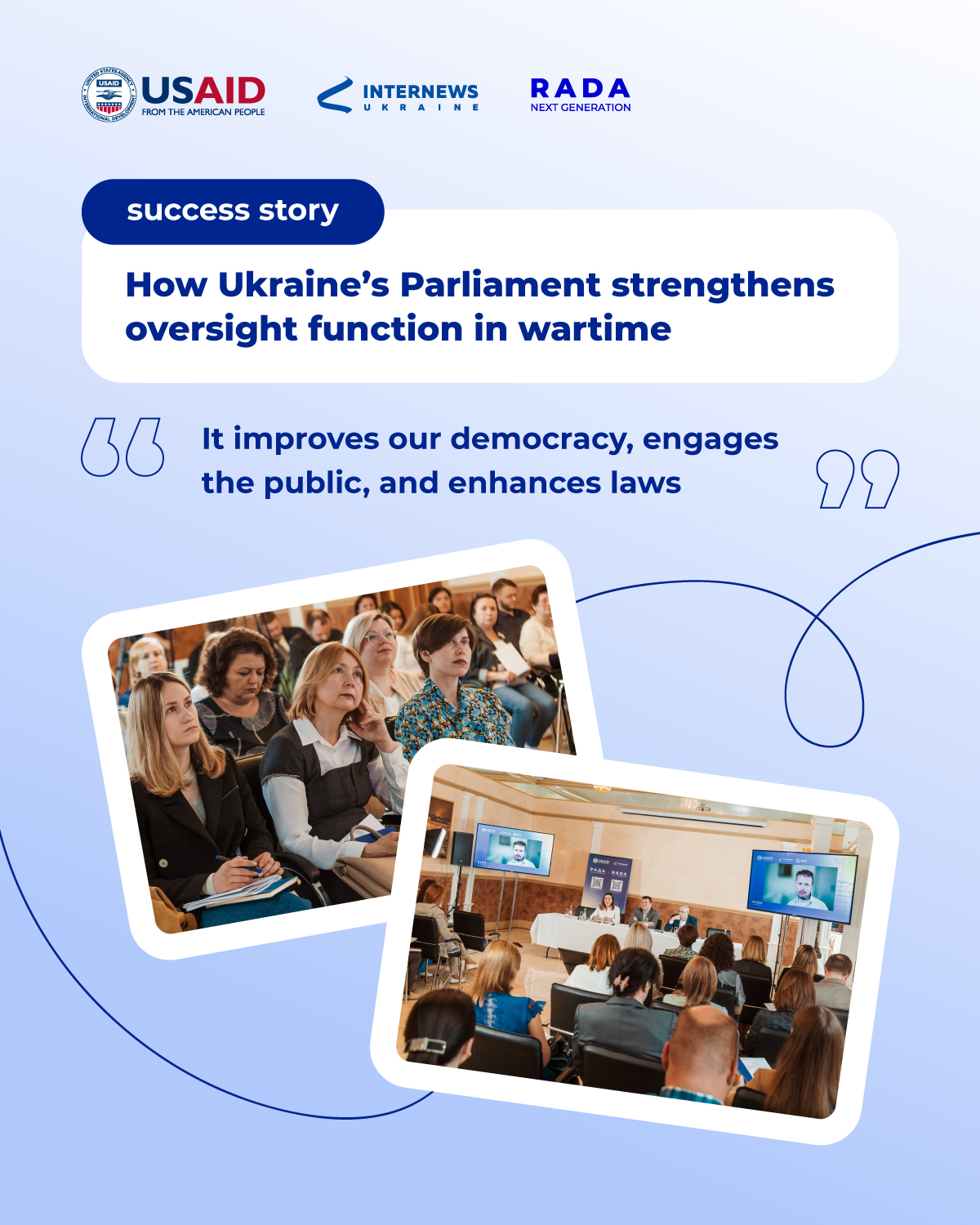
"Martial law presents a challenge, but it also provides an opportunity for change. If not now, then when? Why do we want to join the European Union? Because there is greater citizen participation in the processes of state governance and the majority's interests are taken into account carefully. We need to strive for this right now in order to build a sustainable democracy in post-war Ukraine," says Tetiana Feshchuk, сhief сonsultant of the Committee on Social Policy and Protection of Veterans' Rights of the Verkhovna Rada of Ukraine (VRU, Ukraine's Parliament). Feshchuk maintains that building democratic institutions and improving the legislative process are important tasks while Russia continues its brutal and unprovoked war in Ukraine.
Since November last year, Feshchuk has been helping the Committee to conduct a pilot post-legislative scrutiny inquiry facilitated by the USAID RADA: Next Generation Program (RANG) and its partner, the Westminster Foundation for Democracy (WFD).
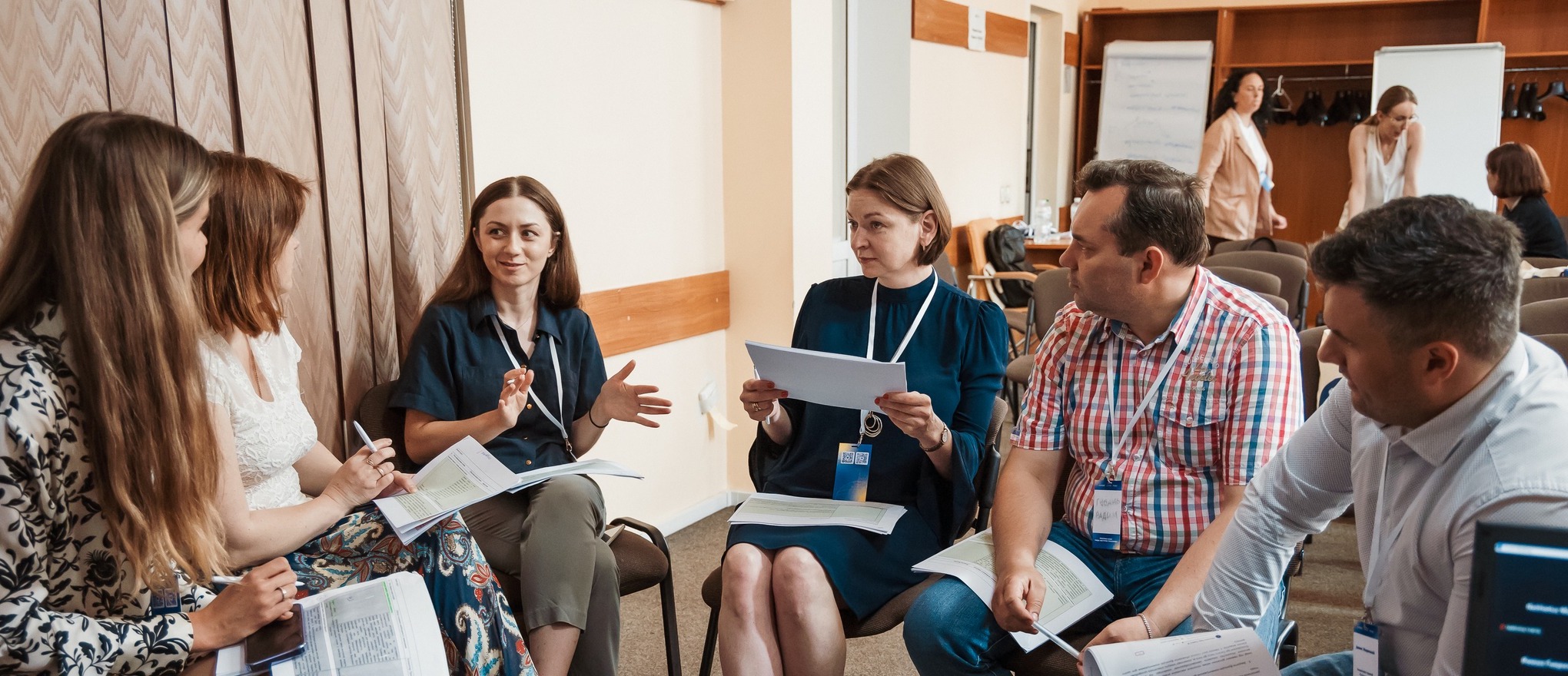 What is post-legislative scrutiny (PLS)? It is an innovative parliamentary tool designed for assessing the effects of laws and thoroughly examining their implementation and societal impact. PLS inquiries help determine whether a legislative act is being implemented (and if not, why not), has it achieved its expected goals, have there been unintended consequences, and is the act cost-effective and still relevant.
"When you pass a law, you have to test it to see if it works. There are many cases when laws are not applied, although the state spends enormous resources on this. Why do we do this? We must eradicate these outdated approaches because this is also the Soviet Union's legacy. PLS is a new approach that can help," says Feshchuk.
In 2022-23, RANG assisted three Verkhovna Rada committees (on Social Policy, on Energy, and on State Power Organization) in conducting PLS inquiries. USAID RADA: Next Generation Activity provided training for committee secretariat staff, invited leading WFD experts to adapt the PLS methodology for Ukraine's Parliament, engaged consultants to process the data, and gave organizational and communicational support to the PLS inquiries.
Each Committee analyzed a specific current law and interviewed its beneficiaries and stakeholders about the effectiveness of its application. For example, the Social Policy Committee chose the law on remote work and was able to survey more than 66,000 Ukrainians, 98% of whom were ordinary employees.
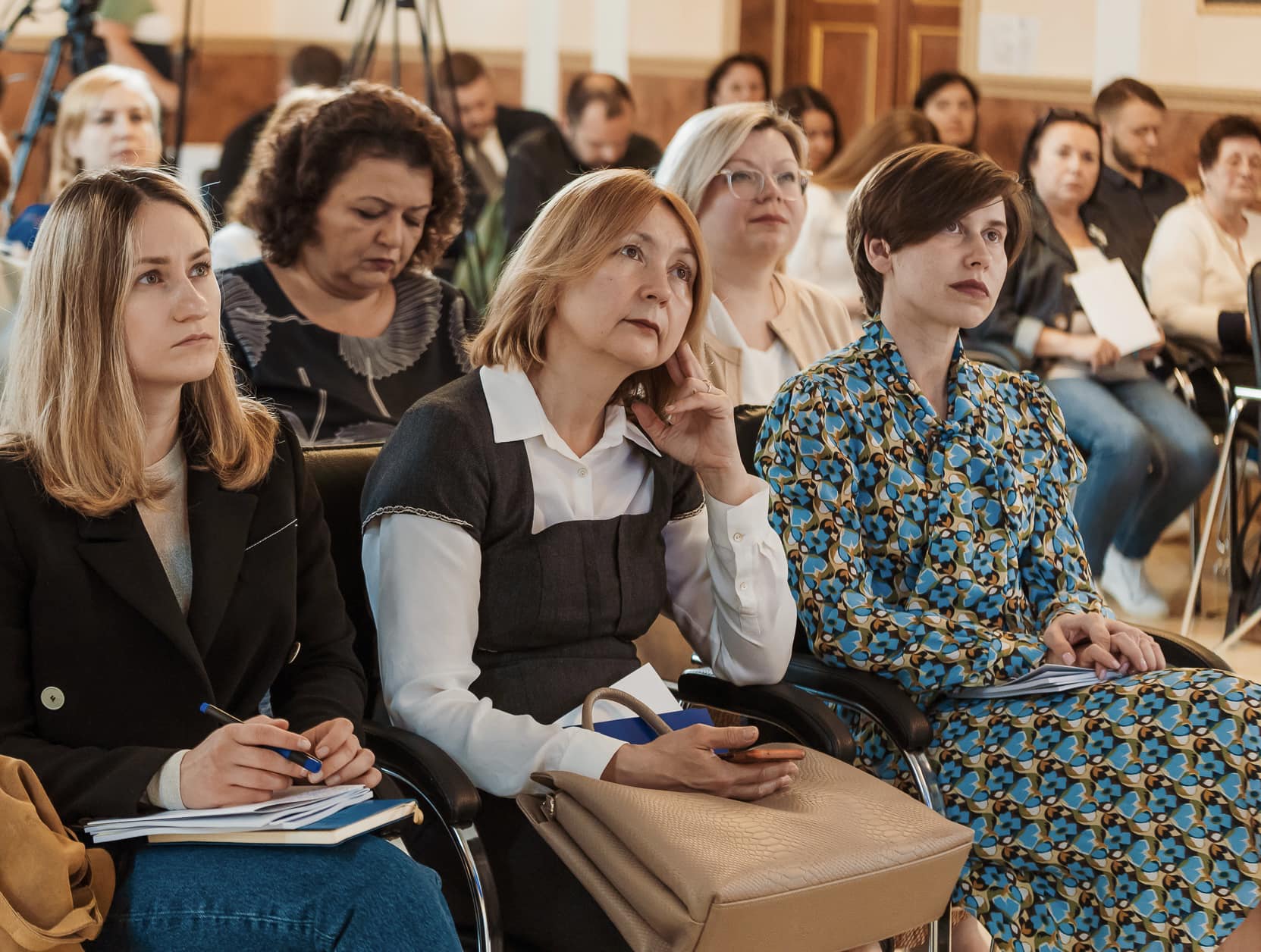
"You wouldn't believe it, but people thanked us for asking their opinion," says Tetiana Feshchuk, sharing her impressions of the PLS inquiry findings. "Aside from the appeals, we don't have a regular tool to communicate with citizens unless they are representatives of organizations, trade unions, or authorities. Our Committee performs an oversight function, but information on law enforcement is primarily provided by public authorities, local self-government bodies, scientific institutions, and public organizations. There was no practice of addressing citizens who directly, and in their interests, exercised their rights granted to them by a specific law."
Feshchuk believes the VRU oversight function should be strengthened with PLS practices because they help identify social problems and improve legislation. "According to the law, the employer must provide the employee with the means to work (such as providing a computer for remote work, paying for the Internet and electricity, etc). More than 2,000 people answered that this was a problem for them. We found out that many people overwork when working remotely. Many respondents told how it is necessary to regulate that remote work cannot be a reason for reducing salary. Frankly, I'm not sure we could have discovered all these problems by sending an inquiry to the Ministry of Economy," concludes Feshchuk.
The PLS inquiries also received positive feedback from Ukrainian MPs. Following the presentation in which PLS findings were reported, a member of the Energy Committee, Viktoria Hryb, commented on her official Facebook page that "It is a big mistake of the VRU to replicate laws that do not work after adoption. Monitoring the implementation of laws and the forecasted impact of draft laws is fundamental for effective lawmaking."
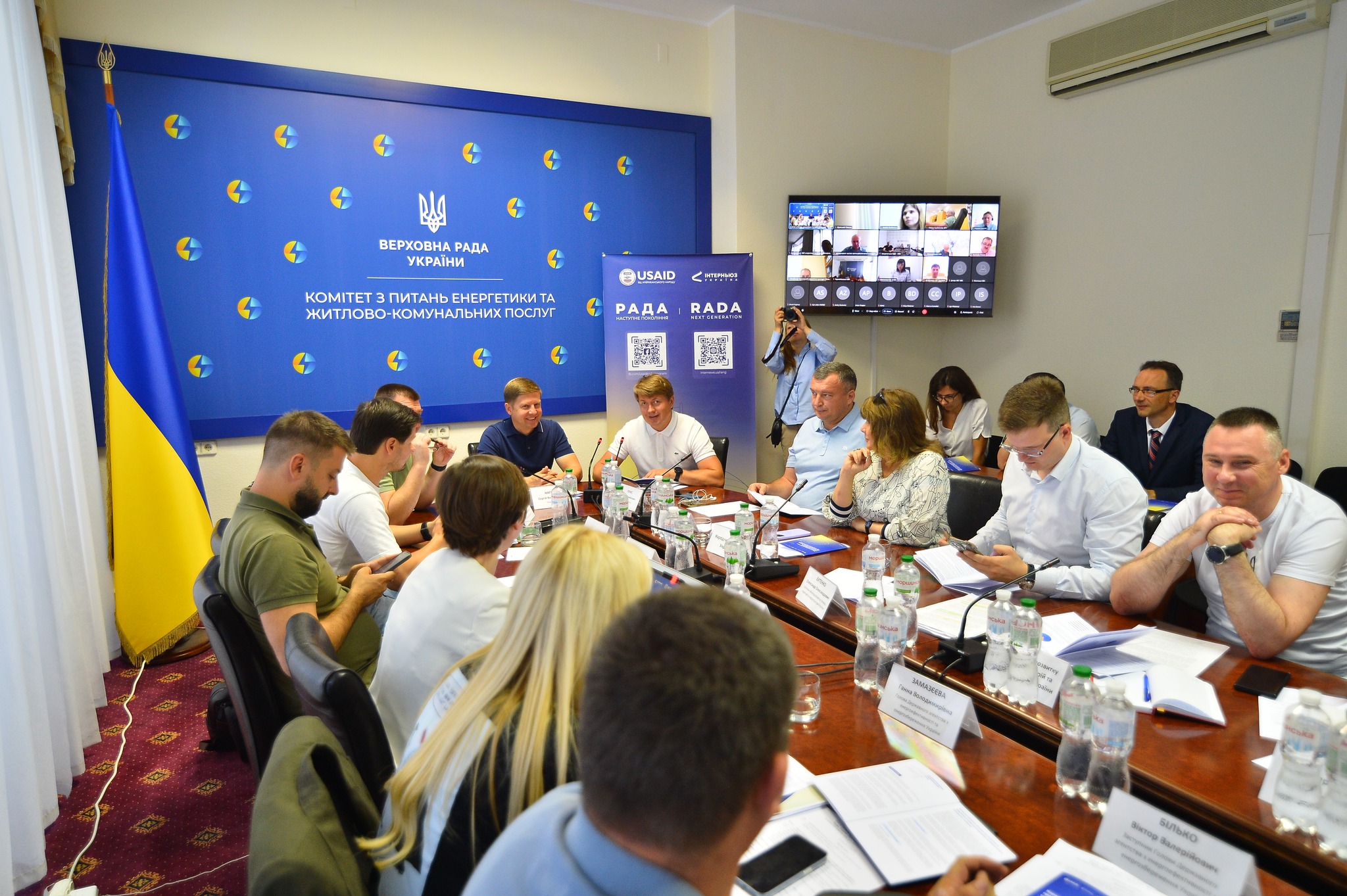 On the eve of International Day of Parliamentarism, on June 29, RANG organized a follow-up discussion on the implemented PLS inquiries. Mykhailo Tepliuk, Deputy Head of the VRU Secretariat, remarked that parliamentary leadership supported the PLS practices and hoped to see them disseminated and implemented in all committees. According to him, "the adoption of laws is only one of the stages from the creation to the end of the law's life. The validity, effectiveness, and real impact of law on social processes are essential, so the PLS is valuable here."
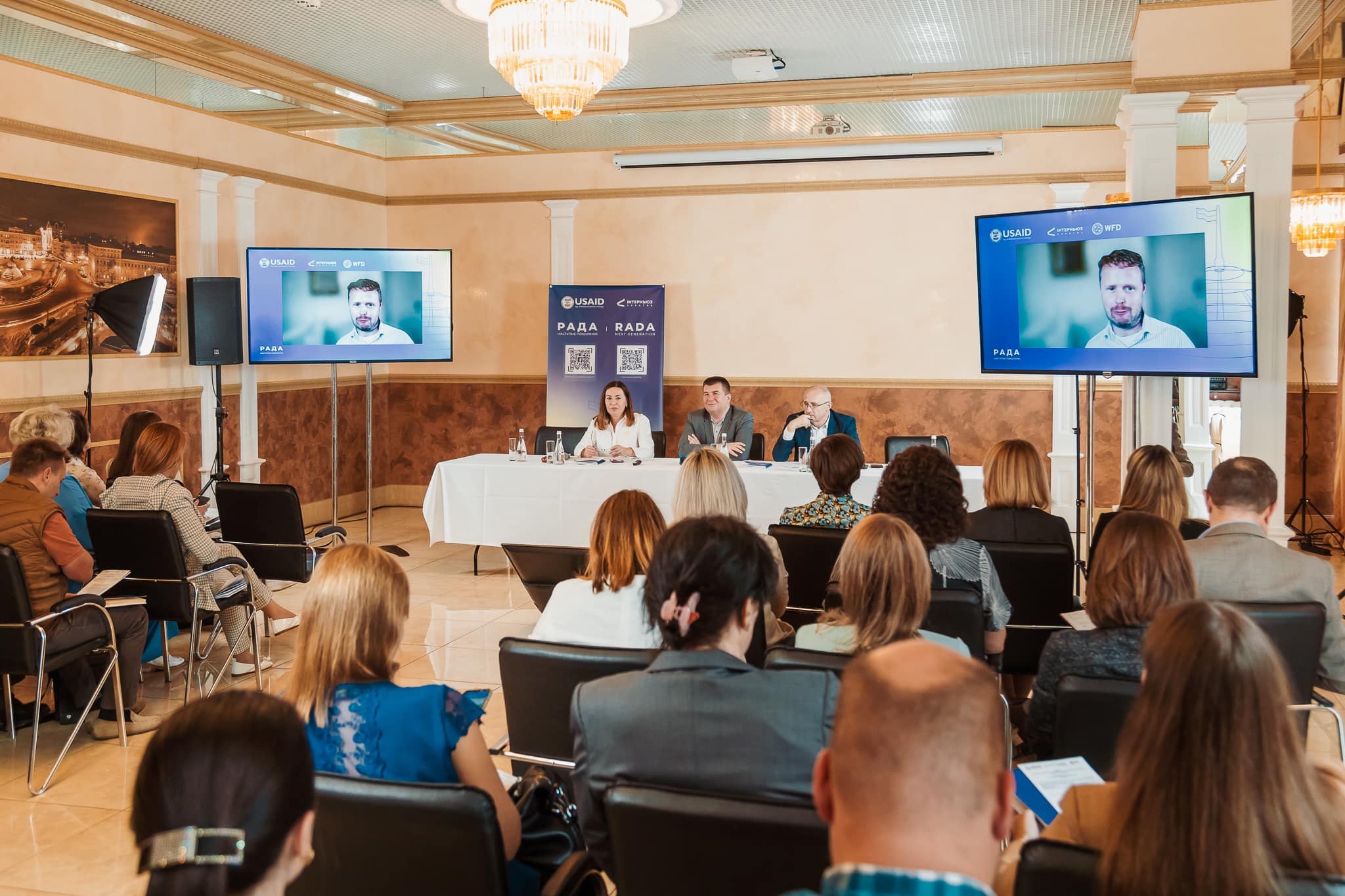 RANG assists the VRU in strengthening parliamentary oversight in response to the Roadmap of Reforms, which was proposed by the European Parliament in 2016. RANG's experts recognized that there were challenges with PLS, mainly how to make it workable within a context of limited resources and how to foster political will for it. Therefore, prior to the launch of PLS pilot inquiries were launched, USAID RADA: Next Generation Activity worked to build the capacity of parliamentary staff to apply for PLS.
"My life motto is to keep moving forward. If I can make a small change towards a better Ukraine, I am ready," says Feshchuk, when asked what motivates her to introduce new parliamentary procedures. "Moreover, the PLS positively characterizes our country in the context of EU integration: it improves our democracy, engages the public, and enhances laws."
Russia invaded because the Kremlin opposed Ukraine's democratic and prosperous future. Hence, it is crucial to maintain steady progress in Ukraine’s democratic, economic, and social development while Ukrainian soldiers bravely fight on the battlefield for our independence.