
Success stories
How parliamentary education brings up conscious generation of Ukrainians
"The war must not put parliamentary education on hold because we cannot lose our next generation. The war motivates us to work even harder to educate conscious citizens who will participate in political life, be responsible for their decisions, and make our country a better place," says Svitlana Merkulova.
She is a teacher at specialized school No. 2 in Irpin, a small city in the Kyiv region, which suffered from russian occupation almost a month following its brutal, unprovoked full-blown war. Ms. Merkulova is also a coordinator of a pilot project on parliamentary education. About two months ago, her school joined a project implemented by the NGO “Agency of Education Policy Development” (AEPD).
With the support of USAID, through its RADA: Next Generation Activity, the Agency analyzed curricula and developed recommendations for integrating civic and parliamentary education into school courses.
"We have discovered that neither Ukraine's history course nor even the civics course offers a clear focus on the Parliamentary system, the functions of the Verkhovna Rada, the interaction of citizens with MPs, and other critical elements of parliamentary literacy. Our experts have developed materials for teachers to fill these gaps. However, these ideas need to be tested. That's why we chose pilot schools ready to become centers of parliamentary education for their students, teachers, and communities," says AEPD Head Liudmyla Parashchenko.
Civic parliamentary education includes activities to develop citizens' awareness of the structure and function of the Ukrainian parliamentary system. AEPD is planning to add these elements to several school subjects, teaching the young generation. For example, how to interact with MPs, solve issues at the national and local levels. At the same time, they want to help instill a responsible attitude to civil rights and duties.
 While the materials are being reviewed by Ukraine's Ministry of Education and Science, the Agency is expanding its network of parliamentary education. Instead of the minimum planned 20, they already have 27 pilot schools and constituencies. This growth is continuing despite the war, which has made a lot of required adjustments. "Of course, what we planned at the beginning has changed. For example, our pilot regions – Luhansk and the Kharkiv Oblasts and Kharkiv itself – are not running offline education. Many children are abroad, evacuated elsewhere, or even under occupation. However, we keep in touch with them and are ready to begin work at the first opportunity," Ms. Parashchenko explains.
AEPD Deputy Head Iryna Ivaniuk says some education initiatives are currently being organized abroad to support young Ukrainians. "I am in Warsaw, and according to official data alone, there are 60 thousand Ukrainian refugee children registered here. We plan to cooperate with the local Center for Education and Development (an after-school institution for Ukrainian refugee children) and organize the “What I Know About my Parliament” challenge and a drawing workshop with the theme "My Parliament."
She believes that the difficulties of the war should not discourage the project. On the contrary, it is more necessary than ever to raise awareness about parliamentarism among Ukrainian children who have been temporarily forced to leave their homeland.
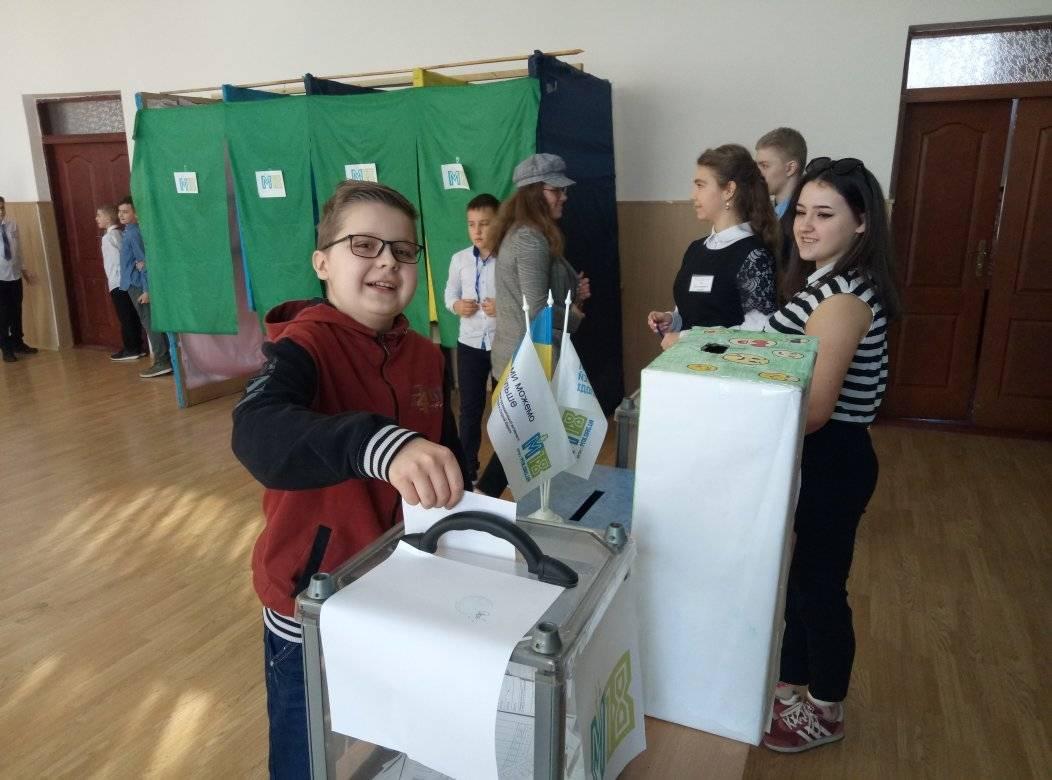
Ms. Merkulova, the teacher in Irpin, is convinced that the incorporation of parliamentary education into the school curriculum has a positive impact. Over the years, she has implemented various extracurricular initiatives, such as simulations of elections or local governing. In her view, these kinds of activities and knowledge incorporated into school courses will contribute to shaping civil society.
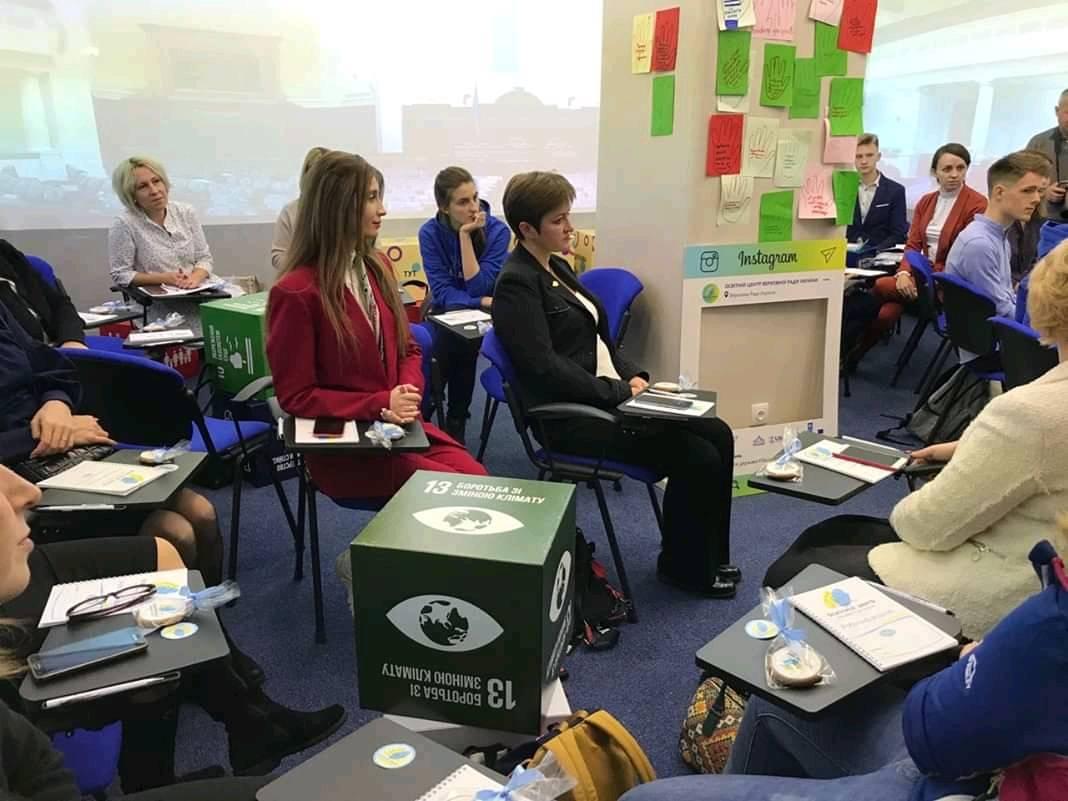
"Children learn that everyone's opinion is important and that everyone can influence the decision-making process. We only show procedures of how to make decisions, how not to be manipulated, and how to evaluate political programs and parties," Ms. Merkulova says.
USAID assisted Ms. Merkulova and her colleagues in developing methodological recommendations for civic parliamentary education and they will be implemented after the government’s approval.
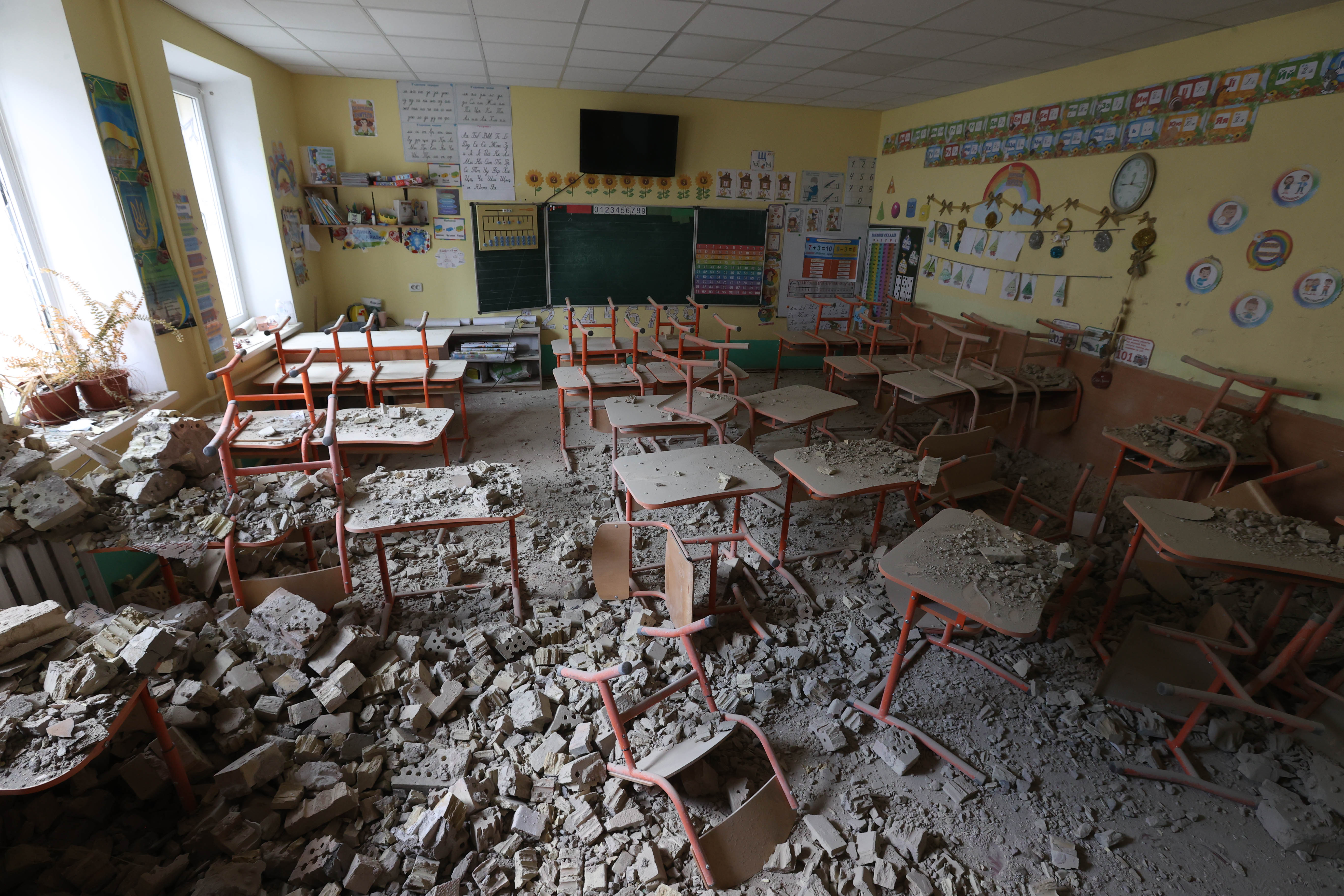
As Ms. Merkulova explains, children have become more curious, active, and involved in local governing after participating in parliamentary education activities. Even now, students and local activists are trying to help in rebuilding Irpin specialized school No. 2, which was destroyed by russian missiles. Children have participated in a video contest to raise money to restore the school’s building.
 These examples show the concrete and practical impact a strong educational background can make, so expanding the network of parliamentary education remains a priority even during russia’s brutal war against Ukraine. It will mean that the next generation of Ukrainians will not be lost and will lead us to a peaceful and prosperous Ukraine.