
Success stories
Building EU integration capacities of Ukrainian parliament
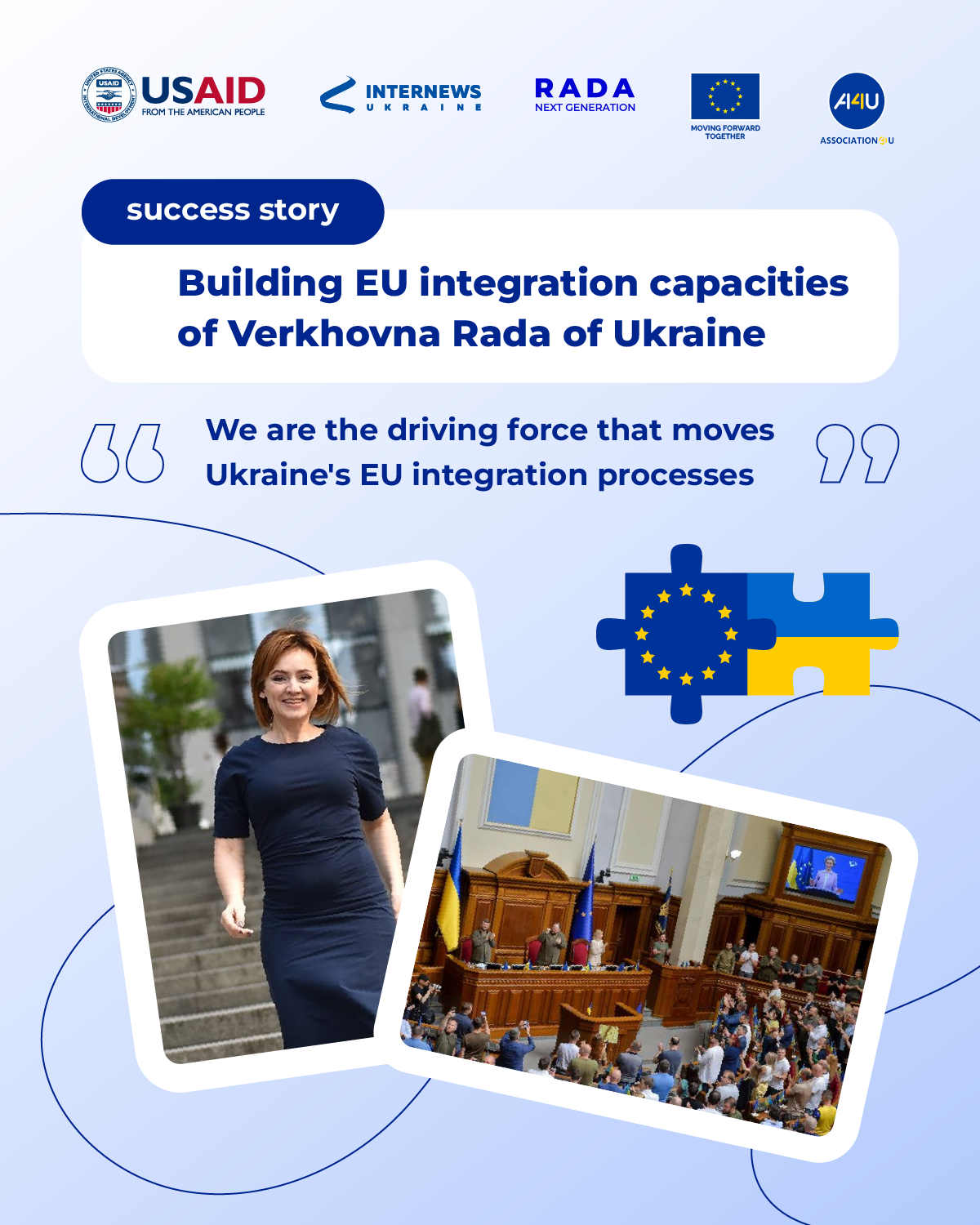
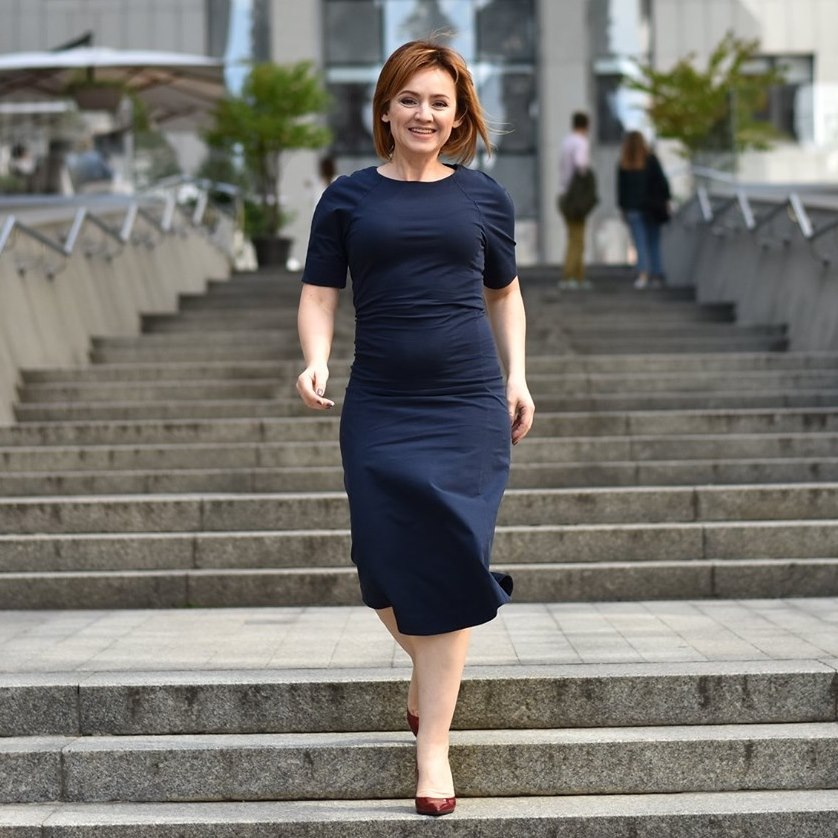
Maryna Slobodnichenko is a counselor to the Chairman of the European Integration Subcommittee of the Nation's Health Committee of the Verkhovna Rada. While she has broad proficiency and considerable specialized experience with European integration issues, she continues to deepen her knowledge. Last autumn, Ms. Slobodnichenko took part in the workshop Approximation of Ukrainian legislation to EU law: key principles and useful tools, organized by the USAID RADA: Next Generation Program and the EU-funded project Association4U.
When we asked her where she got the motivation to deepen her knowledge, she answered passionately and inspiredly: "We cannot sit back, because this is our future! How can you not keep your finger on the pulse if, God willing, we will be in the EU in two years? How can this be allowed? We must be prepared. We are the driving force that moves Ukraine's European integration processes."
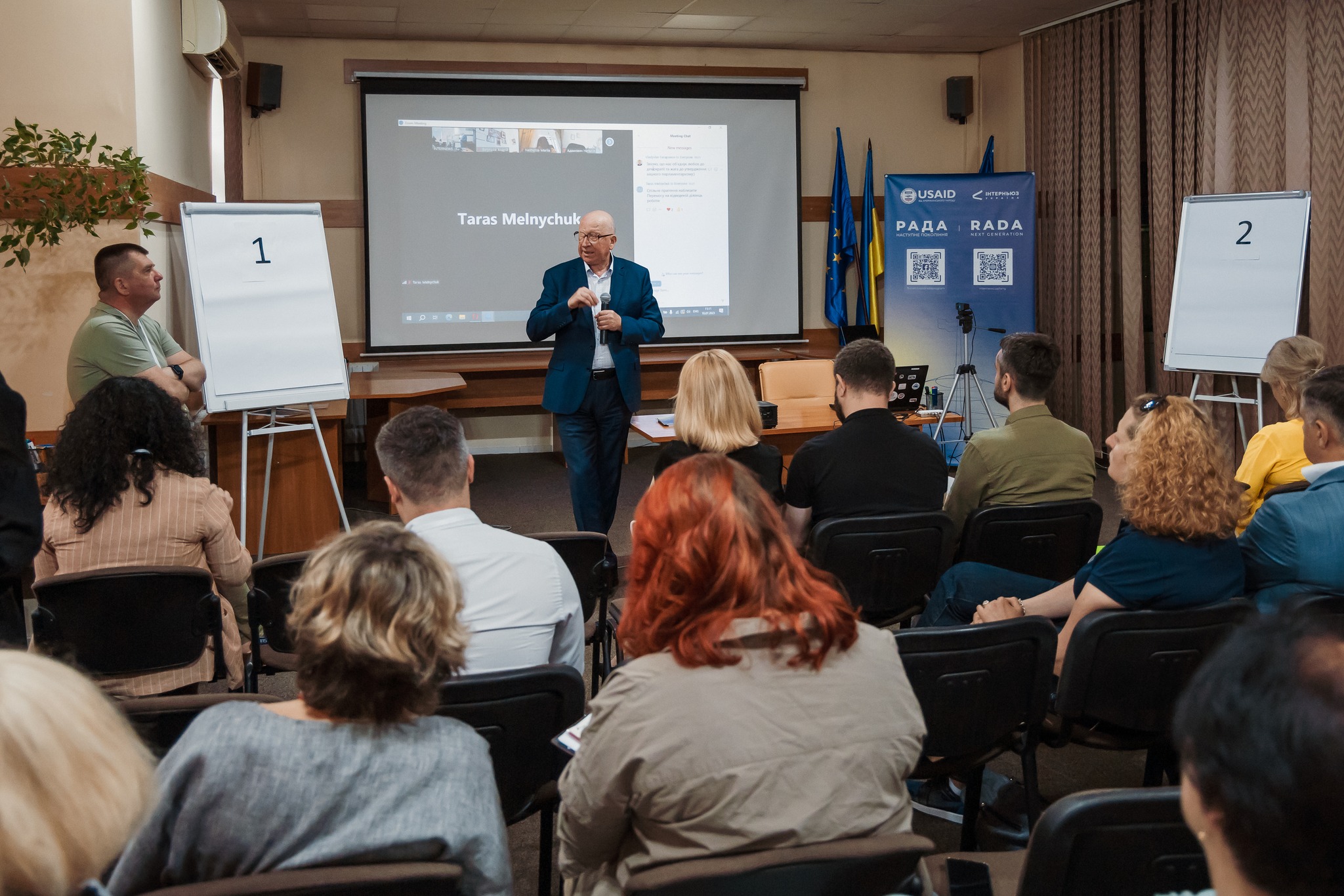
In October, the USAID RADA: Next Generation Program and the EU-funded Association4U project held two two-day training sessions. Despite russian attacks and frequent air raid sirens, as many as 77 employees from committee secretariats and the Research Service of the Verkhovna Rada of Ukraine (VRU) took part.
 Ms. Slobodnichenko said that the workshops drew such high interest because their topic was so important and urgent. Ukrainians believe that EU membership will help Ukraine get rid of russian influence forever and ensure a prosperous and peaceful future for the country. According to the latest public opinion polls, almost 80% of citizens want Ukraine to join the European family.
Ms. Slobodnichenko explained that "the war has accelerated European integration processes in Ukraine's Parliament and made it clear that it is necessary to move quickly, and that there are no alternatives. However, not all committee employees know exactly what needs to be done. The workshops provided this vision. They were very well structured, giving solid basic knowledge and best practices. That's why everyone liked it."
The workshop’s expert presenters spent the first day of the workshop discussing EU legal theory. The second day was devoted to the issues of Ukraine's European integration and the approximation of Ukrainian legislation to the EU acquis. During the workshops, experts explained the steps that lay ahead on Ukraine's EU accession path, explained how to conduct EU law compliance assessments of (draft) domestic legislation, shared useful legal approximation tools, and answered all the participants' questions.
Cezar Herma, the key expert on EU legal approximation and EU acquis translation, who led the workshops, views consistent and high-quality approximation with EU acquis as the primary driver of Ukraine’s European integration. According to him, "as a candidate for EU membership, Ukraine has to adjust its legislation to the entire EU acquis. As part of the EU accession process, almost all areas of Ukrainian legislation will be, to a greater or lesser extent, subject to approximation to EU law. This means the VRU will deal more frequently and intensively with EU legal acts. This therefore requires strengthening the VRU’s institutional and expert capacity."
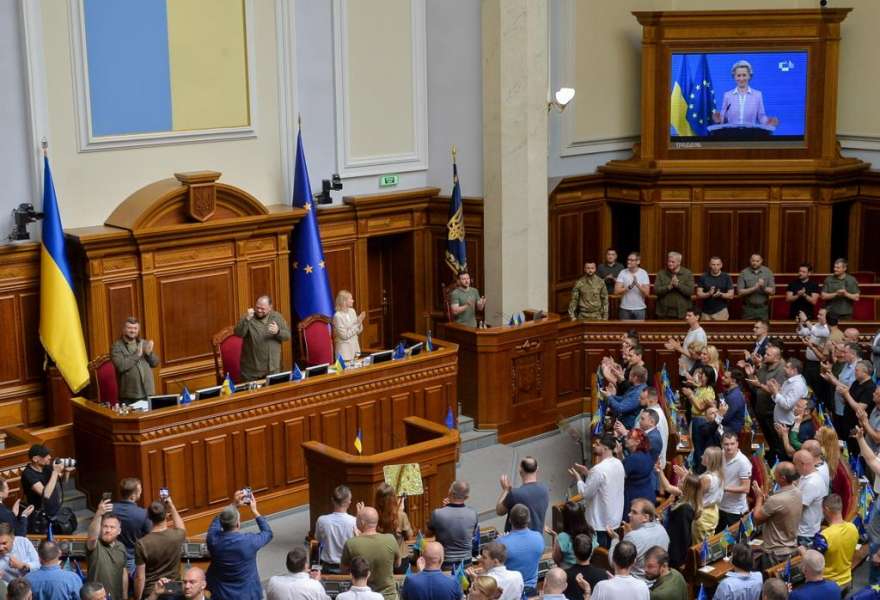 Mykhailo Tepliuk, Deputy Head of the VRU Secretariat, opened the workshops by reminding participants that the VRU established European integration sub-committees within every Parliament committee last July. However, the VRU Secretariat did not hold competitions for new positions, did not increase staff after establishing those subcommittees, and entrusted the staff duties of those subcommittees to ordinary employees of Committee Secretariats. This led to the urgent need to provide these staff with specialized knowledge of European integration and the EU acquis in order to perform their new duties successfully.
"I am a lawyer by profession, but the trainings helped me structure my knowledge to better understand what EU legislation consists of and which information gaps I personally needed to fill in. I am used to doing my job well. So when we felt the need to expand our knowledge of European integration, we asked the USAID RADA: Next Generation Program to conduct these workshops," said training participant Yaroslava Vashchenko, who serves as the deputy head of the secretariat of the VRU’s Committee on Humanitarian and Information Policy.
She added that European integration had become a priority for Ukraine's parliament, and all staff were paying more attention to this topic. Vashchenko further explained that the workshops provided staff with necessary practical skills, particularly for the drafting of legislations. During the workshops, the expert presenters focused on compliance tables of Ukrainian laws with the EU legislation which the committees needed to prepare. "The training was important, but now we need to implement its results," Ms. Slobodnichenko concluded.
Mr. Tepliuk noted that the trainings marked "a good beginning of this process, because legislation adaptation is a task not for a single day." He believes they "will be able jointly to fulfill this crucial historical task that the current generation of Ukrainians is facing."
Ms. Slobodnichenko and Ms. Vashchenko are confident they can handle this task. They are ready to give their full efforts, participate in further USAID RADA: Next Generation Program initiatives, and do everything they can to ensure that Ukraine becomes an EU member in the near future.